

Preparing multi-course meals during holiday gatherings or navigating a complete kitchen renovation quickly exposes the limits of standard stovetop space. Adding a dedicated countertop burner provides the flexibility required to simmer sauces, boil pasta water, or sear proteins without crowding your primary workspace. Exploring the Best Stainless Steel Hot Plates in September 2026 gives home cooks, college students, and mobile catering operations the dependable thermal output they require.
Modern portable cooking appliances have evolved far beyond the flimsy coil burners of past decades. Today shoppers can select from robust solid cast iron plates, rapid induction units, and heavy gauge brushed metal enclosures built for demanding environments. Discovering how to optimize your setup with modern home and living appliances ensures you invest in equipment that delivers steady heat distribution rather than frustrating hot spots.
We analyzed 7 standout models representing major manufacturers like Cuisinart, OLIKIUS, CUSIMAX and more to help you make an informed purchase. This comprehensive guide breaks down essential heating technologies, wattage requirements, thermal stability metrics, and physical safety standards. Whether you need a lightweight burner for camping excursions or a commercial certified workhorse for daily meal prep, our analysis highlights the finest options available.



Heating Element Technology
The core mechanism that generates thermal energy defines your overall cooking experience, speed, and compatible cookware selection. Solid cast iron hot plates feature a concealed heating element embedded within a dense metal disk. These units retain residual heat exceptionally well and provide a flat, stable surface that accommodates any pot or pan material.
Induction hot plates operate on electromagnetic fields that excite the ferrous molecules directly inside the base of your cookware. This direct energy transfer yields energy efficiency ratings exceeding eighty percent while keeping the surrounding glass surface relatively cool. The main trade-off remains pan compatibility, as induction exclusively powers magnetic stainless steel or cast iron cookware.
Exposed tubular heating coils represent a traditional, cost-conscious approach that heats rapidly upon activation. While open coils deliver immediate response, they can develop uneven contact with warped pans and require careful cleaning beneath the burner ring. Selecting between solid plates, induction glass, or exposed coils determines your culinary versatility and maintenance routine.
For versatile home cooking across ceramic, glass, and aluminum vessels, solid cast iron remains the most forgiving choice. If rapid boiling speed, exact temperature increments, and safety are paramount, commercial induction technology stands as the superior modern upgrade.
Wattage and Thermal Output
Electric hot plate performance is fundamentally dictated by its wattage rating, which determines maximum heat output and recovery times. Portable units operating on standard 120-volt household circuits typically range from 1000 watts up to the standard 1800-watt residential threshold. A 1000-watt burner functions adequately for gentle simmering, reheating soups, or melting delicate sauces.
High-powered 1500-watt to 1800-watt burners provide the energetic punch required for searing steaks, stir-frying vegetables, and boiling large pots of water quickly. Units with higher wattage recover their set temperatures faster when cold ingredients are dropped into a hot skillet. Understanding how electrical loads interface with your home wiring helps prevent tripped circuit breakers in your culinary zone.
When assessing wattage, consider whether you are purchasing a single or double burner configuration. Double burner models often split 1700 or 1800 total watts between two plates, allocating roughly 1000 watts to the primary plate and 700 watts to the auxiliary plate. This arrangement supports simultaneous boiling and warming but prevents maximum power on both burners at once.
Reviewing our insights on kitchen heating and cooling dynamics clarifies how high-draw countertop appliances impact ambient cooking environments. Match your wattage needs directly to your intended batch sizes and cooking styles.
Housing Material and Metal Gauge Durability
The exterior housing of a portable cooktop serves as its structural foundation, shield against grease, and primary thermal barrier. Premium stainless steel construction offers exceptional resistance against high cooking temperatures, corrosive acidic spills, and mechanical impacts. Low-grade plastic housings often degrade, crack, or release unpleasant fumes when exposed to prolonged heat cycles.
Brushed stainless steel finishes conceal minor surface scratches and resist cosmetic staining from oil splatters and bubbling sauces. Inspect the structural rigidity of the metal housing to ensure it supports the substantial weight of cast iron Dutch ovens without flexing. A reinforced metal chassis prevents the inner electrical components from shifting during transport.
Pay close attention to seamless enclosure designs that prevent spilled liquids from seeping into internal electronic boards. Fully wrapped metal edges provide smooth handling surfaces and eliminate sharp corners that can snag dishcloths during sanitization. Heavy gauge metal adds crucial ballast that keeps the appliance firmly rooted on slippery countertops.
Investing in commercial-grade stainless steel housings ensures your burner withstands demanding workshop, catering, or camping environments without structural failure.
Temperature Regulation and Thermostat Precision
Consistent cooking outcomes depend heavily upon how precisely a burner manages and maintains its thermal output over time. Traditional mechanical thermostats utilize bimetallic strips that cycle the heating element on and off to regulate average temperatures. While functional, basic rotary dials can produce slight temperature fluctuations as the internal switch cycles through its threshold.
Advanced digital induction burners utilize microprocessor controls paired with internal temperature probes beneath the cooking surface. These systems allow users to select exact degree settings ranging from 120 degrees up to 460 degrees Fahrenheit. Digital power step levels provide granular control over energy delivery, which prevents delicate chocolate or creamy sauces from scorching.
Look for burners featuring dedicated indicator lights that clearly signal whether the unit is actively drawing power or simply maintaining temperature. Continuous-duty circuitry ensures consistent power delivery during extended multi-hour braises without premature thermal throttling. Clear tactile dials or sealed push buttons ensure smooth adjustments when cooking with wet hands.
A reliable thermal management system prevents wild temperature swings, ensuring your skillet maintains the precise heat necessary for perfect caramelization.
Cookware Compatibility and Heating Plate Diameter
Matching your favorite kitchen cookware to the physical dimensions of the heating surface is essential for even heat distribution. Standard hot plate elements typically feature diameters between 5.75 inches and 8 inches across. Placing an oversized twelve-inch skillet on a compact five-inch burner creates a hot center surrounded by cool outer zones.
Cast iron and solid tube burners support virtually every flat-bottomed vessel, including copper, aluminum, tempered glass, and ceramic stoneware. This broad compatibility eliminates the requirement to purchase specialized cooking gear for temporary kitchen setups. Solid cast iron plates also provide a continuous flat foundation that minimizes the risk of smaller pots tipping over.
Induction surfaces demand flat magnetic bases such as enameled cast iron or tri-ply magnetic stainless steel. You can test your current pots by checking whether a standard refrigerator magnet firmly grips the bottom exterior. Expanded eight-inch magnetic coils distribute electromagnetic energy widely across large saute pans for uniform browning.
Always verify that your cookware base sits completely flat against the heating zone to maximize direct conductive energy transfer and minimize energy loss.
| Feature Spec | Solid Cast Iron Burner | Commercial Induction Unit | Exposed Coil Hot Plate |
|---|---|---|---|
| Typical Wattage | 1000W – 1500W | 1800W | 1000W – 1700W |
| Cookware Support | Universal (All Flat Pans) | Magnetic Ferrous Only | Universal (All Flat Pans) |
| Energy Efficiency | Moderate (~65-70%) | High (~83%) | Moderate (~65%) |
| Surface Cleaning | Wipe Solid Disk | Smooth Full-Glass Wipe | Removable Drip Pan Scrub |
| Heat Retention | High Residual Heat | Low Residual Heat | Minimal Residual Heat |
Safety Certifications and Overheat Protections
High-wattage tabletop cooking devices require rigorous safety protections to prevent electrical hazards and accidental burns. Look for independent safety certifications such as ETL, UL, or NSF marks when evaluating the Best Stainless Steel Hot Plates. These credentials confirm the unit has passed rigorous electrical insulation, structural stability, and drop impact testing.
Modern hot plates incorporate automatic thermal shutoff fuses that immediately disconnect power if internal sensors detect abnormal overheating. Induction models offer intelligent small object detection, preventing the burner from activating if a stray fork or spoon rests on the glass. Auto-pan detection automatically stops energy flow within seconds after removing your skillet.
Because the metal housing naturally absorbs conducted heat during operation, insulated side carrying handles provide a safe grip during repositioning. High-traction rubberized feet prevent the burner from sliding across slick granite or stainless prep tables during vigorous stirring. Browsing our curated all product reviews catalog provides helpful context on appliance safety features across multiple categories.
Prioritizing verified electrical safety protocols safeguards your home, dorm room, or catering workspace against unexpected electrical faults.
Portability, Weight, and Balance
Portability represents a primary selling point for countertop burners, making total weight and chassis balance important considerations. Single-burner cast iron and coil units generally weigh between four and seven pounds, making them easy to pack into storage bins or RV cabinets. Double-burner platforms require wider counter space and weigh considerably more due to dual heating elements.
A low-profile height profile keeps the center of gravity low, reducing the hazard of heavy soup stockpots tipping over during boiling. Integrated stay-cool side handles allow mobile caterers and buffet staff to transport warm units safely without wearing bulky oven mitts. Compact exterior dimensions ensure the appliance stores neatly inside standard kitchen cabinets between uses.
When selecting a unit for travel, verify that the power cord provides sufficient length to reach outlets without requiring ungrounded extension cords. High-quality heavy gauge grounded cords prevent overheating at the wall receptacle during prolonged high-wattage cooking sessions. Well-distributed internal components keep the burner flat and steady under asymmetric pan weights.
Balancing physical portability with structural heft ensures your burner remains stable during vigorous cooking without becoming an awkward burden to transport.
Cleaning Convenience and Spill Protection
Countertop cooking inevitably generates grease splatters, boilovers, and sticky condensation that require prompt cleanup. Smooth stainless steel bodies allow cooks to wipe away dried sauce spots quickly using a damp microfiber cloth. Seamless construction without exposed screws or crevices prevents grease accumulation along the outer housing seams.
Cast iron solid disks eliminate open burner wells, meaning accidental boilovers remain trapped on the upper deck rather than dripping onto electrical wiring. Once the plate cools down completely, wiping the non-electrical cast surface with a sponge restores its clean appearance. Applying an occasional drop of mineral oil prevents solid cast iron plates from developing surface oxidation.
Induction cooktops present the simplest sanitization profile because the glass surface does not reach searing temperatures that bake spilled food onto the deck. Spilled liquids wipe away effortlessly with standard glass cleaner without requiring abrasive scouring pads. Fully sealed control panels prevent moisture infiltration when wiping across digital buttons.
Selecting an easy-to-clean configuration saves significant time after meal service and keeps your appliance looking pristine for years of reliable use.
Duty Cycle and Commercial Longevity
Occasional weekend entertaining places vastly different demands on a burner compared to continuous eight-hour catering shifts. Residential hot plates are designed for intermittent cooking cycles, allowing thermal safety sensors to cool down periodically between batches. Pushing entry-level units through non-stop boiling marathons can cause internal bimetallic thermostats to fatigue prematurely.
Commercial-grade burners feature continuous-duty circuitry, dual power modules, and internal low-noise cooling fans that actively dissipate heat away from electronics. Heavy-duty units with commercial NSF certifications are engineered to withstand continuous culinary operations, food truck demands, and heavy stockpot weights. These robust models incorporate shatter-resistant ceramic glass and reinforced stainless housings.
Assessing expected operating hours helps you decide whether an economical residential burner or a commercial-grade platform represents the smarter long-term investment. Built-in digital timers that extend up to ten or twelve hours allow worry-free unattended simmering of broths and stews. Commercial builds deliver dependable thermal stamina under high-demand kitchen stress.
Selecting a cooktop built with high duty-cycle components ensures continuous cooking capacity whenever your kitchen workflow demands unwavering reliability.
Why You Should Trust Us
Our kitchen appliance evaluation framework relies on meticulous data analysis, verified manufacturer specifications, and structural engineering assessments. We systematically cross-examine key technical attributes across 7 leading countertop burners, focusing on energy transfer efficiency, thermal recovery rates, and electrical safety standards. We examine real-world performance metrics across price tiers to deliver objective, unbiased recommendations.
Rather than relying on marketing claims, our editorial team evaluates independent lab certifications, material thicknesses, and safety compliance records. We scrutinize component quality, including the durability of solid cast iron disks, copper induction windings, and stainless steel chassis gauges. This rigorous method ensures our buying advice highlights products engineered for durability and reliable thermal output.
Our product rankings and guides are continually refreshed to reflect new engineering releases, certified safety updates, and manufacturing refinements throughout 2026. We maintain editorial independence to provide transparent guidance that empowers home cooks and culinary professionals alike to choose the ideal equipment for their specific cooking environments.
Final Thoughts
Selecting the optimal countertop burner transforms your culinary flexibility, whether you are hosting holiday dinners, renovating your primary kitchen, or catering offsite events. Evaluating element efficiency, structural stability, and control precision leads to dependable outcomes across every cooking style. Our analysis of the Best Stainless Steel Hot Plates highlights standout performers tailored to diverse culinary demands and budgets.
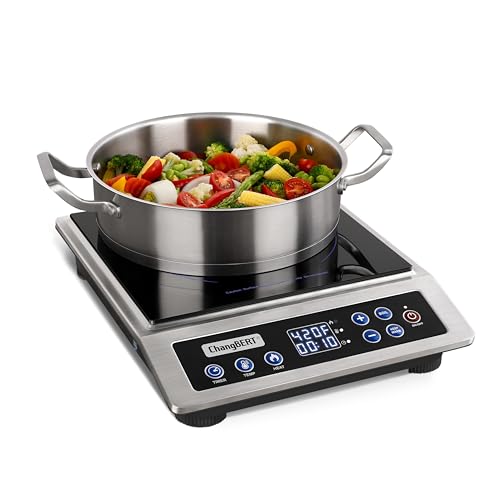
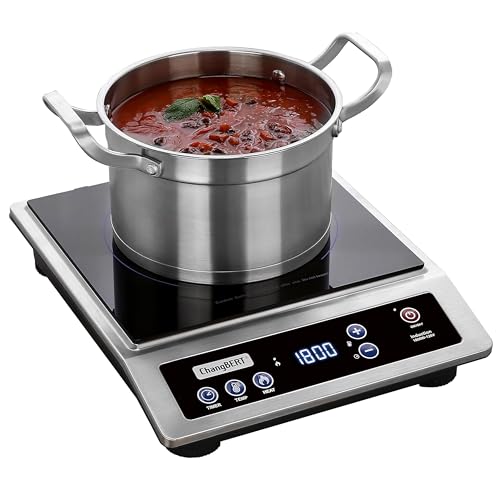
For demanding users seeking unmatched thermal speed, commercial durability, and digital precision, the ChangBERT Portable Induction Cooktop Enhanced represents our top overall recommendation. Its 1800-watt output, expanded eight-inch coil, NSF certification, and dedicated one-click power controls deliver commercial-grade performance in a sleek stainless chassis. It excels at high-heat searing and delicate simmering alike while maintaining an easy-to-clean glass surface.
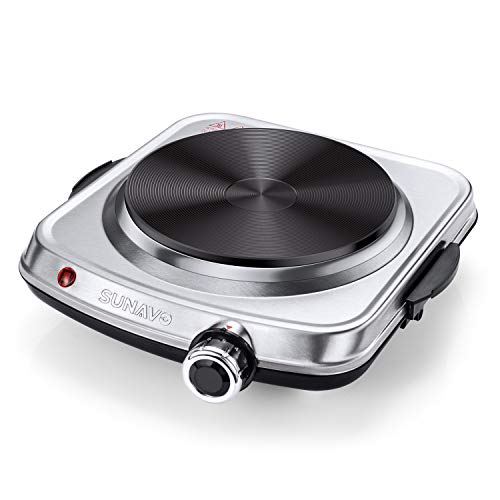
Shoppers seeking dependable heating for everyday meals on an accessible budget will appreciate the OVENTE Electric Cast Iron Single Burner. This compact 1000-watt burner utilizes a solid cast iron plate that provides consistent heat across any cookware material, housed within a resilient stainless steel frame. If you require higher wattage in a traditional solid burner format, the Cuisinart CB-30P1 Cast-Iron Single Burner offers 1300 watts of robust heating with a heavy-duty coil-less cooking deck.
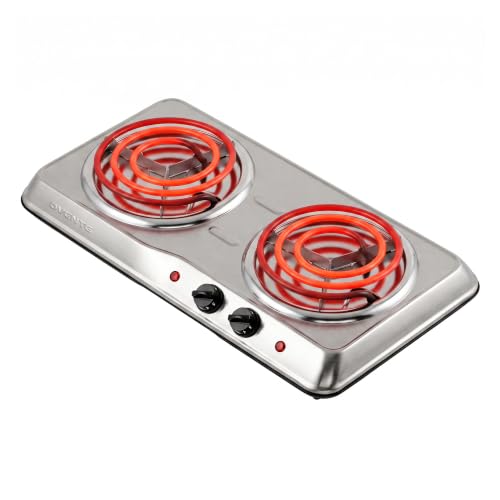
If you regularly prepare multi-pot meals or need dual cooking zones for buffet entertaining, the OVENTE Electric Double Burner delivers dual hot plates backed by 1700 watts of combined power. Setting up your countertop cooking station alongside comfortable kitchen furniture and counter setups creates an efficient culinary environment. Choose the model that matches your cookware collection, power availability, and daily culinary ambitions.
FAQs
How do cast iron and induction models differ in Best Stainless Steel Hot Plates?
Cast iron hot plates utilize an internal electric heating element that warms a solid metal disk, transferring heat conductively to any flat-bottomed pan. Induction hot plates use electromagnetic coils to generate heat directly within magnetic cookware, resulting in faster heating speeds, higher energy efficiency, and a cooler cooktop surface. Cast iron provides universal cookware compatibility, whereas induction requires iron or magnetic stainless steel pans.
Can you use any regular cookware on Best Stainless Steel Hot Plates?
Solid cast iron and exposed coil burners are universally compatible with all flat-bottomed pots and pans, including aluminum, glass, copper, ceramic, and stainless steel. Induction-based hot plates require magnetic cookware, meaning standard aluminum, copper, or pure glass vessels will not trigger the electromagnetic field. Always verify your pan material to ensure compatibility with your selected hot plate technology.
What wattage is ideal when shopping for Best Stainless Steel Hot Plates of 2026?
For versatile boiling, sauteing, and frying, a burner rated between 1300 and 1800 watts provides the rapid heat recovery needed for active cooking. Units rated at 1000 watts are suitable for simmering sauces, gentle reheating, keeping buffet dishes warm, and preparing smaller meals in compact spaces. Double burners typically split 1700 to 1800 watts across two plates for balanced simultaneous cooking.
Why does the stainless steel body of an electric hot plate get hot during use?
Stainless steel is an effective metal conductor that absorbs ambient thermal energy generated by the heating element and the hot cookware resting above it. This thermal conduction is a completely normal physical property of compact electric burners during prolonged operation. Users should utilize insulated carrying handles and avoid touching the outer metal housing until the unit has fully cooled.
How do you clean baked on grease from a stainless steel hot plate?
Allow the hot plate to unplug and cool completely before wiping the stainless steel housing with a damp microfiber cloth and mild dish soap. For stubborn grease splatters, apply a non-abrasive stainless steel cleaner or a paste of baking soda and warm water, rubbing gently along the metal grain. Never immerse the electrical housing in water or use steel wool scouring pads that scratch the finish.
Is an induction hot plate more energy efficient than an electric coil burner?
Induction hot plates achieve energy efficiency ratings around 83 percent because electromagnetic energy heats the pan base directly without heating the surrounding air. Traditional electric coil and cast iron burners deliver roughly 65 to 70 percent efficiency due to ambient radiant heat loss into the room. This direct energy transfer translates to shorter boiling times and reduced electricity consumption per meal.
Can Best Stainless Steel Hot Plates boil large stockpots of water quickly?
High-powered 1500-watt to 1800-watt burners can easily bring moderate to large stockpots of water to a rolling boil for pasta or canning tasks. Lower 1000-watt models will eventually boil medium pots, though the process takes noticeably longer due to lower continuous thermal output. Covering your pot with a tight-fitting lid significantly accelerates boiling times on any portable burner.
What safety certifications should you look for on commercial hot plates?
Look for recognized testing marks such as ETL, UL (Underwriters Laboratories), or NSF (National Sanitation Foundation) certifications on the product rating plate. These certifications confirm that the appliance meets strict North American electrical safety standards and sanitation criteria for commercial food preparation environments. Certified units feature reinforced wiring insulation, grounded plugs, and verified thermal shutoff protections.
Are portable hot plates safe to use in recreational vehicles and dorms?
Portable hot plates are widely used in dormitories, tiny homes, and mobile campers when operated according to manufacturer safety guidelines and local electrical codes. Check that your power outlet and circuit breaker can handle a 10 to 15-amp draw without overloading other appliances. Learning about compact vehicle and RV power setups ensures your electrical system accommodates high-wattage heating safely.
What causes the initial smoke or odor during the first use of a hot plate?
New hot plates often emit a slight odor or faint vapor during their initial operating cycle as protective factory coatings burn off the heating element. Manufacturers recommend running the burner on high heat for five to ten minutes in a well-ventilated room prior to cooking food on it. Once this protective manufacturing layer dissipates, the unit operates cleanly without producing lingering odors.








