

Proper trail footwear transforms a challenging outdoor trek into an energizing journey. Female hikers frequently encounter footwear designed for unisex lasts that slip at the heel or pinch the forefoot. Footwear engineered specifically for women provides targeted arch support and a secure heel cup to prevent trail fatigue.
For September 2026, our guide compares 10 models from trusted outdoor leaders such as NORTIV 8, Columbia, Merrell and more. Modern trail designs combine athletic shoe flexibility with the aggressive grip needed for rocky ascents and slick descents. Explore our All Reviews hub to browse other gear evaluations.
Whether planning casual nature walks or demanding all-day mountain scrambles, choosing the right footwear requires balancing weight, traction, and weather protection. This comprehensive guide highlights the essential features to help you select footwear tailored to your hiking style.

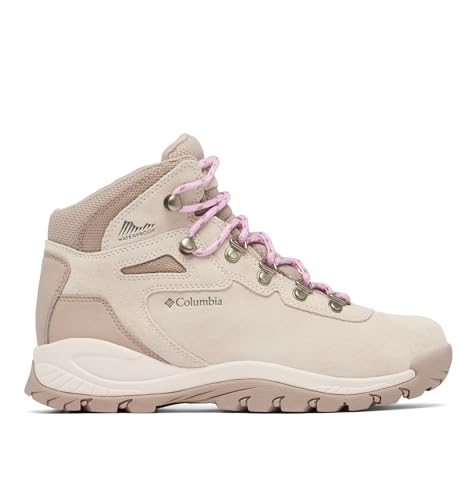
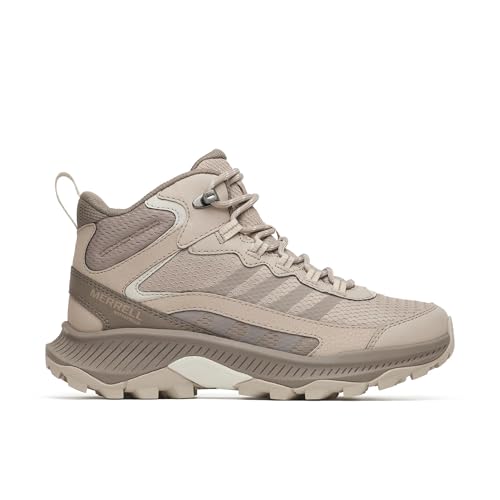
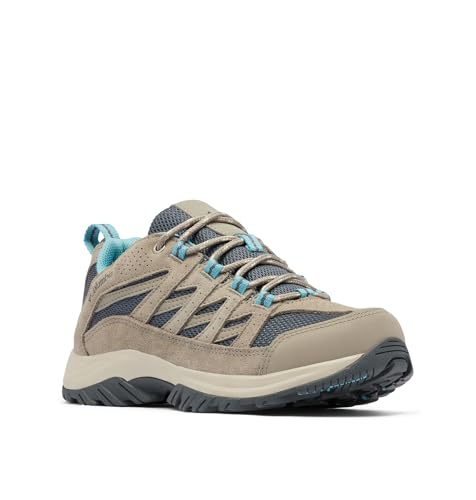


How to Choose the Best Women’s Day Hiking Shoes in 2026
Evaluating hiking footwear requires understanding how specific materials and construction methods perform under varied trail conditions. Reviewing these key criteria ensures you invest in footwear that keeps your feet comfortable mile after mile.
Outsole Traction and Lug Depth
The outsole serves as your direct contact point with changing trail surfaces. Deep, multidirectional lugs bite into loose dirt, mud, and slick gravel to prevent slipping on steep inclines. Shallow tread designs work adequately on hard-packed paths but quickly lose traction on technical terrain.
Rubber compound density also dictates how well a shoe grips smooth granite or wet timber. Softer sticky rubber compounds provide superior friction across wet boulders, while harder rubber formulations resist abrasive wear. Day hikers should look for lug depths between 3mm and 5mm for balanced three-season performance.
A practical rule of thumb is selecting widely spaced lugs if you frequently hike muddy trails. Wide spacing allows packed mud to shed naturally as the sole flexes during each stride. Shoes with perimeter braking lugs offer additional control when negotiating steep downhill paths.
Waterproof Membrane Versus Breathable Mesh
Moisture management directly affects foot comfort and blister prevention on the trail. Waterproof membranes like OutDry, Omni-Tech, and KEEN.DRY seal out rain, puddles, and morning dew. Seam-sealed construction prevents moisture from seeping through delicate stitching lines.
Waterproof linings retain more internal heat than unlined breathable mesh uppers. Hikers exploring warm climates or arid desert trails often prefer highly ventilated mesh shoes that shed heat quickly. Non-waterproof shoes also drain and dry significantly faster if submerged during stream crossings.
Assess your primary hiking environment before committing to full waterproof construction. If your routes include frequent rain, wet grass, or muddy terrain, a waterproof membrane is well worth the slight reduction in breathability. For high-heat summer day hikes, lightweight mesh uppers keep feet cooler and noticeably drier.
Midsole Cushioning and Energy Return
The midsole absorbs repetitive impact forces generated with every step across rocky trails. High-rebound EVA foam and proprietary polyurethane compounds cushion the foot while delivering springy energy return. Quality midsole cushioning reduces fatigue across your ankles, knees, and lower back during long hikes.
Compression resistance determines how many trail miles a shoe can endure before the cushioning flattens out. Standard lightweight EVA foam offers plush initial comfort but can compress permanently over time. Advanced proprietary foams like TechLite and KEEN.ReGEN retain their responsive bounce across hundreds of trail miles.
Hikers carrying a daypack with water and supplies benefit from dual-density midsoles. Firmer foam along the medial post prevents excessive inward foot rolling under pack weight. Plush heel pods absorb downward shock while firmer forefoot sections provide a stable platform for toe-off.
Upper Materials and Trail Durability
Upper materials protect foot bones and soft tissue from abrasive debris, rocks, and briars. Suede leather, split-grain leather, and high-tenacity ripstop fabrics each offer distinct advantages in durability and flexibility. Leather uppers provide exceptional scuff resistance, while synthetic ripstop materials reduce overall shoe weight.
Look for protective overlays along high-wear zones such as the lateral edges and heel counters. Heat-welded TPU films and reinforced stitching prevent fabric tears when brushing against sharp roots or trailside boulders. Protective synthetic or rubber toe caps shield your toes from direct impacts.
For rocky alpine terrain, prioritize footwear featuring suede leather panels and robust toe bumpers. For well-groomed park paths, lightweight synthetic uppers offer ample protection without unnecessary stiffness. Matching upper durability to trail roughness extends the operational lifespan of your footwear.
Collar Height and Ankle Freedom
Choosing between low-cut hiking shoes and mid-cut ankle boots depends on trail difficulty and personal preference. Low-cut shoes offer total ankle mobility, promoting natural foot articulation and agility on smooth paths. Mid-cut boots wrap around the ankle joint to offer lateral support and keep trail grit out.
Women carrying heavier daypacks often appreciate the added reassurance of mid-cut padded collars. The padded collar hugs the Achilles tendon and distributes lace tension evenly across the upper ankle. Mid-cut designs add slight weight but reduce joint strain when navigating loose scree or off-camber paths.
Hikers sticking to maintained dirt paths usually prefer the nimbleness and breathability of low-cut models. Hikers exploring off-trail routes or wet environments benefit from the added barrier height of mid-cut boots. Select the collar height that aligns with the ruggedness of your intended hikes.
Female-Specific Last and Toe Box Width
Women generally have a narrower heel relative to their forefoot width compared to standard male foot dimensions. Hiking shoes built on women-specific lasts incorporate narrower heel cups to prevent slipping and painful blister friction. Unisex sizing often allows heel lift, compromising stability on uneven ascents.
A spacious toe box allows your toes to splay naturally under body weight during descents. When hiking downhill, gravity pushes the foot forward, which can cause toe jamming in narrow shoes. Generous forefoot room also accommodates natural foot swelling that occurs after hours of continuous walking.
Ensure you have roughly a thumb-width of space between your longest toe and the front of the shoe. Try on footwear in the late afternoon wearing your favorite hiking socks for the most accurate fit assessment. For additional advice on ergonomic lifestyle choices, visit our guide on Furniture & Comfort.
Arch Support and Torsional Rigidity
Proper underfoot arch support prevents plantar fascia fatigue and maintains healthy walking mechanics. Integrated internal nylon or composite shanks stiffen the midfoot area, preventing the shoe from twisting excessively over obstacles. Torsional rigidity protects foot muscles from overworking on rocky trails.
Removable contoured footbeds allow hikers to insert personalized orthotics if additional arch height is required. Sculpted EVA insoles cushion the heel while supporting the natural arch structure. Rigid internal shanks also shield your soles from painful stone bruising on sharp gravel paths.
You can test torsional stability by holding the shoe at the heel and toe, then twisting gently. Quality hiking shoes resist twisting along the midfoot while flexing smoothly at the ball of the foot. This balance delivers both walking comfort and rock-solid trail security.
Footwear Weight and Trail Efficiency
Footwear weight significantly influences energy consumption over the course of a day hike. Heavy boots demand extra muscle effort with every single step, accelerating leg fatigue over long distances. Modern materials deliver dependable trail protection without the bulk of old-fashioned work boots.
A single shoe weighing under 14 ounces feels light and agile on fast-paced day hikes. Slightly heavier footwear over 15 ounces incorporates sturdier leather, thicker midsoles, and heavier rubber outsoles for demanding trails. Hikers should aim for the lightest shoe that still provides adequate support.
For short park walks and well-graded trails, prioritize lightweight synthetic construction. For technical alpine hikes with rocky paths, slightly heavier models provide essential durability and structural stability. Balancing weight with protection ensures comfortable miles without compromising foot safety.
Lacing Hardware and Gusseted Tongues
An effective lacing system secures the foot firmly inside the shoe to prevent internal movement. Webbing eyelets distribute tension smoothly across the top of the foot without creating localized pressure points. Metal hardware hooks on mid-cut models allow quick tension adjustments between climbs and descents.
Gusseted tongues are sewn directly to the upper along the sides of the lacing eyelets. This construction blocks sand, small pebbles, and water droplets from entering the shoe interior. A well-padded tongue also prevents lace bite across sensitive tendons on the top of the foot.
Locking eyelets at the ankle allow you to tighten the lower foot zone while keeping the collar slightly relaxed. This heel-lock lacing technique prevents heel slippage during steep uphill sections. Proper lace tension adjustments ensure a secure fit throughout changing trail gradients.
Hiking Footwear Feature Comparison
| Footwear Category | Typical Weight per Shoe | Best Trail Conditions | Key Advantages |
|---|---|---|---|
| Low-Cut Mesh Hiker | 11 – 13 oz | Dry trails, warm weather, park paths | Maximum airflow, agile feel, rapid drying |
| Low-Cut Waterproof Hiker | 13 – 15 oz | Muddy paths, shallow stream beds, rain | Weather protection, all-season grip, compact build |
| Mid-Cut Waterproof Boot | 14 – 17 oz | Rocky terrain, loose scree, off-trail | Ankle support, debris protection, maximum stability |
Why You Should Trust Us
Our editorial team analyzes technical outdoor footwear specifications with complete independence and transparency. We evaluate materials, outsole rubber compositions, midsole foams, and female-specific lasts across every major brand. Our data-driven evaluations focus strictly on build quality, ergonomic support, and long-term trail durability.
We examine verified performance data, sizing patterns, and weatherproofing reliability to shortlist top options. By comparing technical specifications against industry benchmarks, we identify which features provide genuine value for everyday trail walkers. Check out our Health & Family section for more wellness and active lifestyle guides.
Our product evaluations stay up to date using dynamic catalog tools, reflecting current brand offerings and seasonal updates. We maintain no sponsored product placements, ensuring our recommendations remain objective, practical, and focused entirely on hiker comfort.
Final Thoughts
Selecting the ideal trail footwear comes down to matching shoe features with your typical trail terrain and local climate. For a premium balance of waterproof performance and agile trail speed, the Columbia Women’s Peakfreak II Outdry delivers exceptional lockdown and sticky Adapt Trax grip. Its seamless mesh construction ensures responsive movement without sacrificing wet-weather defense.
Hikers seeking dependable weather protection on an accessible budget will appreciate the NORTIV 8 Women’s Waterproof Hiking Boots. This model combines suede leather durability, slip-resistant outsoles, and dependable ankle padding for comfortable weekend trail walks. For warm-weather trails where ventilation matters most, the Columbia Womens Crestwood Hiking Shoe offers breathable suede mesh construction and responsive TechLite cushioning.
If you tackle rugged terrain requiring high-rebound energy return and a roomy toe box, the KEEN Women’s Targhee Apex Durable Lightweight stands out for all-day comfort. Meanwhile, hikers wanting time-tested Vibram traction and proven shock absorption can rely on the Merrell Women’s Moab 3 Wp Hiking Shoe. Explore our comprehensive gear evaluations in Home & Living for additional lifestyle solutions.
Frequently Asked Questions
What makes the Best Women’s Day Hiking Shoes different from men’s hiking shoes in 2026?
Women’s hiking shoes are built on female-specific lasts that feature narrower heels and proportionally wider forefoot areas. They also incorporate lighter midsole foam densities calibrated for lower average body mass to provide optimal shock absorption.
Should day hiking shoes be waterproof or breathable for three-season hiking?
Waterproof shoes are ideal for wet, muddy, or cold conditions where blocking external moisture is essential. Breathable non-waterproof mesh shoes are superior for hot, dry climates because they vent sweat quickly and dry faster if submerged.
How should women’s hiking shoes fit to prevent blisters and bruised toenails?
Hiking shoes should fit snugly around the heel and midfoot while leaving about a thumb-width of space in front of the longest toe. This extra room allows toes to splay naturally and prevents them from jamming against the front bumper on steep descents.
What is the difference between low-cut hiking shoes and mid-cut hiking boots?
Low-cut hiking shoes prioritize lightweight agility, ankle mobility, and breathability for maintained day trails. Mid-cut boots extend above the ankle joint to offer lateral support, debris protection, and extra stability when carrying a pack over uneven ground.
How many miles do women’s day hiking shoes typically last?
Most quality day hiking shoes last between 400 and 600 miles depending on trail roughness, pack weight, and maintenance. Replace your footwear when the outsole lugs wear smooth or the midsole foam loses its cushioning resilience.
Can regular running shoes be used for day hiking instead of hiking shoes?
Road running shoes lack the durable rubber lugs, torsional stability, and protective toe caps needed for rugged terrain. Dedicated hiking shoes provide reinforced upper materials and sticky traction compounds engineered specifically for dirt, rocks, and mud.
How do I break in new day hiking shoes before a long trek?
Modern synthetic hiking shoes require minimal break-in, but wearing them on short neighborhood walks before heading to the trail is recommended. This allows the footbed to mold to your sole and helps you verify your lacing tension with hiking socks.
What type of socks work best with day hiking footwear?
Merino wool or synthetic blend socks with targeted cushioning at the heel and ball of the foot perform best. Avoid cotton socks because they absorb sweat, stay damp, and significantly increase the risk of friction blisters on the trail.
How do I clean and maintain waterproof hiking shoes after muddy trails?
Remove loose dirt with a soft brush and lukewarm water, avoiding harsh detergents that can degrade waterproof coatings. Air-dry your shoes at room temperature away from direct heat sources like radiators or campfires to prevent leather cracking.
Which outsole tread pattern provides the best grip on wet rocks?
Outsoles with sticky rubber compounds and multidirectional siping provide the highest surface friction on slick wet rock. Broad contact patches with textured rubber disperse surface water better than narrow, rigid spike-style lugs.








