

Excess humidity turns compact living areas into breeding grounds for mildew, stale smells, and persistent condensation. Finding the right moisture control unit prevents costly water damage to drywall, clothing, and electronics. Our analysis of Best Small Dehumidifiers highlights 7 top-performing models available in September 2026 to keep your home healthy.
Many homeowners struggle because compact spaces present unique ventilation challenges that standard ventilation fans cannot resolve. Small living quarters require appliances that operate quietly without driving up utility bills or taking up valuable floor space. Choosing the right appliance from our Heating, Cooling & Air coverage ensures you maintain ideal indoor air quality year-round.
This guide breaks down essential features including pint capacities, drainage methods, noise ratings, and automated controls. You will find practical advice designed to help you select a dependable model tailored to your room size and moisture level.
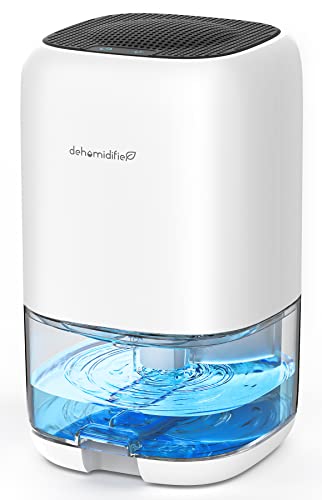


Moisture Removal Capacity and Pint Ratings
Dehumidifier capacity is measured by the volume of moisture a unit extracts from the air during a standard 24-hour cycle. Compact Peltier units collect between 16 and 40 ounces daily, which suits enclosed closets or tiny bathrooms. Larger compressor models remove between 30 and 150 pints daily, making them suitable for damp basements and multi-room spaces.
Evaluating capacity requires assessing the ambient temperature and baseline humidity of the room you need to treat. High heat and heavy dampness force compact units to run continuously to achieve noticeable dryness. Selecting a capacity rating slightly higher than your room strictly requires prevents the appliance from overworking and wearing out prematurely.
A practical rule of thumb is to allocate roughly 30 pints of daily capacity for every 1,500 square feet of moderate dampness. For extremely wet areas with standing moisture or visible mold, increase that baseline by at least 10 to 15 pints. Matching the pint rating precisely to your room dynamics ensures balanced performance without excessive power usage.
Refrigeration Compressor vs. Thermo-Electric Peltier Technology
Understanding the underlying cooling mechanism helps you match the dehumidifier to your specific room environment. Thermo-electric Peltier models use solid-state heat pumps without moving mechanical parts besides a small circulation fan. Compressor-based systems circulate refrigerant through coils to condense substantial quantities of airborne vapor rapidly.
Peltier units operate almost silently and consume negligible electricity, making them wonderful for small bedrooms, walk-in closets, and campers. However, their extraction speed remains modest, so they cannot handle severe water intrusions or extensive basement dampness. Compressor units generate more operating hum and consume more wattage, but they handle severe humidity across large open layouts effortlessly.
Choose a Peltier unit if your space measures under 300 square feet and requires whisper-quiet background moisture control. Opt for compressor technology whenever you need rapid drying in laundry rooms, flooded areas, or humid basements.
Water Tank Volume and Drainage Options
The size of the built-in water reservoir determines how frequently you must physically empty the collection bucket. Mini units often feature tanks holding between 35 and 68 ounces, requiring manual dumping every two or three days under normal conditions. Larger machines incorporate reservoirs holding up to 1.85 gallons, designed to run for extensive periods between maintenance checks.
Continuous drainage eliminates the chore of carrying heavy water containers across the house every day. Gravity drain ports allow moisture to flow through an attached hose directly into a nearby floor drain or sink. Premium models feature integrated condensate pumps capable of pushing wastewater vertically through a discharge line out of a basement window.
If you plan to place your unit in an unattended location like a crawlspace, prioritize built-in pump systems. Gravity hoses require a continuous downward pitch and fail if the discharge line bends or rises above the outlet port. Choosing the right drainage style among our indoor climate equipment recommendations keeps your home dry without unexpected spills.
Noise Output and Operating Sound Levels
Operating noise significantly impacts where you can comfortably position a dehumidifier in your living environment. Compact thermo-electric models typically run at 28 to 35 decibels, which registers as a soft, unobtrusive whisper. High-capacity compressor units produce sound levels between 38 and 48 decibels, comparable to a steady kitchen refrigerator.
Noise comes from both the internal air circulation fan and the mechanical vibration of the compressor motor. Units equipped with multiple fan speeds allow you to lower airflow at night to minimize background disturbance. Rubberized feet, vibration-dampening motor mounts, and aerodynamic fan blades also reduce annoying structural rattles on hard floors.
When placing a dehumidifier in a bedroom or home office, look for sleep modes that dim control lights and lock the fan on low. For basement or garage installations, operating volume matters far less than raw moisture removal speed. Checking the rated decibel output before purchasing prevents disruptive hums from disturbing your sleep.
Energy Efficiency and Operational Costs
Running a dehumidifier continuously through humid seasons can noticeably increase your monthly electric utility bill. Energy Star certified units utilize advanced heat exchangers and optimized refrigeration circuits that remove more moisture per kilowatt-hour. Certified models often use up to 50 percent less electricity than standard baseline dehumidifiers of identical capacity.
Compact thermo-electric units operate on low direct-current voltage and rarely consume more than one kilowatt-hour across an entire 24-hour day. While their extraction rates are modest, their low wattage keeps ongoing operating costs down to pennies per week. Larger compressor models demand more power, so seeking certified high-efficiency ratings is critical for long-term household savings.
Investing in an Energy Star certified unit often pays for itself through reduced electric bills within the first two operating seasons. Look for smart humidity sensors that automatically cycle the compressor off when the target moisture level is achieved.
Low Temperature Operation and Auto-Defrost Systems
Cool ambient air poses a significant challenge for refrigeration-based dehumidifiers operating in unheated basements or chilly garages. When ambient temperatures drop below 65 degrees Fahrenheit, moisture condensing on cold evaporator coils can rapidly freeze into solid ice. Ice buildup blocks airflow, strains the motor, and prevents the machine from extracting any further water from the air.
Automatic defrost systems actively monitor coil temperatures and temporarily pause the cooling cycle while running the fan to melt frost safely. Some advanced machines feature dedicated self-drying modes that warm internal components before extended storage periods. Without reliable defrost automation, running a unit in cooler seasons can cause permanent damage to the compressor.
If your space regularly drops below 60 degrees Fahrenheit, verify that the appliance includes an active low-temperature sensor. Thermo-electric units also struggle below 55 degrees Fahrenheit because air holds less vapor for solid-state plates to condense. Matching the operating temperature range to your specific seasonal climate ensures dependable, year-round moisture extraction.
Digital Humidistat Accuracy and Smart Control Modes
An integrated digital humidistat allows you to set a precise relative humidity target, typically between 30 and 80 percent. Once the room reaches your selected humidity level, the sensor automatically turns off the dehumidifier to conserve electricity. When moisture levels rise again, the unit resumes operation automatically to maintain consistent, balanced comfort.
Modern dehumidifiers often provide specialized operating presets such as continuous mode, laundry drying mode, and automated comfort mode. Visual humidity indicators using color-changing ambient lights allow you to check room air status from across the room at a glance. Power-outage memory functions are also vital because they ensure your chosen settings restore automatically after an electrical interruption.
Aim to keep indoor relative humidity between 40 and 50 percent to prevent dust mite proliferation and structural mold growth. Setting your target within this sweet spot balances respiratory comfort while avoiding over-drying your interior living environment.
Portability, Footprint, and Ergonomic Design
Compact dimensions and lightweight construction allow you to move a dehumidifier between problem areas without physical strain. Tabletop models weigh just a few pounds, making them effortless to position on bathroom vanities, closet shelves, or RV counters. Larger floor-standing units require durable 360-degree caster wheels, sturdy side handles, and integrated power cord wraps.
Proper clearance around the appliance air intake and exhaust vents is necessary to maintain maximum airflow efficiency. Compact footprints are especially advantageous in tight utility closets and crowded laundry areas where floor space is limited. Choosing a unit with an integrated carry handle ensures you can transport it upstairs or into campers safely.
Compare exterior dimensions against your intended storage or placement nook before finalizing your decision. Browse our all product reviews catalog to see how various appliance dimensions fit diverse home layouts. Ensuring proper clearance around all air grilles prevents motor overheating and maximizes moisture collection.
Air Filtration, Safety Features, and Maintenance Requirements
Dehumidifiers process substantial volumes of ambient room air, drawing in airborne dust, pet dander, and lint over time. Washable mesh intake filters trap large airborne particles to keep internal condensing coils clean and functioning efficiently. Removable filters should slide out easily so you can rinse them under tap water once or twice each month.
Essential safety features include automatic shut-off switches that trigger immediately when the water tank reaches maximum capacity. High-temperature limiters and overload protection cut electrical power if the motor draws excessive current or experiences poor ventilation. Child lock controls prevent curious toddlers or pets from accidentally altering your programmed fan speeds or target humidity levels.
Regular maintenance requires emptying collection buckets promptly and washing internal water tanks to prevent biofilm accumulation. Keeping the air filter clean maintains smooth airflow and extends the operational lifespan of the internal compressor.
| Feature / Type | Thermo-Electric (Peltier) | Compact Compressor | High-Capacity Compressor |
|---|---|---|---|
| Daily Moisture Removal | 16 to 40 Ounces | 20 to 35 Pints | 50 to 150 Pints |
| Effective Room Coverage | Up to 350 Sq. Ft. | 1,000 to 2,000 Sq. Ft. | Up to 7,000 Sq. Ft. |
| Average Noise Level | 28 to 35 dB (Ultra-Quiet) | 38 to 45 dB (Moderate) | 45 to 52 dB (Audible Hum) |
| Drainage Method | Manual Bucket Drain | Bucket or Gravity Hose | Bucket, Hose, or Built-In Pump |
| Ideal Application | Closets, RVs, Bathrooms | Bedrooms, Small Basements | Whole Basements, Warehouses |
Why You Should Trust Us
Our evaluation process relies on comprehensive technical data analysis, verified manufacturer specifications, and extensive user feedback patterns. We systematically benchmark moisture extraction rates, energy consumption metrics, decibel ratings, and real-world drainage options across major market brands. This data-driven approach removes marketing hype to highlight appliances that deliver consistent, dependable moisture control in your living spaces.
We continuously track updates across product lines to verify that our recommendations reflect current engineering standards and certifications. Our team analyzes build quality, safety approvals like ETL and Energy Star ratings, and long-term reliability records. We maintain strict editorial independence to ensure every recommendation remains focused purely on performance, value, and practicality.
Rather than making subjective claims, we ground our guidance in measurable engineering criteria and real-world usability factors. You receive straightforward insights designed to help you protect your home against moisture without wasting money on unsuitable equipment.
Final Thoughts
Selecting the ideal moisture control appliance depends on matching your specific room size, ambient temperature, and personal maintenance preferences. For expansive basements and challenging whole-home humidity, the Waykar 145 Pints 6,500 Sq. Ft High Efficiency stands out as our top overall recommendation. Its integrated upward pump and remarkable 145-pint capacity handle heavy dampness across large floor plans effortlessly.
Homeowners seeking exceptional efficiency in mid-sized living rooms or basements will appreciate the Waykar 34 Pints 2025 Most Efficient Energy Star as our top energy-saving value pick. This unit balances robust compressor power with ultra-quiet 38 dB operation and dual drainage flexibility. It provides substantial moisture extraction without consuming unnecessary electricity or dominating your living room space.
For compact personal spaces like walk-in closets, campers, or small bathrooms, the TABYIK 35 OZ Dehumidifier for Bedroom RV offers excellent targeted dampness control. Its whisper-quiet Peltier cooling mechanism and compact footprint make it simple to place on crowded nightstands or vanities. Explore our full Home & Living selection for more curated solutions that enhance household comfort and indoor air quality.
Investing in a reliable dehumidifier protects your furniture, eliminates persistent musty odors, and creates a healthier indoor environment. Review your square footage and drainage requirements carefully to pick the model that best suits your daily routine.
Frequently Asked Questions
What is the top-rated option among Best Small Dehumidifiers in 2026?
Top-rated units balance high moisture extraction capacity with energy efficiency and low operating noise. For large basements and multi-room spaces, high-capacity pump models provide the most dependable continuous performance. Compact Peltier units remain the preferred choice for bedrooms and closets where whisper-quiet operation is critical.
How do Peltier thermo-electric dehumidifiers differ from compressor models?
Peltier dehumidifiers use solid-state ceramic plates to condense airborne moisture without mechanical compressors or chemical refrigerants. This makes them exceptionally quiet, lightweight, and energy-efficient for compact rooms up to a few hundred square feet. Compressor models use refrigerant coils to extract significantly higher volumes of water, making them necessary for damp basements.
What indoor humidity level should I aim for in my home?
The ideal indoor relative humidity level ranges between 30 and 50 percent for optimal comfort and health. Maintaining humidity below 50 percent prevents toxic mold growth, dust mite proliferation, and structural wood rot. Using a dehumidifier with a built-in digital humidistat allows you to maintain this healthy baseline automatically.
Can a small dehumidifier effectively dry a bathroom without an exhaust fan?
A compact Peltier or mini compressor dehumidifier works effectively in enclosed bathrooms by extracting excess shower vapor. To maximize moisture removal, keep bathroom doors and windows closed while running the appliance after showers. Regular operation helps prevent peeling paint, mirror condensation, and black mold formation on grout lines.
How often do I need to empty the water reservoir?
Emptying frequency depends on your ambient humidity levels, room temperature, and the physical capacity of the collection tank. Compact units with smaller tanks in humid rooms may require emptying every 24 to 48 hours. Using an optional continuous gravity drain hose or built-in pump eliminates manual emptying entirely.
Do small dehumidifiers consume a lot of electricity?
Thermo-electric mini dehumidifiers consume very little power, typically running on less than one kilowatt-hour per day. Modern compressor models certified by Energy Star are also engineered for maximum energy efficiency, keeping monthly operating costs low. Setting your humidistat to an automatic cycle ensures the machine only draws power when humidity rises above your setpoint.
Why does ice form on the coils of a dehumidifier?
Ice forms when ambient room temperatures drop below 65 degrees Fahrenheit and condensing moisture freezes onto cold evaporator coils. Units equipped with automatic defrost systems detect frost buildup and pause cooling while circulating ambient air to melt the ice safely. If you operate a unit in cold basements, always select a model with certified low-temperature defrost capability.
Where is the best place to position a portable dehumidifier?
Place your dehumidifier in an open area with at least 8 to 12 inches of clearance around all air grates. Positioning the unit near moisture sources like bathrooms, laundry areas, or damp basement corners improves extraction efficiency. Keeping the surrounding space clear protects your Furniture & Comfort items while ensuring smooth, unrestricted airflow.
How do I clean and maintain my dehumidifier filter?
Slide out the washable air filter every two to four weeks and rinse it thoroughly under warm tap water. Allow the mesh filter to dry completely before reinserting it into the machine to prevent bacterial growth. Regular cleaning maintains proper air intake, prevents internal motor overheating, and extends the operational lifespan of the appliance.
Can I run my dehumidifier continuously all day and night?
Yes, modern dehumidifiers are designed for safe continuous operation and include automatic shut-off switches when tanks become full. Utilizing automated humidistat modes allows the unit to cycle on and off as needed, saving electricity while preserving internal components. Units with continuous drain hoses can run indefinitely in unattended basements without risk of water overflow.








