

Enthusiastic home cooks often find standard residential stoves limiting when executing complex multi-course recipes. Upgrading your kitchen setup with commercial-inspired performance unlocks precise flame control, massive oven capacities, and heavy cast iron grates. In this September 2026 guide, we analyze 5 Best Gas Ranges Pro options from top brands like Empava, AAOBOSI to help you master every culinary project.
Modern culinary enthusiasts demand equipment that transitions smoothly from delicate low-heat simmering to blistering high-heat searing. Choosing an inadequate stove can result in uneven baking sheets, fragile burner components, and frustrating heat recovery times. Exploring dedicated appliance guides on our Home & Living section helps clarify how commercial appliances integrate into residential spaces.
We evaluated the most critical specifications including total burner thermal output, interior convection dynamics, dual-fuel conversion compatibility, and safety shutoff mechanisms. Whether you need a space-saving 30-inch model or an expansive 48-inch double oven setup, this comprehensive guide will steer your kitchen renovation toward lasting success.


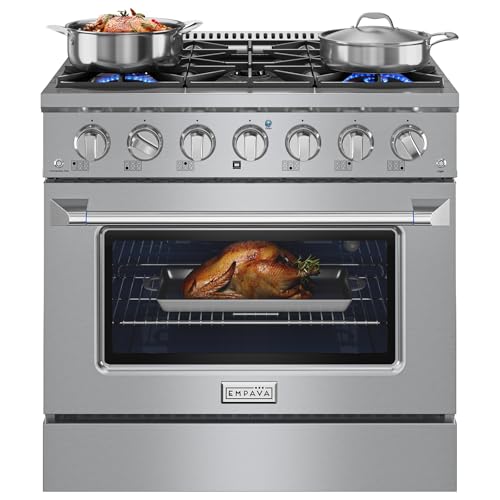
Total BTU Power and High-Heat Burners
Thermal heat output in gas ranges is measured in British Thermal Units per hour, which indicates how quickly a burner transfers heat to your cookware. High-performance residential ranges typically feature at least one high-output burner rated between 18,000 and 20,000 BTUs. This immense heat output allows you to achieve authentic wok stir-frying, deep pan searing, and rapid water boiling without thermal lag.
Standard residential stoves typically peak around 12,000 BTUs, which often struggles when introducing large cold proteins into hot skillets. When evaluating specifications, identify whether the high-power element features a dual-ring or triple-ring flame design for balanced heat distribution. Multi-ring burners distribute flame spread across wide cookware bases, preventing scorched center spots and undercooked outer perimeters.
A dependable rule of thumb is to ensure your range has at least one burner exceeding 18,000 BTUs for rapid searing and boiling tasks. You will also want mid-tier burners that provide between 12,000 and 15,000 BTUs for everyday sautéing, frying, and steaming needs. Having a diverse heat spectrum across different cooking zones ensures complete versatility for intricate dinner menus.
Low-Simmer Precision and Flame Modulation
While intense heat catches attention, subtle low-temperature simmer capability is equally critical for gourmet sauce making. High-end pro ranges should dial down flame output to around 1,000 to 3,000 BTUs without extinguishing unexpectedly. This gentle flame allows cooks to melt baking chocolate, emulsify delicate béarnaise, or simmer rich bolognese sauces for hours without scorching.
Look for sealed Italian burners with dedicated simmer ports that offer calibrated air-to-gas ratios and stable fuel delivery. Inconsistent simmer settings force home cooks to use clunky heat diffuser plates or constantly adjust dials to prevent boil-overs. Quality gas valves maintain a uniform micro-flame even when kitchen drafts or powerful exhaust hoods pull air across the cooktop.
When reviewing burner specifications, verify that each burner specifies a true continuous low simmer setting rather than dropping pressure erratically. Premium ranges often include automatic re-ignition systems that instantly spark if a fragile simmer flame flickers out. This fail-safe engineering prevents unburned gas accumulation and protects slow-simmering recipes during extended cooking sessions.
Oven Convection Systems and Airflow Dynamics
Gas ovens naturally produce a moist baking environment because water vapor is a primary byproduct of fuel combustion. While interior moisture keeps roasted poultry and meats juicy, it can hinder crispy pastry development without active air movement. True convection systems solve this issue by using dedicated electric fans to circulate heated air 360 degrees throughout the oven cavity.
Consistent air circulation eliminates stubborn cold pockets that cause unevenly browned pastries or undercooked casseroles on multi-rack configurations. When comparing models, look for systems that combine high-efficiency fan motors with rear heating baffles for optimal distribution. You can explore broader home upgrades on our All Reviews category to discover other performance kitchen solutions.
As a practical rule of thumb, convection baking allows you to lower standard recipe temperatures by roughly 25 degrees Fahrenheit while trimming cook times. This thermal efficiency helps hosts finish multi-course feasts simultaneously without shuffling baking sheets midway through the cycle. Make sure the control panel allows you to switch convection fans off when baking delicate soufflés or custards.
Oven Capacity and Multi-Cavity Configurations
Usable interior oven volume dictates what size cookware, roasting pans, and holiday turkeys your kitchen can accommodate comfortably. Pro ranges measuring 30 to 36 inches wide typically offer between 4.3 and 5.2 cubic feet of interior cooking space. This generous capacity easily holds commercial sheet pans and multi-tier roasting arrangements for large gatherings.
For serious entertaining or catering needs, 48-inch models introduce double-oven layouts that divide capacity into two separate compartments. A primary 5.0 cubic foot oven handles massive roasts, while a secondary 2.8 cubic foot companion oven manages side dishes or baked desserts. This dual-temperature capability lets you roast meats at high heat while simultaneously baking delicate breads at lower temperatures.
When shopping, measure the usable depth and rack positions rather than merely focusing on gross cubic volume claims. Quality units offer five to seven adjustable rack levels with heavy-duty stainless steel wire racks that support significant weight. Telescopic gliding racks provide extra safety by supporting heavy enameled cast iron Dutch ovens without tipping forward when extended.
Cooktop Grate Design and Material Quality
Heavy-duty continuous cast iron grates are a defining hallmark of commercial-inspired professional gas ranges. Continuous grate designs cover the entire cooktop surface, eliminating dangerous gaps and height variations between individual burners. This flat layout allows chefs to slide heavy stockpots and cast iron skillets effortlessly from high heat to gentle resting zones.
Cast iron retains heat exceptionally well, helping stabilize pan temperatures when cooking multiple dishes side by side. Ensure the grates are finished with high-temperature porcelain enamel to resist rust, acidic food spills, and staining from sauce splatters. Premium grates also feature integrated high-heat rubber feet on the underside to prevent scratching the underlying stainless steel cooktop.
Consider the weight and configuration of the grates for everyday cleaning and kitchen maintenance routines. Grates split into two or three interlocking sections are much easier to lift, wash in the sink, or place into a dishwasher. Always verify that the grate finger spacing provides ample stability for smaller espresso pots as well as oversized woks.
Fuel Type Compatibility and Dual-Fuel Conversion
Most professional gas ranges are configured at the factory to operate on standard residential Natural Gas supply lines. However, homes in rural areas or custom off-grid builds frequently utilize Liquid Propane supplied by external storage tanks. High-quality pro stoves should always include a certified LP gas conversion kit with dedicated burner orifices and regulator springs.
Converting a range requires swapping brass gas nozzles and adjusting the internal pressure regulator to handle propane’s higher energy density. An improperly converted range will produce sooty yellow flames, uneven heating, and potentially hazardous carbon monoxide emissions. Ensure the product documentation provides clear nozzle conversion charts and step-by-step air shutter calibration guidance.
Always confirm that a licensed technician performs the gas conversion to maintain warranty protection and ensure proper line pressure. If your household relies on auxiliary climate equipment, maintaining clean indoor air via proper ventilation is vital, as discussed in our Heating, Cooling & Air overview. Proper gas calibration guarantees optimal thermal efficiency and crisp blue flame output.
Build Construction, Stainless Steel Gauges, and Safety Systems
Commercial-grade ranges must withstand intense heat cycles, frequent heavy pot impacts, and rigorous kitchen cleaning routines. Premium manufacturers use high-grade 304 or 430 stainless steel with brushed finishes that resist corrosion, oxidation, and fingerprint smudges. Thick metal gauge construction on the side panels and cooktop chassis prevents flexing, warping, and rattling during fan operation.
Safety engineering is paramount when managing high-output gas appliances inside modern residential environments. Crucial safety components include thermocouple-activated flame failure protection, which automatically cuts off fuel flow if a burner blows out. Furthermore, triple-pane insulated glass oven doors keep exterior surface temperatures safe for curious children and household pets.
Pay close attention to control knob construction when assessing long-term reliability and day-to-day tactile feedback. Weighted zinc alloy or solid metal knobs offer far superior heat resistance and durability compared to chrome-plated plastic alternatives. Integrated LED halo lighting behind the control knobs provides an instant visual indicator that a burner is currently active.
Cleaning Convenience, Maintenance, and Spill Management
Professional cooking inevitably creates grease splatters, boil-overs, and stubborn baked-on residues across the cooktop and oven cavity. A deep recessed cooktop basin helps contain liquid spills, preventing overflows from dripping down kitchen cabinetry and subfloors. Sealed burner assemblies keep liquids from penetrating internal ignition modules and sensitive gas piping underneath the cooktop.
Inside the oven, look for premium porcelain enamel coatings that resist acid etching and allow effortless wipe-down cleaning. Removable oven doors and tool-less rack guides significantly simplify deep cleaning sessions after messy roasting projects. Storage drawers situated beneath the oven cavity provide dual benefits by offering easy access for baking sheets while facilitating lower floor access.
Avoid ranges with intricate seams, unsealed screw heads, or deep crevices near burner assemblies where grease accumulates over time. Investing in smooth, continuous surfaces ensures your appliance maintains its showroom luster with minimal elbow grease. Regular maintenance with non-abrasive microfiber cloths and stainless steel polish preserves the protective metal finish.
Kitchen Space Planning, Ventilation Requirements, and Dimensions
Professional gas ranges generate substantial heat output and grease plumes, necessitating careful physical planning and adequate ventilation. Standard widths range from 30 inches for drop-in retrofits up to 36 or 48 inches for expansive luxury kitchen installations. Always measure cabinet cutouts, doorway clearances, and countertop depths meticulously before scheduling home appliance delivery.
High-output ranges featuring 60,000 to 100,000 total combined cooktop BTUs demand appropriately matched range hoods for safety. A good benchmark is providing at least 100 CFM of ventilation exhaust power for every 10,000 BTUs of total stove output. Inadequate airflow can lead to lingering cooking odors, airborne grease deposits on furniture, and uncomfortable ambient kitchen temperatures.
Review the electrical requirements as well, since electronic ignitions, convection fans, and halogen lighting require standard 120-volt grounded outlets. Verify whether the range features an elevated rear trim to protect kitchen backsplashes from scorching heat exposure. Proper spacing from side cabinets prevents heat discoloration and ensures compliant, fire-safe installation.
| Range Width | Burner Count | Max Single Burner BTU | Oven Capacity | Ideal Cooking Application |
|---|---|---|---|---|
| 30 Inch | 5 Sealed Burners | 18,000 BTU | 4.3 to 4.55 Cu. Ft. | Standard kitchen retrofits and family weeknight meals |
| 36 Inch | 5 to 6 Burners | 18,000 to 20,000 BTU | 5.2 Cu. Ft. | Gourmet home cooking, entertaining, and large roasts |
| 48 Inch | 7 Burners + Grill | 18,000 BTU | 7.8 Cu. Ft. Total (Double Oven) | Multi-course hosting, bakeries, and high-volume catering |
Why You Should Trust Us
Our review process centers on transparent, data-driven analysis of critical appliance specifications and real-world kitchen functionality. We evaluated gas burner thermal distributions, metal chassis gauges, convection airflow designs, and third-party safety certifications across prominent manufacturers. By shortlisting ranges that meet rigorous ETL and CSA safety benchmarks, we ensure our recommendations provide long-term reliability.
We examine manufacturing standards, flame modulation capabilities, and dual-fuel conversion tolerances to highlight practical differences between models. We also analyze component quality, such as Italian SABAF sealed burner engineering, heavy cast iron grate durability, and porcelain enamel coatings. Our focus remains strictly on objective performance metrics rather than promotional manufacturer claims.
Because appliance engineering and kitchen technologies continually evolve, our guides receive regular updates to reflect current market realities. We continuously monitor brand support reputations, replacement component availability, and user feedback trends to keep recommendations fresh. Our goal is to provide straightforward, hype-free buying guidance tailored to your culinary ambitions.
Final Thoughts
Selecting the right commercial-style stove transforms everyday food preparation into an effortless, restaurant-quality cooking experience. For ambitious home chefs seeking exceptional heat output and flagship commercial styling, the Empava Professional 36″ Gas Range stands as our top overall recommendation. Its blistering 20,000 BTU dual-flame burner, massive 5.2 cubic foot convection oven, and weighted zinc alloy knobs deliver uncompromising culinary authority.
If you desire professional 36-inch cooking power while optimizing your kitchen renovation budget, consider the Empava 36″ Professional Gas Range with 18K BTU or the 36″ Professional Gas Range for Serious Home. Both models feature responsive 18,000 BTU triple-ring burners, true convection circulation, and continuous cast iron grates that handle oversized cookware with complete stability. For other home appliance inspiration and comfort selections, take a look at our Furniture & Comfort recommendations.
For expansive kitchens, multi-course holiday entertaining, or semi-commercial baking demands, the AAOBOSI 48 Inch Professional Double Gas Range provides unparalleled versatility. With seven versatile burners, an integrated grill station, and 7.8 cubic feet of combined double-oven capacity, it allows you to prepare complex feasts simultaneously. Homeowners working within standard 30-inch cabinet openings will appreciate the Empava ProStyle 30″ Gas Range for its compact footprint and powerful 18,000 BTU searing performance.
Regardless of which model suits your floor plan, investing in robust burner power and true convection airflow will elevate your culinary creations. Review your kitchen ventilation capacity, confirm your fuel supply lines, and choose a range that supports your culinary passions for years to come.
Frequently Asked Questions
What defines a pro style gas range compared to a standard residential stove?
Pro style gas ranges feature commercial-grade stainless steel construction, heavy-duty continuous cast iron grates, and high-output burners exceeding 18,000 BTUs. They emphasize tactile metal control knobs, true convection baking airflow, and commercial aesthetic lines over standard digital touchscreens.
What are the top features to look for in the Best Gas Ranges Pro in 2026?
When evaluating Best Gas Ranges Pro models in 2026, look for high-output 18,000 to 20,000 BTU power burners, sealed Italian burner components, and true convection oven circulation. Flame failure safety shutoff systems, dual-fuel LP conversion kits, and weighted metal control knobs are also essential indicators of quality.
Can professional gas ranges run on propane instead of natural gas?
Yes, most professional gas ranges come factory-set for Natural Gas but include a certified Liquid Propane conversion kit in the packaging. A qualified technician must replace the burner orifices and adjust the gas pressure regulator to ensure safe, efficient propane combustion.
How many BTUs do I need on a pro gas range cooktop?
A versatile pro range should offer at least one high-power burner rated between 18,000 and 20,000 BTUs for rapid boiling and intense searing. The remaining burners should range from 9,000 to 15,000 BTUs for standard sautéing, alongside a dedicated low-simmer burner delivering 1,000 to 3,000 BTUs.
What size range hood CFM is required for a professional gas range?
You should generally provide 100 CFM of ventilation exhaust power for every 10,000 BTUs of total stove heat output. For example, a high-output 36-inch range with 60,000 total BTUs pairs best with a range hood delivering at least 600 CFM to remove grease, heat, and moisture efficiently.
Do pro gas ranges require special electrical wiring in a home kitchen?
Most all-gas professional ranges only require a standard 120-volt grounded electrical outlet to power electronic ignitions, convection fans, and interior oven lighting. However, you must verify that the dedicated gas shutoff valve and supply piping meet local residential building codes.
Why is true convection important in a gas range oven?
Gas combustion generates natural moisture inside the oven cavity, which can impede crispy roasting and even pastry baking without active ventilation. True convection utilizes a fan and baffle system to circulate heated air continuously, eliminating cold spots and promoting uniform browning across multiple baking racks.
How do I clean and maintain heavy cast iron cooktop grates?
Allow the grates to cool completely, then wash them with warm water, mild dish soap, and a non-abrasive sponge to protect the porcelain enamel coating. Avoid harsh chemical cleaners or abrasive scouring pads, and ensure the grates are dried thoroughly before placing them back onto the cooktop.
What is flame failure protection and why is it necessary?
Flame failure protection is a safety mechanism that utilizes a thermocouple to monitor burner flames during operation. If a flame accidentally blows out due to drafts or liquid spills, the safety valve automatically shuts off gas flow to prevent dangerous fuel accumulation.
Are 48-inch double oven ranges suitable for standard residential kitchens?
A 48-inch range requires a dedicated wide cabinet opening, reinforced flooring, and high-capacity ventilation hoods suitable for luxury or open-concept kitchens. If you are also researching specialized home technology or audio enhancements, explore our sound bar buyer guide for other lifestyle upgrades.








