

College living spaces demand clever utility and compact design from every appliance you bring inside. Finding the Best Dorm Room Microwave Ovens means balancing small footprints, strict residence hall wattage rules, and reliable heating power. We evaluated 3 leading options for September 2026 to help students prepare warm meals quickly between lectures.
Many freshmen mistakenly buy oversized kitchen appliances that swallow precious desk area or trip the circuit breaker during study sessions. A modern dorm microwave must offer dedicated presets, quiet performance, and solid safety locks in a tight frame. Exploring our wider Home & Living guides can also help you organize your living space effectively.
This comprehensive guide breaks down essential specifications across top brands like BLACK+DECKER, COMFEE’ to simplify your shopping experience. You will discover how capacity, heating curves, and safety standards influence your daily college routine. Our recommendations ensure you select an appliance that satisfies campus regulations while delivering consistent cooking results.

Exterior Dimensions and Desk Footprint
Dormitory rooms offer very limited surface space, requiring careful measurement before selecting any kitchen appliance. A compact microwave should sit easily on top of a mini-fridge or a corner shelf without blocking walkways. Measuring your intended setup area helps avoid frustrating returns during move-in week.
Most compact microwave frames range from seventeen to nineteen inches in width and ten to thirteen inches in depth. Units with rear vents need at least two inches of clearance behind them to ensure proper airflow. Never place a microwave flush against a wall or underneath low-hanging textiles.
Height also plays a crucial role if you plan to tuck the microwave under a raised loft bed or shelf. Compact heights around ten inches provide adequate interior room while leaving vertical storage space open. Choosing a slim profile ensures your dorm room stays functional and clutter-free.
Interior Capacity and Turntable Diameter
The internal volume of dorm microwaves usually spans between 0.7 and 0.9 cubic feet. While 0.7 cubic feet handles standard coffee mugs and cereal bowls, 0.9 cubic feet accommodates larger dinner plates. You should assess what types of food containers you plan to heat on a daily basis.
Turntable diameter dictates whether your favorite frozen dinner or oversized ceramic bowl will rotate smoothly without jamming. A ten-inch glass turntable easily accommodates everyday bowls, reheating trays, and small microwave cookware. Models offering 10.6-inch turntables provide additional versatility for larger takeout containers.
Interior vertical clearance is equally important when heating taller items like soup thermoses or stacked containers. Be sure to check the internal height specifications rather than relying solely on overall cubic volume. A balanced internal cavity provides plenty of heating space without bloating the overall machine size.
Wattage Levels and Residence Hall Regulations
Campus housing rules typically impose strict wattage restrictions to prevent electrical overloads on shared dormitory circuits. Most universities limit student appliances to between 700 and 900 watts of cooking power. Always review your residence hall handbook before selecting an appliance for your dorm.
A 700-watt microwave takes slightly longer to boil water or cook meals than standard full-size household units. However, it operates reliably on standard campus electrical circuits without causing tripped breakers or flickering lights. Adjusting your cooking time by thirty to sixty seconds easily compensates for lower wattage.
Models featuring 900 watts deliver faster heat distribution and crisper reheating results for frozen snacks. If your college guidelines permit 900-watt devices, this extra power reduces cooking times during busy morning routines. Check out our All Reviews hub for additional appliance comparisons.
Preset Cooking Programs and Express Buttons
Preset menus streamline meal preparation when you are rushing between classes or late-night study marathons. Quick-start buttons for popcorn, pizza reheat, baked potatoes, and beverages take the guesswork out of timing. These dedicated programs automatically balance power levels to avoid scorched edges or cold centers.
One-touch express cooking is another valuable feature found in modern countertop microwaves. Pressing a single number pad initiates one to six minutes of full-power heating instantly. A convenient plus-thirty-seconds button lets you extend cooking time without resetting the entire timer.
Look for intuitive control layouts featuring clearly labeled tactile pads and bright digital readouts. A responsive keypad eliminates frustration during early morning coffee warm-ups or dark midnight snack sessions. Reliable presets turn basic microwave reheating into an effortless task.
| Specification Feature | 0.7 Cu. Ft. (700W) | 0.9 Cu. Ft. (900W) | Dorm Significance |
|---|---|---|---|
| Exterior Width | Approx. 17.1 inches | Approx. 18.7 inches | Determines mini-fridge fit |
| Cooking Power | 700 Watts | 900 Watts | Matches campus electrical limits |
| Turntable Size | 10.0-inch glass | 10.6-inch glass | Accommodates standard dinner plates |
| Power Levels | 10 to 11 settings | 10 settings | Enables gentle defrosting and simmering |
| Primary Best Use | Ultra-compact dorms | Shared suites and larger meals | Optimizes space and cooking speed |
Safety Locks and Overload Protection
Safety features are essential in communal living spaces where roommates and visitors share equipment. Modern countertop microwaves often integrate two-step child safety locks to prevent accidental activation. These lock mechanisms stop empty heating cycles that could pose serious fire hazards.
Engaging the keypad lockout feature disables the control panel until a specific key combination is held. This safeguard is especially helpful during transport, room cleaning, or when hosting study groups in cramped quarters. It ensures that bumped buttons will never start an unattended cooking cycle.
Quality internal temperature sensors and automatic shut-off systems provide added peace of mind in dormitories. These safety systems interrupt power if the internal cavity overheats or runs dry. Investing in a certified, safety-tested model protects both your room and the broader building.
Noise Levels and Late-Night Operation
Living in close quarters with roommates makes acoustic performance a primary consideration for dorm appliances. Countertop microwaves produce sound from cooling fans, rotating turntables, and end-of-cycle notification beeps. A loud microwave can easily wake a sleeping roommate during late study hours.
Many modern units feature quiet magnetron technology that keeps operating noise below sixty decibels. Some manufacturers also include a mute function to silence button chimes and completion beeps entirely. If you frequently study late into the night, sound silencing options are incredibly practical.
Mechanical vibration also contributes to overall noise if the microwave rests on a thin metal shelf or wooden desk. Choosing a microwave with sturdy rubber feet isolates operational vibration and protects desk surfaces from scratches. Smooth mechanical components ensure quiet, unobtrusive daily performance.
Multi-Stage Cooking and Defrost Versatility
Multi-stage cooking allows you to program two sequential heating phases within a single cycle. For example, the microwave can defrost frozen leftovers at thirty percent power before automatically switching to full heat. This seamless transition prevents the outside of your food from overcooking while the core remains frozen.
Dedicated defrost options usually split between weight-based defrosting and timed defrosting programs. Weight defrost calculates exact power intervals based on the weight of frozen poultry, meat, or vegetables. Time defrost gives you complete manual control when preparing specialty frozen items.
Ten or eleven adjustable power levels allow students to soften butter, simmer sauces, or warm sensitive foods gently. Having granular power control turns a simple college microwave into a versatile culinary tool. You gain full control over meal texture and temperature without scorching dishes.
Door Mechanisms and Handle Ergonomics
Door latch design impacts both durability and everyday convenience in tight living spaces. Countertop microwaves utilize either push-button release mechanisms or pull-style handles on the door face. Push-button models maintain a flat front profile, which prevents accidental snagging in narrow dorm walkways.
Pull handles offer a direct mechanical grip that many users find easier to operate with full hands. However, handles protrude slightly past the front frame, requiring an extra inch of forward clearance. Consider your room layout and walking paths before choosing between a handle or a push-button release.
Durable hinge construction ensures the door maintains a tight seal throughout years of college use. A loose door seal can cause safety sensor errors or prevent the magnetron from firing properly. Solid latching hardware guarantees dependable daily access and consistent heating safety.
Ventilation Clearance and Exterior Heat Dissipation
Adequate ventilation is critical for countertop microwave longevity and fire safety in small rooms. Microwaves pull cool air across internal electronics and vent hot steam through exterior side or top grates. Confining a microwave in an unventilated cubby can trigger thermal shutdowns or shorten component life.
As a general rule, maintain at least two inches of open space on the sides and three inches above the appliance. Never drape towels, textbooks, or decorative clutter over active ventilation ports while cooking. Keeping air intake vents free of dust ensures smooth airflow and stable temperatures.
Fingerprint-resistant exterior finishes and smooth metal enclosures simplify surface cleaning and heat dissipation. A quick wipe with a damp cloth prevents grease buildup around side exhaust vents. Thoughtful placement keeps your microwave operating safely throughout the entire academic year.
Why You Should Trust Us
Our review methodology relies on comprehensive technical data, verified product specifications, and direct campus living requirements. We evaluate electrical safety certifications, volumetric measurements, heating efficiency curves, and user ergonomics across leading brands. This rigorous analysis ensures our guidance remains objective, transparent, and focused on real student needs.
We track updates in appliance safety regulations and dormitory housing guidelines to keep our recommendations current. Every specification in this guide is verified against manufacturer documentation to eliminate marketing exaggerations. Our goal is to provide honest, practical insights so you can equip your living space with total confidence.
Final Thoughts
Choosing the right microwave transforms dorm life by offering fast, affordable meals right inside your personal room. Whether you need an ultra-compact heating unit or a higher-powered machine for full meals, selecting the correct balance is key. For more student living recommendations, browse our Furniture & Comfort section.
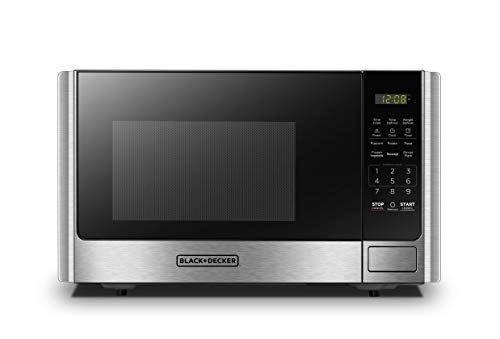
If you have space for slightly faster cooking times and larger dinner plates, we recommend the BLACK+DECKER Countertop Microwave Oven, 0.9 Cu.Ft. Its 900-watt output and roomy 10.6-inch turntable make it our top overall pick for busy college students. It combines stainless steel accents with robust multi-stage cooking programs.
Students working with tighter dorm layouts and strict 700-watt limits will appreciate the BLACK+DECKER Countertop Microwave Oven 0.7. This unit provides exceptional value, smooth express heating buttons, and a space-saving frame that sits neatly on small shelves. It handles daily reheating without taking up valuable study desk space.
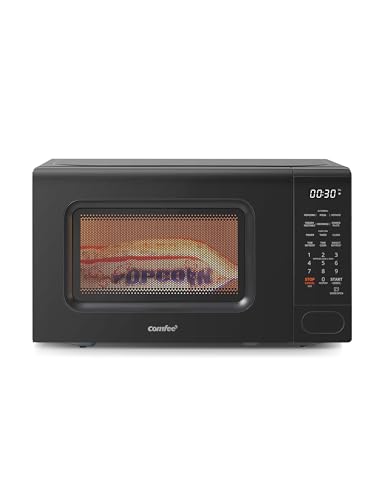
If safety protocols and precise digital controls are your top priority, the COMFEE’ Countertop Microwave Oven 0.7 Cu.Ft, 700W serves as an outstanding choice. Its two-step safety lock, eleven power levels, and bright display deliver reliable daily heating in shared rooms. Matching your specific dorm rules to these capable models ensures smooth cooking all year long.
FAQs
What is the top-rated option among Best Dorm Room Microwave Ovens in 2026?
The top overall choice is the 900-watt model with a 0.9 cubic-foot capacity, offering great speed and generous turntable space. It handles standard dinner plates while staying compact enough for most dorm desks. Students who require strict lower wattage will find the 700-watt compact units equally reliable.
Can I use a 900-watt microwave in any college dorm room?
Most dormitories allow microwaves up to 900 or 1000 watts, but policies vary across different universities. You should always check your student housing guidelines before buying any kitchen appliance. If your campus enforces a 700-watt limit, stick to compact 0.7 cubic-foot models.
What size microwave fits best on top of a dorm mini-fridge?
A 0.7 cubic-foot microwave measuring around seventeen inches wide fits comfortably on standard compact refrigerators. Always check the weight capacity of your mini-fridge top before stacking appliances. Leaving open clearance around side vents ensures safe heat dissipation.
How do I prevent my dorm microwave from tripping the circuit breaker?
Avoid running your microwave simultaneously with other high-draw appliances like hair dryers, electric kettles, or space heaters. Plug your microwave directly into a wall outlet or an approved heavy-duty surge protector. You can also explore our Heating, Cooling & Air guide to understand room power limits.
Why is a child safety lock important in a dorm room?
A safety lock prevents accidental button presses when people gather in crowded dorm rooms or move items around desks. It also stops anyone from running the microwave while empty, which could burn out the magnetron and create fire hazards. Enabling the lock provides peace of mind in shared student spaces.
Does a 700-watt microwave take significantly longer to cook food?
A 700-watt microwave generally requires twenty to thirty percent more cooking time than a standard 1000-watt kitchen model. For instance, a frozen burrito might take three minutes instead of two minutes and fifteen seconds. The food heats just as evenly once you adjust the cooking timer slightly.
What is the easiest way to clean a small microwave in a dorm?
Place a microwave-safe bowl filled with water and lemon juice inside, then heat it on high for three minutes to create steam. The steam softens hardened food splatters, allowing you to wipe the interior clean with a paper towel. Regular steaming prevents persistent odors in small living areas.
Can standard dinner plates fit inside a 0.7 cubic-foot microwave?
Most standard dinner plates measuring ten inches or smaller fit comfortably on a 0.7 cubic-foot turntable. However, oversized eleven-inch or twelve-inch specialty plates may touch the interior walls and fail to rotate properly. Using medium ceramic plates or microwave-safe bowls guarantees smooth operation.
What does multi-stage cooking do on modern countertop microwaves?
Multi-stage cooking lets you program consecutive power levels in advance, such as defrosting food before heating it to full temperature. The microwave switches settings automatically without requiring you to return to the keypad midway through cooking. This feature ensures frozen meals heat thoroughly without drying out.
Are stainless steel finishes better than black finishes for dorm microwaves?
Both finishes provide equal cooking performance and long-term durability when properly maintained. Stainless steel offers a modern kitchen aesthetic, while black finishes resist visible fingerprints and smudges better during everyday student use. Your choice depends entirely on your personal style preference and room decor.








