

Staying properly hydrated throughout the day requires quick access to clean, temperature-controlled water. Modern households and busy work environments increasingly rely on versatile dispensing appliances to streamline morning routines and simplify meal preparation. Exploring our Home & Living guides reveals how dedicated appliances can transform daily domestic workflow.
Whether you need piping hot water for morning oatmeal or refreshing cold hydration after an intense workout, a dedicated system eliminates the constant wait for a kettle or refrigerator door. We evaluated 5 top units across Avalon, InSinkErator, Elkay and more to determine which appliances offer the best blend of thermal performance, long-term durability, and ergonomic convenience for September 2026.
Many shoppers mistakenly assume that all dispensing systems deliver the same thermal output and filtration quality. Choosing the wrong unit can lead to noisy operation, lukewarm beverages, or frequent plumbing headaches that complicate your daily routine. This comprehensive guide highlights the essential performance metrics you must evaluate before making an investment.


Selecting the right hydration appliance involves balancing installation requirements, heating speed, cooling capacity, and maintenance demands. The following criteria detail everything you need to assess before choosing a unit for your kitchen, home office, or workspace.
Dispenser Architecture and Installation Types
Dispenser architecture determines where the machine can sit and how it connects to your water source. Freestanding bottled coolers offer great flexibility because they only require a standard electrical outlet. Plumbed point-of-use units and under-sink systems connect directly to your domestic cold water line, delivering continuous output without the need to restock plastic jugs.
When evaluating built-in options versus freestanding cabinets, measure your available floor area and cabinet depth carefully. Under-sink instant hot tanks fit neatly out of sight but consume valuable under-counter storage space. Recessed wall dispensers create a clean look, yet they demand dedicated wall cavity depth and professional plumbing integration.
If you live in a rental property, a freestanding bottle-fed cooler remains the most practical choice. Homeowners undertaking a kitchen renovation often prefer under-sink or built-in models for their streamlined appearance. Balance your willingness to manage plumbing modifications against your desire for a clutter-free countertop.
Always verify the proximity of your nearest electrical outlet before purchasing. Extending power cords across walkways creates safety hazards, especially around high-capacity heating elements.
Heating Capacity and Temperature Precision
The heating performance of a water dispenser dictates whether it can truly replace a traditional stovetop kettle. High-performance models utilize dedicated stainless steel tanks powered by heating elements rated between 400 and 750 watts. These powerful heating cores quickly elevate water temperatures to near-boiling levels around 200 degrees Fahrenheit.
Lower-tier dispensers often struggle to maintain water above 180 degrees Fahrenheit, which produces underwhelming French press coffee and poorly steeped black tea. Look for systems that specify near-boiling output with rapid thermal recovery times. A dispenser with a generous reservoir volume can dispense multiple cups consecutively without dropping into a lukewarm recovery cycle.
A reliable rule of thumb is to check the recovery rate if your household frequently prepares instant soups or hot beverages back-to-back. High-wattage under-sink tanks provide rapid recovery within minutes, while budget bottled dispensers may take longer to reheat their smaller internal reservoirs. Pay close attention to dry-start protection features that prevent the heating element from burning out if the water supply runs empty.
Precise temperature dials on premium under-sink tanks allow you to dial in specific heat levels. This adjustability ensures delicate green teas steep properly without scorching the leaves.
Compressor Cooling Power and Chilling Efficiency
Effective cooling performance depends primarily on whether a dispenser uses a compressor-based refrigeration system or a thermoelectric module. Compressor-driven units operate like standard kitchen refrigerators, chilling water down to crisp temperatures below 45 degrees Fahrenheit regardless of ambient room heat. Thermoelectric units struggle in warm climates and frequently fail to produce genuinely cold water during summer months.
When reviewing cooling specifications, examine the cooling power wattage alongside the hourly chilling rate. A standard 100-watt compressor provides consistent chilling for high-traffic environments where multiple people refill large sports bottles. Ensure the cooling coils are well insulated inside the cabinet to prevent thermal bleed between adjacent hot and cold tanks.
Compressor noise is an important trade-off to consider if the dispenser will sit in an open-concept living area or a quiet home office. Premium models feature vibration dampening around the compressor mount to keep operational hum to a minimum. Positioning the dispenser at least two inches away from surrounding walls also prevents resonant buzzing.
Look for stainless steel cold reservoirs that maintain low temperatures efficiently. Metal tanks retain their chill far better than basic plastic reservoirs during peak afternoon usage.
Water Filtration and Contaminant Removal
Water quality directly impacts both the taste of your beverages and the long-term health of your family. Point-of-use dispensers and built-in systems often feature integrated carbon block filters or reverse osmosis compatibility. Researching options in our Health & Family section highlights why certified filtration is essential for removing harmful impurities from tap water.
Always check for independent certifications under NSF/ANSI standards when evaluating filtration-ready models. Standards like NSF 42, 53, and 58 guarantee verified reduction of chlorine, lead, volatile organic compounds, PFAS chemicals, and microscopic microplastics. Systems with lead-free certification ensure plumbing brass components will not leach heavy metals into your morning cup.
Consider the ongoing maintenance schedule and cartridge replacement costs associated with filtered units. Many advanced dispensers include built-in LED indicators or audible alerts that track filter life based on gallon throughput. Choosing models with quick-connect filter heads ensures tool-free replacements that take less than a minute to complete.
If your local municipal water has high mineral hardness, prioritize systems compatible with scale-inhibiting filters. Managing scale accumulation protects sensitive heating elements from premature failure.
Loading Ergonomics: Bottom Loading vs Top Loading
For bottle-fed dispensers, the loading mechanism determines how much physical effort is required to keep the machine operational. Top-loading models force you to lift a full 40-pound five-gallon bottle to chest height, invert it, and align it onto a piercing spike. This physical task presents significant strain for many users and frequently causes accidental spills.
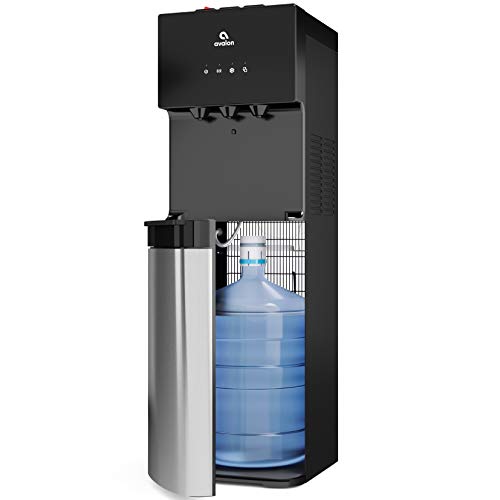
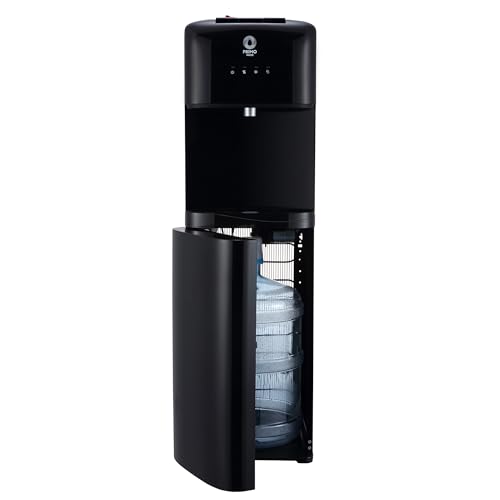
Bottom-loading water coolers solve this ergonomic challenge by concealing the bottle inside a lower cabinet door. You simply slide the bottle into the base compartment and insert an adjustable suction probe into the bottle neck. An internal electric pump automatically draws water up into the internal reservoirs on demand.
Beyond ergonomic benefits, bottom-loading units deliver a sleeker, more attractive appearance because the large plastic jug remains completely hidden. The main trade-off is the brief hum of the suction pump during refill cycles, along with the need for reliable electrical power to operate the pump. Premium bottom-loaders include low-bottle indicator lights that alert you before the reservoir runs completely dry.
Check the design of the suction probe assembly before buying. High-grade stainless steel probes offer superior rigidity and hygiene compared to flexible plastic hoses.
Safety Locks and Child Protection Features
Near-boiling water presents a severe scalding risk in households with curious young children or energetic pets. Because hot water reaches temperatures up to 200 degrees Fahrenheit, robust child-resistant safety mechanisms are an absolute necessity on any hot dispensing tap. Faucets should require deliberate, multi-step actions to initiate hot flow.
Common safety mechanisms include two-step push-and-hold buttons, spring-loaded safety latches, or sliding collar locks. The best mechanisms require enough physical coordination to prevent toddler accidents while remaining comfortable for adults to operate one-handed. Avoid units with flimsy plastic safety catches that can wear down or jam over time.
Test the tactile resistance of the dispensing buttons whenever possible. A firm spring action ensures the hot valve instantly snaps shut the moment you release pressure, preventing accidental overflows and painful splashes.
Energy Consumption and Thermal Insulation
Because hot and cold dispensers maintain insulated thermal reservoirs around the clock, energy efficiency plays a major role in ongoing operating expenses. Energy Star certified units utilize dense expanded foam insulation around the heating and cooling chambers. This superior insulation minimizes standby thermal loss and prevents frequent heating cycles.
Look for machines equipped with independent power switches for the heating and chilling circuits on the rear panel. These switches allow you to disable the hot tank during hot summer weeks or shut down cooling if you only require room-temperature hydration. Turning off unused circuits saves significant energy over the lifespan of the appliance.
Advanced electronic dispensers often incorporate smart sleep timers or ambient light sensors that automatically lower power draw during nighttime hours. These thoughtful efficiency features keep standby electricity consumption low without sacrificing daytime performance.
Reservoir Material Quality and Hygienic Design
The materials that come into direct contact with your drinking water dictate long-term taste neutrality and hygienic safety. Food-grade 304 stainless steel tanks are far superior to plastic reservoirs because they resist mineral scale accumulation and prevent unpleasant chemical odors. Stainless steel construction also tolerates high temperatures without degrading over years of service.
High-touch dispensing areas represent another critical hygiene consideration. Leading manufacturers treat high-contact points, such as dispensing paddles and levers, with specialized antimicrobial coatings like BioGuard to prevent bacterial colonization. Smooth exterior surfaces made from tempered glass and brushed stainless steel make routine sanitization effortless.
Examine the construction of the dispensing nozzle and internal tubing. Pure silicone and stainless steel fluid paths ensure that fresh spring water retains its natural flavor profile without absorbing plasticizers. Investing in premium materials prevents the water from developing stale, plastic-tainted undertones.
Check that external cabinet seams fit tightly together without wide gaps. Tight construction prevents kitchen dust and cooking grease from infiltrating the internal mechanical housing.
Maintenance Routines and Self-Sanitization Protocols
Every water dispenser requires periodic maintenance to eliminate mineral scale deposits and prevent microbial biofilm buildup. Freestanding bottled coolers should undergo a thorough flush with food-grade citric acid or vinegar every three to six months. Built-in systems with integrated filters require routine cartridge swaps according to recommended gallon thresholds.
Some advanced dispensers incorporate automated self-sanitizing cycles that utilize ozone injection or internal UV-C light loops to sterilize internal reservoirs. While these automated systems reduce routine manual labor, they do not completely replace the need to descale mineral deposits in hard water regions. Removable drip trays that detach easily for dishwasher cleaning further simplify everyday upkeep.
Before purchasing, check where the internal drain plug is located on the back or bottom of the unit. Accessible drain ports allow you to completely empty internal hot and cold reservoirs during sanitization without tipping the entire machine over.
Consistent maintenance preserves optimal flow rates and prevents mineral crust from restricting delicate faucet valves. A clean system guarantees crisp, pure water every time you fill a glass.
System Comparison Overview
To help you select the ideal configuration for your home, the table below summarizes the primary design architectures, heating and cooling capabilities, and typical use cases.
| Dispenser Type | Water Supply | Typical Heating Output | Cooling Method | Best Suited For |
|---|---|---|---|---|
| Bottom-Loading Cooler | 3 to 5 Gallon Bottles | 185 – 195°F | Electric Compressor | Busy kitchens and offices needing easy loading |
| Under-Sink Instant System | Plumbed Cold Line | Up to 200°F | Tap / Ambient Cold | Gourmet kitchens wanting on-demand near-boiling water |
| Built-In Wall Unit | Plumbed Cold Line | Chilled / Ambient | Battery / Line Powered | Modern homes seeking clutter-free architectural hydration |
| Top-Loading Cooler | 3 to 5 Gallon Bottles | 180 – 190°F | Compressor / Thermoelectric | Budget-focused setups with basic hydration needs |
Why You Should Trust Us
Our review approach relies on rigorous technical analysis, engineering specifications, verified material certifications, and real-world user feedback. We carefully examine thermal wattage ratings, reservoir insulation quality, compressor cooling cycles, and structural safety standards across dozens of competing models. Our mission is to provide transparent, unbiased guidance so you can invest with complete confidence.
We specifically cross-reference safety and performance claims against independent industry benchmarks, including NSF/ANSI plumbing standards and UL electrical certifications. By evaluating long-term reliability factors like stainless steel tank construction, antimicrobial surface treatments, and dry-start protection circuits, we filter out fragile appliances that fail under daily stress.
Our buying guides are dynamically maintained and continuously updated to reflect changes in manufacturing standards, replacement part availability, and technological improvements. We focus exclusively on practical consumer utility to help you find durable, high-performing hydration solutions.
Final Thoughts
Investing in a dedicated water dispenser brings immediate convenience to your kitchen routine, whether you are brewing morning beverages or encouraging your family to drink more fresh water. Our thorough evaluation of Best Hot and Cold Water Dispensers reveals exceptional options tailored to diverse installation requirements, space constraints, and lifestyle preferences. Reviewing our All Reviews catalog provides further insights across leading home convenience appliances.
For versatile everyday performance in homes and shared spaces, the Avalon A4BLWTRCLR Bottom Loading Water Cooler stands out as our top overall pick. Its three temperature presets, effortless bottom-loading compartment, BioGuard antimicrobial coating, and built-in nightlight deliver an unmatched combination of convenience and hygiene without demanding complex plumbing work.
If you want exceptional value without sacrificing reliable chilling power, the Primo Water Dispenser for 5 Gallon Bottle represents a fantastic budget-friendly solution with its quiet compressor and robust child safety lock. Meanwhile, serious home cooks seeking instant near-boiling water right at the sink will appreciate the InSinkErator Stainless Steel Tank for its compact 750-watt heating tank and reverse osmosis compatibility.
Homeowners who desire a sleek, architectural hydration station should consider the Elkay Liv EZ LBWDM0BKBC Built-in Filtered Water or the stainless steel Elkay Liv EZ LBWDM0SSBC Built-in Filtered Water. Their advanced NSF-certified filtration and space-saving in-wall design eliminate countertop clutter while delivering exceptionally clean drinking water.
FAQs
What water temperatures do Best Hot and Cold Water Dispensers reach in 2026?
Most quality hot and cold dispensers deliver cold water between 40 and 47 degrees Fahrenheit and hot water between 185 and 200 degrees Fahrenheit. High-wattage under-sink tanks reach near-boiling temperatures ideal for instant tea, while compressor-driven coolers provide crisp, refreshing cold hydration on demand.
How often should you clean and descale a hot and cold water dispenser?
You should clean the external surfaces and sanitize the internal fluid reservoirs every three to six months to prevent mineral scaling and microbial growth. Running a solution of food-grade citric acid or distilled white vinegar through the tanks effectively removes hard water deposits.
Is a bottom-loading dispenser more reliable than a top-loading model?
Both styles offer high reliability when built by reputable manufacturers, but bottom-loading units provide vastly superior ergonomics by eliminating the need to lift heavy 40-pound bottles. Bottom loaders rely on an internal electric pump to lift water, which requires gentle handling of the suction probe during bottle changes.
Can you connect an under-sink hot water dispenser to a reverse osmosis system?
Yes, many premium under-sink tanks and faucets are engineered to be fully compatible with reverse osmosis filtration systems. Ensure the dispenser carries NSF 58 certification and features corrosion-resistant stainless steel waterways that tolerate purified water without degradation.
How much electricity does a typical water cooler consume annually?
An Energy Star certified water dispenser generally consumes between 100 and 200 kilowatt-hours per year depending on household usage frequency. Models equipped with independent power switches allow you to turn off heating or cooling circuits during vacations to further minimize power consumption.
What should you look for in child safety locks on hot water dispensers?
Look for intuitive two-step mechanisms, such as a spring-loaded safety latch or a push-and-hold button, that require simultaneous actions to open the hot valve. The mechanism should automatically snap shut when released to prevent accidental burns or scalding in homes with small children.
Are built-in wall dispensers harder to maintain than freestanding water coolers?
Built-in wall dispensers require slightly more planning during initial installation but often demand less day-to-day upkeep because they connect directly to your home plumbing. Maintenance primarily involves swapping out certified water filter cartridges once or twice a year without the hassle of purchasing heavy plastic bottles.
Why does water from a newly installed dispenser sometimes taste like plastic?
A plastic taste in new dispensers usually stems from manufacturing residues lingering in internal silicone tubing or plastic reservoir seals. Flushing two to three gallons of fresh water or running a mild vinegar solution through the entire system before initial use eliminates this temporary aftertaste.
Can you turn off the hot water function if you only need cold drinking water?
Most modern freestanding and countertop water dispensers feature independent power rocker switches on the rear cabinet for the heating and cooling circuits. Switching off the hot tank disables the heating element completely, allowing you to dispense room-temperature water while saving electricity.
How do NSF certified filters protect drinking water in modern dispensers?
Filters certified to NSF standards undergo strict third-party laboratory testing to verify the removal of specific contaminants like lead, chlorine, PFAS, and microplastics. Checking resources like our Heating, Cooling & Air guides underscores how certified filtration and climate systems protect your overall indoor wellness.








