

Live performances and broadcast productions require dependable power for wireless microphone transmitters. A sudden drop in voltage during a critical speech or musical set can interrupt the entire performance. Choosing reliable power cells ensures continuous signal transmission while saving money over disposable options.
In this guide updated for September 2026, we evaluate 7 top power options across leading brands like Energizer, EBL, BONAI and more. Modern developments in regulated lithium cells and low self-discharge nickel metal hydride packs have transformed mobile audio setups. Sound technicians can now rely on stable power cycles that easily withstand demanding multi-hour events.
Selecting the ideal battery setup requires understanding transmitter power draw and cell discharge characteristics. You can explore our All Reviews catalog to discover more professional audio gear guides. This comprehensive breakdown will help you choose the best power solution for your live sound equipment.


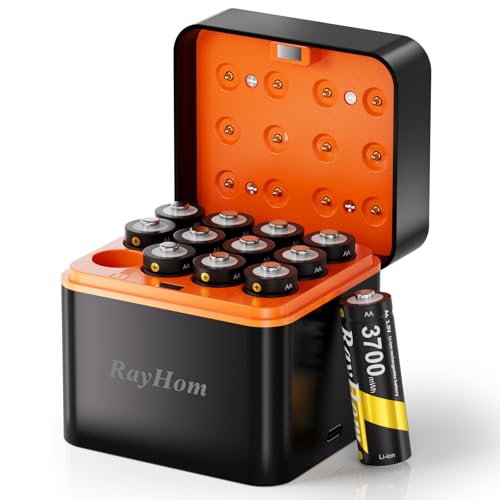


Chemical Formulation: NiMH vs 1.5V Lithium
The internal chemistry of a rechargeable cell dictates how it releases electrical energy over time. Nickel Metal Hydride cells provide a nominal 1.2 volts and hold substantial energy reserves for continuous use. In contrast, modern rechargeable lithium AA cells incorporate internal micro-circuitry to output a steady 1.5 volts until depleted.
Standard NiMH cells are economical and proven workhorses for conventional dynamic microphones and bodypack transmitters. They withstand rugged handling and offer forgiving charge characteristics across hundreds of cycles. Many production engineers prefer NiMH cells because their gradual voltage drop allows transmitters to warn users before power cuts out entirely.
Regulated 1.5 volt lithium cells are ideal for high-drain digital transmitters that require maximum voltage to maintain clean radio signals. These cells maintain peak output without sagging, which prevents sudden transmitter resets. However, their integrated step-down circuitry means the power meter on your microphone may show full charge until the battery turns off abruptly.
A practical rule of thumb is to deploy NiMH batteries for analog wireless systems where telemetry gauges are critical. Choose regulated lithium cells when powering digital transmitters with high RF power output settings. Evaluating your specific transmitter architecture ensures you match the chemistry to your audio hardware requirements.
Discharge Voltage Curves and Audio Telemetry
Wireless microphone transmitters rely on internal sensors to measure voltage and calculate remaining battery life. Alkaline batteries start at 1.5 volts and steadily decline in a linear slope down to roughly 0.9 volts. Rechargeable chemistries behave differently, which directly alters how your microphone displays remaining power reserves.
NiMH cells maintain a long, flat plateau around 1.2 volts for approximately eighty percent of their discharge cycle. This causes some basic transmitter meters to drop to two bars almost immediately, even though the battery has hours of runtime left. Audio technicians must understand this plateau to avoid swapping perfectly good batteries in the middle of an event.
Modern 1.5 volt lithium cells output a constant voltage through an internal buck converter until the cell reaches cutoff. This provides pristine audio preamp performance and strong transmission range up to the final second. When using constant voltage lithium batteries, always track operating time with a physical timer rather than trusting visual transmitter indicators.
True Capacity Metrics: Milliamp Hours vs Milliwatt Hours
Comparing rechargeable battery capacities requires looking beyond raw numbers printed on the label. NiMH batteries are universally rated in milliamp hours, with professional grade AA cells typically offering between 2000mAh and 2800mAh. Lithium rechargeable batteries are frequently measured in milliwatt hours, reflecting total deliverable energy over time.
To compare these formats accurately, divide the milliwatt hour rating of a lithium cell by 1.5 volts to find its effective capacity. For example, a 3400mWh lithium battery provides roughly 2266mAh of usable current at its regulated operating voltage. This conversion allows you to compare performance between differing battery chemistries on an equal scale.
High capacity cells above 2500mAh provide generous safety margins for lengthy theater productions and corporate conferences. However, extremely high capacity cells can sometimes experience slightly higher self-discharge rates when stored. Balancing capacity against your typical show duration helps ensure optimal operational reliability.
Low Self-Discharge (LSD) Technology
Older rechargeable batteries lost significant charge within days of sitting on an equipment shelf. Low self-discharge technology uses improved lattice separators and optimized chemical purity to retain power for months or years. This advancement ensures that batteries charged on Tuesday remain ready for a weekend performance without requiring a top-off charge.
High quality LSD cells can retain up to eighty percent of their total capacity after three years of non-use. This stability is invaluable for touring kits, mobile church sound systems, and backup microphone drawers. You can store pre-charged spares in your road cases with complete confidence that they will perform on demand.
To maximize retention in storage, keep charged cells in a climate controlled environment away from direct sunlight. Extreme heat accelerates chemical degradation and shortens the shelf life of any battery pack. Checking standby voltage every few months keeps your emergency audio reserves in top working condition.
| Battery Chemistry | Nominal Voltage | Typical Capacity Range | Cycle Life Expectancy | Ideal Audio Application |
|---|---|---|---|---|
| High-Capacity NiMH | 1.2 Volts | 2400mAh to 2800mAh | 500 to 1200 Cycles | Analog Handheld & Bodypack Transmitters |
| Standard LSD NiMH | 1.2 Volts | 1900mAh to 2100mAh | 1000 to 2100 Cycles | Daily Rehearsals & Backup Mic Packs |
| Regulated Lithium (Li-ion) | 1.5 Volts Constant | 3000mWh to 3700mWh | 1200 to 1600 Cycles | Digital Wireless Systems & In-Ear Monitors |
Multi-Bay Charging Infrastructure and Management
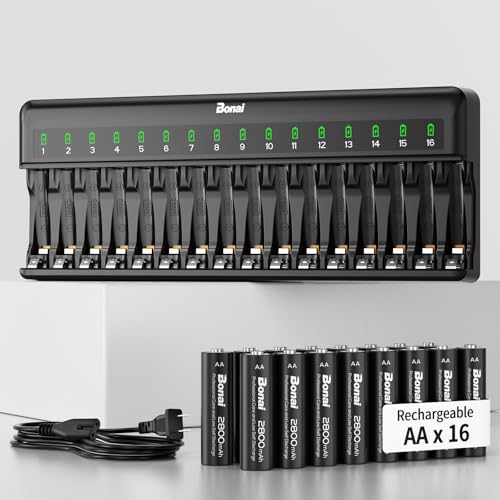
Managing power for multiple wireless microphones requires an organized and capable charging system. Multi-bay chargers with eight, twelve, or sixteen independent slots streamline turnaround times between rehearsals and live shows. Independent charging circuits ensure each cell receives an optimized charge profile regardless of remaining capacity.
Modern charging docks equipped with USB Type-C inputs allow sound engineers to power charging stations from portable power banks or rack power strips. This flexibility is essential for remote recording sessions and festival stages where AC outlets are limited. Smart LED status indicators give instant visual confirmation when batteries are fully conditioned and ready for stage duty.
Always avoid cheap sequential chargers that charge cells in paired series circuits. Series charging can overcharge the stronger battery while undercharging the weaker one, leading to early cell failure. Investing in independent channel docks preserves your battery investment and ensures maximum runtime on every stage channel.
Cycle Lifespan and Operating Cost Reductions
Switching from single-use alkaline batteries to rechargeable cells delivers immediate financial savings for any venue. A typical production facility running eight wireless channels every weekend can burn through hundreds of disposable batteries annually. Quality rechargeable cells can be refreshed from 1000 to 1600 times before reaching end of life.
Calculating the true cost of ownership involves combining initial battery purchase price with charger costs. A complete rechargeable setup pays for itself within just a few months of regular weekend performances. Beyond financial benefits, rechargeable power substantially reduces hazardous chemical waste generated by live events.
To preserve long cycle life, avoid deeply discharging cells below recommended safety thresholds. Remove batteries from microphone bodypacks when not in use to prevent slow parasitic drain. Sound engineers should consult our Home and Living resource area for more gear care advice.
Thermal Management and Internal Resistance
Internal electrical resistance generates heat whenever a battery supplies current to a wireless transmitter. As batteries age or undergo rapid charging cycles, their internal resistance naturally climbs. Lower internal resistance keeps operating temperatures cool and ensures efficient power delivery to the RF transmitter module.
Elevated heat inside a tightly sealed handheld microphone handle can cause audio components to drift and reduce transmission range. Smart chargers equipped with delta-V cutoff and thermal monitoring prevent dangerous overheating during fast charge cycles. Keeping cells cool during charging preserves chemical integrity and prevents premature capacity loss.
Allow hot batteries to cool to room temperature before placing them into charging bays. Inserting freshly depleted, warm cells directly onto high-current chargers stresses internal seals. Establishing a gentle cool-down routine extends battery longevity and maintains pristine audio reliability.
Physical Dimensions and Battery Compartment Tolerances
Standard AA battery specifications allow for minor variations in outer diameter and total length. High capacity rechargeable cells often have slightly thicker outer wraps to accommodate dense internal active material. These micro-millimeter differences can cause tight fits inside certain handheld wireless microphone handles.
Transmitters from major audio brands feature precision molded battery sleds with tight tolerances. If a rechargeable cell fits too tightly, it can jam inside the handle or damage contact springs during removal. Inspecting the outer shrink wrap for smooth seams prevents snagging inside sensitive transmitter compartments.
Never force an oversized battery into a tight microphone compartment. If you encounter resistance during insertion, switch to a slightly slimmer cell model with standard external dimensions. Maintaining proper mechanical fit protects both your microphone hardware and the battery insulation.
Radio Frequency Interference and Electronic Shielding
Wireless microphones operate in crowded radio frequency bands where signal integrity is essential. Regulated 1.5 volt lithium cells contain internal DC-to-DC step-down converters that oscillate at high frequencies. High quality lithium cells incorporate robust internal shielding to prevent high-frequency noise from bleeding into audio preamps.
Poorly manufactured electronic batteries can emit subtle electromagnetic interference that manifests as a high-pitched whine or increased noise floor. NiMH batteries produce pure electrochemical DC voltage with zero switching circuitry, making them naturally silent. For highly sensitive studio microphones or critical broadcast audio, pure electrochemical NiMH remains a benchmark for ultra-low noise.
When testing new battery brands with your wireless gear, perform a silent gain check with receiver audio cranked up. Listen closely for any digital switching artifacts or hum across all operational frequencies. Explore our sound clarity and audio dynamics guide for more tips on preserving clean signal paths.
Why You Should Trust Us
Our review process relies on rigorous technical data analysis, chemical performance profiles, and verified electrical specifications. We analyze continuous discharge curves, thermal stability under high load, and charging safety protocols across all price tiers. This data-driven approach removes marketing hype and delivers clear performance benchmarks.
We evaluate real-world feedback from live sound technicians, touring musicians, and house-of-worship audio teams. Tracking real user experiences across hundreds of production hours reveals critical insights about cell durability, fitment tolerances, and long-term voltage stability. This ensures our recommendations hold up under the pressure of live stage environments.
Our comparisons are continually refreshed through dynamic data tracking to reflect current product revisions and manufacturing updates. We remain completely independent in our evaluations, prioritizing objective data and reliability above all else. Our mission is to provide sound engineers with accurate guidance to keep their live productions flawless.
Final Thoughts
Investing in dependable rechargeable power is one of the smartest upgrades an audio technician or live performer can make. Eliminating single-use alkaline waste saves hundreds of dollars while protecting against sudden voltage drops on stage. Choosing the correct capacity, chemistry, and charging ecosystem ensures your wireless microphones deliver uninterrupted performance show after show.
For versatile multi-microphone operations, our top recommendation is the HiQuick AA Rechargeable Batteries 8 Pack. Its 2800mAh capacity provides extensive headroom for long rehearsals, while the USB-C smart charger enables fast turnaround times anywhere. If your venue requires bulk power management for a full stage setup, the Bonai Rechargeable AA Batteries with Charger delivers an outstanding 16-bay dock with high-capacity cells ready for heavy rotation.
Performers running demanding digital transmitters should consider the 12 Pack Rechargeable AA Lithium Batteries for rock-solid 1.5 volt output in extreme RF environments. If you prefer classic NiMH reliability in high volume, the BONAI Rechargeable AA Batteries High-Capacity pack offers superb value for busy live sound venues.
Selecting the right power platform ensures your microphones perform flawlessly from the opening soundcheck to the final encore. For additional performance gear insights and audio hardware advice, visit our All Reviews section to enhance your production toolkit.
Frequently Asked Questions
How long do rechargeable batteries typically last in a wireless microphone?
A quality 2800mAh NiMH rechargeable battery typically provides six to ten hours of continuous operation in standard analog wireless transmitters. Regulated 1.5 volt lithium cells generally provide five to eight hours depending on RF output transmission power. Always test your specific microphone model during rehearsals to establish precise baseline runtimes.
Why does my wireless mic battery meter show half empty right after inserting freshly charged NiMH batteries?
Most wireless microphone fuel gauges are calibrated for 1.5 volt alkaline discharge curves rather than 1.2 volt NiMH chemistry. Because NiMH operates along a flat 1.2 volt plateau, standard meters misinterpret the lower initial voltage as partial depletion. Despite the low indicator reading, a fully charged NiMH battery will maintain steady power for hours.
What makes 1.5V lithium rechargeable cells different from standard NiMH batteries?
Rechargeable 1.5V lithium AA cells use internal buck converter microchips to step down high internal lithium voltage to a constant 1.5 volts. Standard NiMH cells output electrochemical 1.2 volts that gradually decreases during use. The constant 1.5V output is ideal for sensitive digital transmitters requiring maximum voltage stability.
Are rechargeable AA batteries safe to leave inside transmitters between events?
It is best practice to remove all rechargeable batteries from wireless transmitters after every performance or rehearsal. Many electronic devices exert tiny parasitic standby drains that can deeply discharge cells below safe recovery thresholds over several weeks. Removing batteries also prevents accidental contact spring deformation and preserves battery health.
How many recharge cycles can I expect before battery capacity noticeably degrades?
High quality NiMH and lithium rechargeable cells withstand between 500 and 1600 full charging cycles under proper operating conditions. When used twice weekly, a well maintained battery pack can deliver five or more years of reliable stage performance. Using smart pulse chargers with thermal cutoff safeguards helps maximize overall operational lifespan.
What is the best method to store spare AA rechargeable batteries in road cases?
Store spare rechargeable batteries inside dedicated plastic battery cases that keep individual terminals isolated from one another. Never carry loose batteries in pockets or equipment bags where metal objects could cause accidental short circuits. Store batteries at moderate room temperatures away from moisture to minimize self-discharge rates.
Can I mix different battery brands or capacities in a dual-battery microphone?
You should never mix different brands, chemistries, or capacity ratings inside the same wireless microphone transmitter. Mixing cells causes the weaker battery to discharge faster, which can lead to reverse polarity damage or overheating. Always install matched pairs of batteries that share identical capacities and charging histories.
How does cold weather affect wireless microphone battery performance at outdoor venues?
Cold temperatures slow internal electrochemical reactions, leading to increased internal resistance and reduced runtime. Lithium chemistry handles sub-freezing temperatures significantly better than traditional alkaline or NiMH cells. For cold outdoor performances, keep spare transmitters and batteries warm inside insulated cases until right before showtime.
What charger safety features are most critical when maintaining stage batteries?
Essential charger safety features include independent channel monitoring, delta-V voltage cutoff, and automatic over-temperature protection. Defective cell detection prevents the charger from applying current to damaged or non-rechargeable alkaline cells. Multi-channel microcomputer control ensures each individual cell receives a safe and balanced charge.
Which option stands out among Best AA Rechargeable Batteries for Wireless Mics in 2026 for fast turnaround times?
The HiQuick AA Rechargeable Batteries 8 Pack is an exceptional choice due to its high-speed 600mA pulse charging capability and USB-C connectivity. Its rapid charging profile and independent channel monitoring allow sound crews to refresh cells quickly between back-to-back performance sessions.








