

Meal prepping and buying bulk groceries can dramatically cut household food expenses, but using incompatible storage supplies quickly leads to ruined meat cuts. Suction clamp machines like NutriChef require specific surface textures to extract trapped oxygen without collapsing the intake area. Without proper micro-channels, air pockets remain trapped around food, which accelerates oxidation and ruins texture within weeks.
For September 2026, we reviewed 7 heavy duty bag options from top brands including NutriChef, Wevac, xinbaolong and more to determine which materials reliably prevent freezer burn. Many home cooks accidentally purchase smooth commercial chamber pouches that simply cannot evacuate air on domestic clamp sealers. Understanding film thickness, texture channels, and thermal tolerances makes the difference between fresh steaks and wasted groceries.
Choosing the right heavy duty rolls or precut pouches ensures your meats, vegetables, and pantry staples maintain cellar-grade freshness for years. Explore our complete guide in our Home & Living section to upgrade your food preservation workflow. Below is our direct comparison of the top choices available right now.




Embossed Micro-Channels and Suction Efficiency
External clamp vacuum machines depend entirely on textured micro-channels to draw air away from food before the heating element activates. When smooth plastic sheets are clamped together, the vacuum nozzle pinches the opening shut and leaves substantial air pockets trapped inside. Embossed dot, diamond, or cross-hatch patterns maintain open pathways that guide air directly toward the suction chamber.
Deeper embossed channels reduce vacuum cycle times and minimize strain on your machine’s electric pump motor. High-efficiency channels allow faster airflow extraction, which prevents moisture from creeping up the bag neck before heat sealing completes. This ensures a clean, dry, airtight bond that will not leak during prolonged storage periods.
As a practical rule of thumb, look for bags that feature a textured backing combined with a glossy transparent front wall. This dual-sided design delivers maximum air extraction speed while keeping your stored ingredients clearly visible in freezer drawers. Always confirm that packaging specifically advertises compatibility with external suction clamp sealers.
Film Thickness and Puncture Resistance
Film thickness directly dictates how well packaging resists punctures caused by sharp bone edges, hard crusts, and crystalline ice formations. Standard residential food pouches measure around 3 mil in thickness, while commercial-grade options range between 4 mil and 5 mil. Heavier gauges provide essential structural protection when vacuum pressure draws plastic tightly around jagged meat cuts.
Puncture-resistant bags combine tough polyamide nylon outer layers with food-safe polyethylene inner contact surfaces. This multi-layered composite construction prevents micro-tears from forming when frozen bags rub against each other inside crowded freezers. A single tiny pinhole ruins the vacuum environment, turning premium beef into oxidized, freezer-burned waste.
If you regularly preserve bone-in pork chops, whole poultry, or dried pasta, always choose bags rated at 4 mil or thicker. While slightly thinner 3 mil rolls may save minimal pennies upfront, a single failed seal on an expensive steak negates those savings immediately. Invest in thicker commercial-grade material for all long-term freezer storage.
Pre-Cut Pouches Versus Continuous Rolls
Choosing between pre-cut pouches and continuous uncut rolls comes down to balancing prep speed against packaging size flexibility. Pre-cut pouches come factory-sealed on three sides, allowing you to quickly insert ingredients and complete the top seal in one motion. This format saves significant time when portioning identical servings of chicken breasts or individual ground beef packs.
Continuous rolls require you to manually seal the bottom edge, cut the desired length, fill the pouch, and pull the vacuum. While this process takes an extra step, rolls let you customize bag dimensions for unusually long fish fillets or oversized roasts. This tailored approach reduces plastic waste by eliminating excess empty space at the top of small food portions.
A smart kitchen strategy is keeping a pack of pre-cut quart bags for rapid weeknight meal preparation alongside bulk continuous rolls. This hybrid setup gives you rapid convenience for standard dinners while retaining complete flexibility for seasonal garden harvests. Having both formats on hand optimizes your packaging efficiency and cuts plastic expenses.
Thermal Stability for Sous Vide and Boiling
Precision water bath cooking requires vacuum bags that can endure extended thermal exposure without delaminating or releasing synthetic odors. Premium vacuum storage films withstand continuous water bath temperatures ranging from 130 degrees to 195 degrees Fahrenheit without weakening. Weak side seams can burst under thermal expansion, ruining both your food and the circulator water.
Look for materials verified for boiling water submersion, microwave defrosting, and slow immersion cooking. High-strength side welds prevent corner seam failures when heated liquids expand slightly inside the vacuum pouch during high-temperature vegetable cooking. Durable seams also make it safe to reheat pre-cooked meals directly in simmering water baths.
Always verify that the manufacturer explicitly labels their bags as boil-safe and sous vide compatible before cooking. Reliable thermal tolerance allows you to transfer seasoned meats straight from deep freezer storage into a heated water bath. This seamless transition streamlines dinner preparation without requiring extra dishes or thawing containers.
Comparison of Bag Formats and Performance Specifications
| Bag Format | Standard Thickness | Primary Advantage | Best Use Case |
|---|---|---|---|
| Pre-Cut Quart Pouches | 4.0 Mil Composite | Zero cutting required, rapid loading | Daily meal prep and single-portion proteins |
| Continuous 8-Inch Rolls | 3.5 to 4.0 Mil Layered | Custom lengths with zero edge waste | Pork tenderloins, sausages, and vegetables |
| Continuous 11-Inch Rolls | 4.0 Mil Commercial | Maximum width for large family roasts | Whole poultry, bone-in ribs, and bulk batching |
| Cutter Box Roll Kits | 4.0 Mil Multi-Layer | Straight cuts without hunting for scissors | High-volume harvest packing and freezer stocking |
Food Contact Safety and BPA-Free Formulations
Food contact safety is critical when wrapping acidic marinades, raw meats, and warm foods in airtight plastic sheets for months. Premium storage materials must be completely free from bisphenol A, phthalates, and synthetic plasticizers that might leach into food tissues. Contaminated packaging can impart unpleasant plastic odors and compromise long-term food safety.
Virgin food-grade polyethylene and polyamide resins provide pure contact surfaces that never alter subtle culinary flavors. Pure material composition ensures that delicate fish, artisanal cheeses, and seasoned rubs retain their authentic aroma without chemical interference. It also ensures safe operation during microwave steaming and gentle reheat cycles.
Before purchasing replacement supplies, confirm that the packaging clearly displays verified food contact compliance certifications. You can also explore our broader reviews in the All Reviews category to discover other dependable kitchen appliances. Choosing verified food-safe materials ensures your family enjoys clean, wholesome meals every time.
Freezer Burn Prevention and Gas Barrier Strength
Freezer burn develops when dry, frigid air evaporates moisture out of frozen food surfaces through thin or porous packaging materials. Multi-layered barrier films establish an impermeable shield that blocks oxygen penetration and eliminates moisture sublimation completely. Starving spoilage bacteria of oxygen keeps steaks, poultry, and garden berries vibrant and flavorful for years.
Nylon co-extrusion technology creates dense molecular barriers that dramatically outperform standard polyethylene zip-top bags. While standard freezer bags allow slow gas diffusion within weeks, multi-layer vacuum pouches keep food fresh three to six times longer. This extended shelf life lets you buy wholesale proteins in bulk without worrying about spoilage.
A quick method to test barrier performance is checking frozen packages after ninety days for white dehydration patches or ice crystals. If you notice internal frost forming around the meat, the bag material is permitting slow gas exchange across its surface. High quality barrier pouches keep foods completely frost-free throughout long storage cycles.
Sealer Bar Width Compatibility and Sizing
Most residential NutriChef sealers feature heat sealing wires measuring approximately 11 to 12 inches across the vacuum trough. Selecting bags that exceed your sealer wire dimensions prevents you from forming an unbroken, airtight seal across the opening. Always verify your appliance’s maximum sealing width before ordering wider commercial specialty rolls.
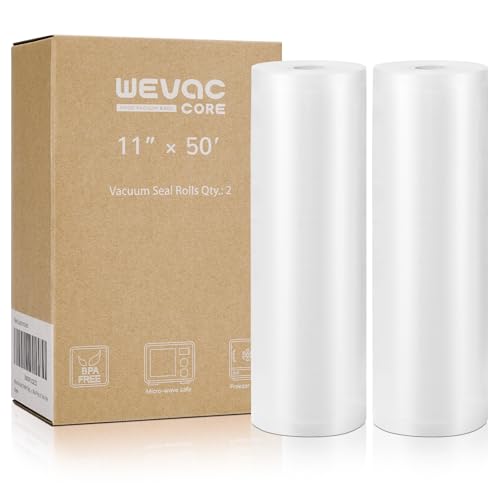
An 8-inch width pouch fits comfortably on virtually any machine and easily accommodates single steaks, chops, or twin burger patties. An 11-inch width roll accommodates whole chickens, prime rib roasts, and large family-sized portions while remaining within sealing wire boundaries. Having both widths available prevents you from using oversized bags on small food portions.
Remember to leave at least three inches of clean, dry space between your food and the open bag mouth. This empty collar allows the bag to lay perfectly flat inside the vacuum channel without bunching along the heating bar. For more helpful product guides, check our review on skin lotion for very dry skin to soothe hands after heavy kitchen prep.
Integrated Cutter Boxes and Roll Management
Handling long plastic rolls on busy kitchen countertops can quickly become frustrating without a dedicated storage and cutting system. Integrated dispensing boxes equipped with built-in sliding razor cutters allow you to slice precise edges effortlessly without hunting for scissors. This neat setup keeps loose rolls from unraveling across kitchen counters during large meal prep sessions.
A clean, straight cut ensures the open bag mouth sits perfectly flat against the sealing gasket inside the vacuum trough. Uneven, jagged scissor cuts tend to wrinkle over the heat wire, which causes minor vacuum leaks and failed heat welds. Precise 90-degree edges guarantee smooth alignment and dependable vacuum performance on every single seal.
Investing in rolls packaged with a reusable cutter box keeps your plastic inventory clean, dust-free, and tidy inside kitchen cabinets. If you regularly process large garden harvests or hunting game, sliding cutter boxes save substantial preparation time. Clean cuts lead to faster packaging cycles and consistent airtight seals.
Reusability, Cleaning Ease, and Cost Efficiency
Heavy duty commercial vacuum bags can often be washed and reused for dry pantry goods to reduce household plastic waste. Robust 4 mil walls hold up well to gentle hand washing with warm soapy water and thorough air drying on countertop racks. Reusing bags for crackers, nuts, and dry beans significantly improves your overall cost efficiency.
When planning to reuse bags, cut continuous rolls a few inches longer than necessary on the initial vacuum seal. This extra length provides sufficient material for trimming away old heat welds and making fresh seals on subsequent uses. Never reuse bags that previously held raw poultry, raw red meats, or oily seafood to prevent cross contamination.
Calculating the overall cost per foot between continuous rolls and precut options reveals that bulk multi-roll packs provide maximum savings. Choosing bundle packs that include both 8-inch and 11-inch rolls ensures you never waste expensive plastic on smaller snacks. Smart sizing habits stretch your packaging investment and maximize household grocery savings.
Why You Should Trust Us
Our review methodology focuses on rigorous material analysis, structural manufacturing standards, and cross-brand appliance compatibility across the kitchen industry. We evaluate plastic film gauges, multi-layer nylon co-extrusion quality, and channel embossing depths to assess real world preservation reliability. This objective analysis ensures you select supplies that perform consistently under rigorous home kitchen conditions.
Rather than accepting marketing claims, we review verified user feedback and manufacturer technical specifications regarding thermal limits and puncture ratings. We also calculate price per square foot across multiple bundle configurations so home cooks can maximize their food preservation budgets. Our recommendations prioritize verified safety, durable construction, and consistent airtight sealing performance.
Our product guides receive continuous updates to reflect current market inventory, packaging revisions, and evolving food-grade material standards. This data-driven, objective evaluation gives you the trustworthy clarity needed to protect your grocery investments. We aim to help you preserve food safely without wasting money on leaking bags.
Final Thoughts
Equipping your kitchen with reliable vacuum packaging transforms how you buy, portion, and preserve seasonal groceries for months ahead. Choosing heavy duty textured rolls ensures your suction machine pulls deep, consistent vacuums every single time without pump strain. High quality barrier films protect delicate textures, lock in marinades, and prevent costly freezer burn.
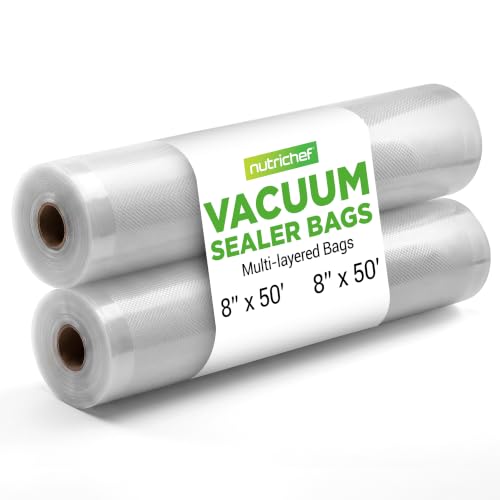
For everyday sealing flexibility and durable multi-layer protection, our top overall recommendation is the NutriChef Vacuum Sealer Bags for Food 8” x 50’. Its heavy duty construction and dual roll sizes handle everything from single steaks to large holiday roasts with dependable puncture resistance.
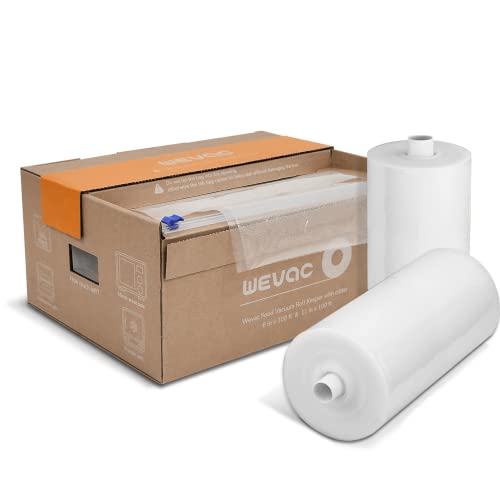
If you value rapid weeknight packing speed without measuring and cutting plastic rolls, the Wevac Vacuum Sealer Bags 8×12″ 100 Quart for Food delivers outstanding convenience. For high volume meal preppers who process bulk harvests, the long capacity Wevac Vacuum Sealer Bags for Food with its integrated cutter box keeps rolls tidy and cleanly trimmed.
Whatever your culinary routine, investing in commercial grade materials prevents food waste and locks in prime nutrient flavor. Discover more reliable home appliance advice by browsing our guides across the Health & Family category. Proper supplies ensure your vacuum sealer operates at peak efficiency for every meal.
FAQs
Can you use third-party bags with NutriChef vacuum sealers?
Yes, NutriChef suction vacuum sealers work with any brand of bags as long as they feature embossed textured micro-channels. As long as the material has micro-grooves on at least one side and does not exceed sealing bar width, third-party bags seal reliably.
What makes Best Bags for NutriChef Vacuum Sealer in 2026 different from smooth bags?
Textured bags feature raised micro-dots or diamond channels that allow external suction sealers to extract air continuously without pinching shut. Smooth commercial bags are designed exclusively for chamber sealers and will collapse flat on clamp machines, trapping air around food.
Are textured vacuum sealer bags safe for sous vide cooking?
High quality multi-layer vacuum bags made from food-grade polyethylene and nylon are completely safe for water immersion cooking up to 195 degrees Fahrenheit. They will not leach chemicals or delaminate when submerged during long precision cooking cycles.
Can I wash and reuse these vacuum sealer bags?
You can safely wash and reuse heavy duty bags that held dry foods, bread, cheeses, or firm vegetables by washing them in warm soapy water. Never reuse bags that contained raw meats, poultry, or oily fish due to the risk of bacterial contamination.
What is the difference between 3 mil and 4 mil vacuum bag thickness?
A 4 mil bag is thicker and significantly more puncture resistant than a standard 3 mil bag, making it ideal for bone-in meats and long-term freezing. Thicker walls also provide a more durable moisture barrier that prevents micro-tears during storage handling.
Why is my vacuum sealer not pulling air out of the bag?
The most common cause is using smooth non-embossed bags, placing the bag opening outside the vacuum channel, or having food debris on the seal line. Ensure the textured side faces the proper orientation and leave three inches of clear collar space at the opening.
Can vacuum bags be used directly in the microwave?
BPA-free vacuum bags can be microwaved for defrosting or gentle reheating, provided you puncture or cut a corner open to vent steam. Never microwave fully sealed bags at high power because expanding steam pressure can cause violent seam ruptures.
How long does food last when sealed in Best Bags for NutriChef Vacuum Sealer in 2026?
Vacuum sealing extends the shelf life of frozen beef, poultry, and fish from six months up to three years without freezer burn. Pantry dry goods like nuts, grains, and coffee can remain fresh for two years when sealed away from ambient humidity.
What is the advantage of using continuous rolls over pre-cut bags?
Continuous rolls allow you to customize the exact length needed for every item, minimizing plastic waste on small items and accommodating extra-long fish fillets. While they require an extra bottom seal step, rolls provide the lowest cost per square foot.
Can you vacuum seal liquids and soups in NutriChef bags?
You can vacuum seal soups and stews by pre-freezing the liquid in ice cube trays or containers before placing them into the pouch. Attempting to vacuum raw liquids directly on clamp machines will pull moisture into the pump mechanism and compromise the heat weld. For other household organization ideas, visit our Furniture & Comfort reviews.








