

Preparing hot meals at a campsite should never require spending a fortune on high-end mountaineering equipment. Modern budget burners offer remarkable thermal output and steady flame control for weekend campers and backpackers alike. Choosing the right cooktop ensures you enjoy hearty outdoor meals without carrying unnecessary bulk or overspending.
In September 2026, outdoor enthusiasts can select from 4 distinct designs that balance fuel versatility with rugged portability. Many first-time buyers mistakenly purchase fragile stoves that struggle against slight breezes or fail during brisk mornings. Our analysis helps you navigate fuel types and burner stability so you can cook with confidence.
Whether you are packing a vehicle for a family picnic or prepping quick trail rations, safety remains essential. When setting up camp cooking areas near tents or enclosed trailers, monitoring ventilation with the best CO detection equipment for confined environments protects everyone from toxic fumes. Understanding basic stove mechanics ensures reliable performance on every backcountry excursion.


Fuel Type Compatibility and Sourcing
Fuel choice dictates where and when you can reliably cook meals in the outdoors. Tabletop camp stoves frequently utilize eight-ounce butane canisters, whereas rugged backcountry models often connect to threaded isobutane or standard sixteen-ounce propane bottles. Understanding the distinct properties of each fuel source prevents unexpected cooking interruptions in the wild.
Butane canisters deliver clean burning and easy loading but lose pressure rapidly when temperatures drop below freezing. Propane remains exceptionally dependable in sub-zero climates and is widely sold at grocery stores, hardware shops, and gas stations across the country. Dual-fuel burners provide the greatest flexibility by allowing seamless switching between both gas types using basic adapters.
Isobutane blends combine propane and isobutane to maintain consistent vapor pressure in cold alpine environments. When planning extended trips, calculate your fuel needs by estimating roughly two ounces of gas per person each day. Selecting a versatile burner eliminates the frustration of searching for proprietary canisters in remote rural communities.
If you frequently travel across varied climates, prioritize dual-fuel compatibility to maximize fuel sourcing options. Storing spare canisters in insulated sleeves helps sustain vapor pressure during chilly shoulder-season mornings. A versatile fuel setup ensures your stove lights reliably regardless of local supply limitations.
Heat Output and BTU Measurements
Heat output indicates the raw thermal energy a burner generates during active operation. Manufacturers measure this performance metric in British Thermal Units per hour or total burner wattage. Higher ratings translate into faster water boiling and stronger resistance against ambient heat loss.
Tabletop units generally produce between 7,000 and 15,000 BTUs, which provides sufficient energy for standard frying pans and saucepans. High-output compact burners can reach upwards of 50,000 BTUs, enabling rapid snow melting and high-heat stir frying. You should evaluate your typical cooking recipes before deciding how much raw thermal energy your campsite truly requires.
High heat output consumes fuel significantly faster, requiring you to carry extra canisters on longer journeys. A standard eight-ounce canister typically lasts about one hour on maximum flame with a standard ten-thousand BTU burner. Balancing raw output with fuel efficiency helps keep your pack weight manageable on multiday hikes.
For general campsite meals like heating soups or simmering stews, moderate heat output delivers optimal fuel conservation. When heating preserved meals such as the best chicken noodle soup in a can for value and comfort, moderate heat prevents scorching the pot bottom. Pay close attention to burner diameter to avoid concentrated hot spots during meal preparation.
Boil Time and Thermal Efficiency
Boil time measures the number of minutes required to bring one liter of ambient water to a rolling boil. Fast boiling speeds allow backpackers to prepare dehydrated meals rapidly after exhausting days on remote mountain trails. Thermal efficiency reflects how effectively the burner transfers generated heat directly into your cookware.
Integrated cooking systems utilize specialized heat exchanger fins welded beneath the pot to trap rising thermal currents. These specialized heat exchangers reduce overall boil times by up to thirty percent compared to open-grate burners. This enhanced efficiency means you consume less fuel over the course of an entire outdoor expedition.
Open burner grates allow significant heat energy to escape around the exterior sides of the cooking vessel. You can improve standard burner efficiency by placing a fitted lid over your pot to retain internal steam pressure. Applying a simple rule of thumb, always keep your flame diameter smaller than the pot base to prevent wasted heat.
Keep in mind that environmental factors such as high altitude and freezing water temperatures will naturally lengthen boil times. Testing your stove at home with measured water volumes provides a practical baseline for your expected fuel consumption. Investing in an efficient thermal setup saves both pack space and ongoing canister expenses.
Flame Modulation and Simmer Control
Precise flame regulation separates versatile culinary cooktops from simple single-purpose water boilers. Inexpensive micro burners often operate with an aggressive torch-like blast that easily scorches delicate foods. Quality control valves allow fine adjustments down to a gentle whisper for slow simmering.
Look for control knobs that turn smoothly across multiple rotations rather than snapping immediately from off to maximum blast. Needle valves provide microscopic gas metering, allowing you to fry eggs or simmer rice without constant pan lifting. This level of precise control transforms basic camp rations into delicious, well-cooked meals.
When evaluating burner heads, wider dispersion plates spread heat across the entire cookware surface. Narrow jet nozzles create concentrated thermal hot spots that can warp thin camp pans and burn delicate ingredients. Test your stove simmer valve with a light breeze to ensure the low flame does not blow out easily.
Simmering capability proves critical whenever you prepare grains, sauces, or multi-ingredient skillet meals. Practicing flame adjustments before departure helps you master temperature management under outdoor cooking conditions. Reliable simmer control ensures you never ruin dinner after a long day in the woods.
Wind Protection and Integrated Baffles
Wind represents the greatest obstacle to efficient heat transfer and consistent cooking performance outdoors. A gentle five-mile-per-hour breeze can double fuel consumption and drastically lengthen boiling times. Effective wind management preserves burner temperature and prevents frustrating flame blowouts.
Many modern budget cooktops incorporate raised metal baffles or recessed burner rings to shield the core flame. Portable tabletop stoves frequently feature built-in windshields that surround the cooking grate on three sides. Integrated wind protection ensures consistent performance without requiring cumbersome aftermarket foil screens.
For ultralight backpacking burners, wrapping an external folding windscreen around the stove creates a sheltered cooking microclimate. Ensure you leave adequate ventilation around the fuel canister to prevent dangerous heat buildup and pressure spikes. Never enclose a butane canister completely within a tight metal windscreen.
Cooking behind natural windbreaks like boulders, logs, or vehicle tailgates further enhances stove efficiency. If you travel in a family vehicle like the best plug in hybrid 3 row SUV picks for families, setting up a cooking station behind the open liftgate provides excellent shelter. Protecting your flame from wind keeps fuel consumption low and cooking schedules on track.
| Fuel Type | Optimal Temperature | Canister Weight | Best Use Case |
|---|---|---|---|
| Butane (8 oz) | Above 32°F (0°C) | Lightweight (8 oz) | Tabletop Car Camping, Picnics |
| Propane (16.4 oz) | Sub-Zero All Weather | Heavy Steel (16.4 oz) | Cold Weather, Emergency Prep |
| Isobutane Blend | Above 15°F (-9°C) | Ultralight (3.5 to 8 oz) | Backpacking, Alpine Hiking |
Weight, Packability, and Portability
Portability requirements differ substantially between car campers, tailgaters, and ultralight backpackers. Heavy tabletop burners with rigid plastic cases excel at drive-up campsites where gear weight is inconsequential. Backpackers require compact units that fold into small pouches or nest completely inside cook pots.
Integrated stove systems offer exceptional space savings by storing the burner, stand, and small canister inside the pot. Standalone micro burners often weigh under two pounds and collapse down to the size of a coffee mug. Evaluate your primary transport method before selecting between a flat briefcase stove and a compact trail burner.
Tabletop stoves provide broad, stable surfaces capable of supporting heavy cast iron skillets up to ten inches wide. While these larger units require dedicated trunk space, they eliminate the tipping hazards common with tall canister burners. Matching your stove form factor to your vehicle or pack capacity ensures hassle-free packing.
Always verify that your chosen model includes a protective carrying case to prevent bent valves during transit. Rigid cases protect delicate piezoelectric elements and control knobs from baggage impact. A well-packed stove remains clean, organized, and ready for immediate deployment at your campsite.
Ignition Systems and Safety Mechanisms
Modern camping cooktops feature integrated piezoelectric ignition systems that produce a spark with the push of a button. Push-button igniters eliminate the need to fumble with matches or lighters in wet, windy conditions. Having a dependable built-in starter simplifies camp cooking, especially during cold mornings.
Safety mechanisms are critical when operating pressurized gas appliances near living quarters and dry brush. Quality butane stoves incorporate automatic pressure-sensing ejection systems that disengage the canister if internal pressure spikes. Built-in gas flow cut-off valves instantly stop fuel delivery if anomalous pressure is detected.
Piezo igniters can occasionally fail in high humidity or thin mountain air above ten thousand feet. Always pack waterproof storm matches or a reliable ferrocerium rod as an emergency backup ignition source. Inspecting gas connection seals and O-rings before every trip prevents hazardous fuel leaks.
During winter camping trips, extreme cold can affect fuel seals and require clearing icy ground around your setup. Using products like the best rock salt for ice and snow that actually works around your vehicle perimeter helps maintain stable footing while cooking in winter. Always operate gas stoves in well-ventilated outdoor areas to ensure complete safety.
Pot Stability and Support Structure
Cooking outdoor meals requires a stable platform that securely holds hot cookware without wobbling. Wide four-prong pot supports provide substantial contact area for larger frying pans and kettles. Narrow three-arm supports save weight but demand careful balancing when stirring thick stews.
Serrated support arms grip the bottom of metal pots to prevent dangerous sliding on uneven campsite tables. Tabletop stoves feature heavy stamped steel or cast aluminum grates that easily accommodate full-sized family cookware. Checking the maximum weight rating of your stove prevents collapsed supports and ruined meals.
Tall top-mounted canister stoves have a higher center of gravity that makes them susceptible to tipping over. Using a folding canister stabilizer tripod expands the base footprint and dramatically improves overall cooking stability. Always position your stove on firm, level ground before igniting the burner.
Test your most frequently used camp cookware on the stove supports before departing on your journey. Cookware that sits flush and centered maximizes heat absorption while eliminating tipping hazards. A stable cooking foundation guarantees safe, stress-free meal preparation in any wilderness setting.
Materials, Durability, and Ease of Cleaning
Outdoor cooking exposes appliances to food splatters, boiling grease, and unpredictable weather elements. Stoves built from hard-anodized aluminum and stainless steel resist rust and withstand heavy wilderness use. Durable construction ensures your budget investment delivers years of reliable service across hundreds of meals.
Removable porcelain-coated drip pans make cleaning grease splatters quick and straightforward after outdoor cooking sessions. Smooth surfaces allow campers to wipe away burnt food residue with a damp cloth and mild biodegradable soap. Rust-proof burner heads prevent corrosion from clogging fine gas orifices over time.
Avoid models constructed with thin stamped sheet metal that bends easily under moderate pan weight. Inspect the valve stems and threading to confirm they are machined from solid brass rather than soft composite plastics. Quality metal components ensure leak-free connections and smooth valve operation through repeated use.
Proper post-trip maintenance includes wiping down all metal surfaces and storing the stove completely dry. Storing your burner in a climate-controlled space prevents moisture from corroding delicate ignition wires and springs. Regular cleaning preserves optimal burner performance and extends the lifespan of your camping gear.
Why You Should Trust Us
Our outdoor gear evaluation team analyzes technical specifications, real-world user feedback, and manufacturer engineering data to identify reliable budget equipment. We focus on verifiable performance metrics such as thermal output, fuel efficiency, and structural safety mechanisms. This rigorous data-driven approach removes marketing hype and highlights products that genuinely deliver outstanding field reliability.
We track price fluctuations and component revisions across major outdoor brands like Gas One, Fire-Maple, Coleman and more to ensure our rankings remain accurate. Our team cross-references customer satisfaction patterns to identify long-term durability issues before making any final recommendations. We prioritize practical functionality, ensuring every featured product meets the demands of active outdoor cooking.
Our comparisons are completely independent and regularly updated across September 2026 to reflect the latest market releases. We do not accept sponsored placements or allow brand incentives to influence our objective ratings. You can trust our recommendations to provide honest, practical guidance for all your outdoor adventures.
Final Thoughts
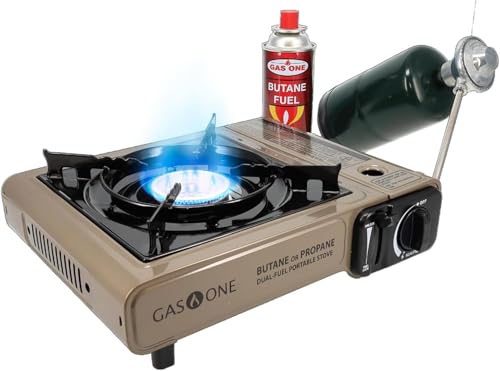
Finding an affordable camp cooktop does not require compromising on cooking power, safety, or fuel flexibility. Our top overall recommendation is the Gas One GS-3400P Propane or Butane Stove Dual Fuel for its seamless dual-fuel capability, built-in pressure safety sensors, and stable tabletop design. It delivers reliable ignition and steady heat for both car camping weekends and home emergency preparedness kits.
If you require unmatched raw heating output for large group cooking, the Roamix 54,500 BTU Multi-Fuel Portable Camping offers incredible power in a collapsible format. Its multi-fuel compatibility and staggering thermal output make it an exceptional value for high-heat outdoor boiling. The compact folding frame allows easy storage in any vehicle trunk or camping gear crate.
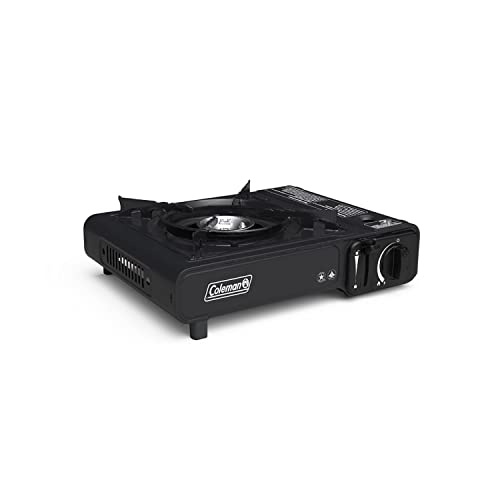
For hikers and backpackers focused on weight savings and rapid boiling, the Fire-Maple Fixed Star 1 Backpacking and Camping represents the ultimate integrated solution. Its built-in heat exchanger dramatically cuts fuel consumption while packing everything neatly inside the one-liter pot. Tailgaters who prefer classic simplicity will also appreciate the proven reliability of the Coleman Classic 1-Burner Butane Stove.
Selecting the right cooktop depends entirely on your cooking style, transport capacity, and planned environmental conditions. Upgrading your camp kitchen with reliable gear ensures delicious meals and memorable evenings around the campfire. Review your outdoor cooking needs today to choose the ideal burner for your upcoming adventures.
Frequently Asked Questions
Which model is the top choice among Best Camping Stoves under $50 in 2026?
The top-rated model in our 2026 comparison is the dual-fuel tabletop burner from Gas One. It combines automatic piezo ignition, dual-fuel adaptability for butane and propane, and built-in pressure safety mechanisms. This balance of safety and versatility makes it ideal for most outdoor cooking situations.
Can I safely use butane camping stoves in freezing winter weather?
Standard butane canisters lose pressure rapidly when ambient temperatures drop below freezing, leading to weak or sputtering flames. For reliable winter cooking, choose propane or isobutane canisters which maintain high vapor pressure in sub-zero conditions. Keeping butane canisters inside your jacket before use can temporarily sustain pressure in mild cold.
How long does a standard eight-ounce butane canister last while cooking?
An eight-ounce butane canister typically provides between one hour and one hour and fifteen minutes of continuous high flame. When operated at moderate simmer levels, a single canister can last over two hours of total cooking time. Packing one canister per day for standard two-person weekend trips ensures adequate fuel supply.
What safety features are essential on budget portable camping stoves?
Essential safety features include automatic pressure-sensing canister ejection and built-in gas flow cut-off mechanisms. These protective systems prevent catastrophic overpressure accidents if the fuel cartridge becomes overheated during long cooking sessions. A sturdy locking lever also guarantees leak-free fuel cartridge seating before ignition.
Is an integrated stove system better than a standalone burner for backpacking?
Integrated stove systems offer superior wind resistance and faster boil times due to their specialized heat-exchanger pot bases. They also pack down compactly by nesting the burner and fuel canister completely inside the cooking vessel. Standalone burners offer greater flexibility if you plan to use diverse pans and skillets on the trail.
Can I connect a one-pound propane tank to a butane camping stove?
You can connect standard one-pound propane cylinders to butane stoves only if the stove is certified for dual-fuel operation. Dual-fuel stoves include a specialized brass adapter hose and pressure regulator designed specifically for high-pressure propane. Never attach propane to a dedicated butane-only stove without official manufacturer certification.
Why is my camp stove flame burning yellow instead of blue?
A yellow flame indicates incomplete combustion, which often results from dirty burner ports, spider webs inside the venturi, or incorrect fuel pressure. A clean, efficient gas burner should always produce a steady, crisp blue flame. Cleaning the burner head with compressed air or a soft wire brush usually restores proper air-to-fuel mixing.
How do wind baffles improve fuel efficiency during outdoor cooking?
Wind baffles physically block incoming drafts from blowing heat away from the bottom of your cooking pot. By concentrating thermal energy directly beneath the cookware, baffles prevent heat dispersion and reduce boil times significantly. This simple structural feature can cut overall fuel consumption in half on breezy days.
Are piezoelectric igniters dependable in high-altitude mountain environments?
Piezoelectric igniters generate electric sparks that may struggle to ignite thin gas-air mixtures at elevations above ten thousand feet. Cold mountain temperatures and high humidity can also reduce spark intensity. Carrying waterproof matches or a spark striker ensures you can always start your stove at high altitudes.
What size cookware can I safely place on a single-burner camping stove?
Most single-burner tabletop stoves safely accommodate frying pans and stock pots up to ten inches in diameter. Oversized cookware can trap excessive heat over the fuel canister compartment, triggering safety ejection switches. Check manufacturer grate dimensions to ensure your cookware rests evenly without overhanging the fuel cover.








