

Heating and cooling separate rooms without wasting power on unused zones is a persistent challenge for homeowners. Traditional central ducted systems lose substantial thermal energy through attic and wall ducts, resulting in inflated electric bills. Choosing among the Best Ductless Split Air Conditioners allows you to control the exact climate of specific living spaces with unmatched energy efficiency.
Our updated September 2026 market analysis evaluates 7 modern split-system units to help you avoid common sizing and voltage mistakes. Many buyers purchase underpowered systems or overlook crucial electrical requirements during installation. We break down the technical specifications so you can pick the ideal heat pump for your floor plan.
Whether you need quiet cooling for a master bedroom or comprehensive climate control for an open garage workshop, this guide delivers actionable insights. Explore our dedicated Heating, Cooling and Air resource hub for additional climate management strategies. Let us examine the top-performing ductless systems currently available for residential installation.


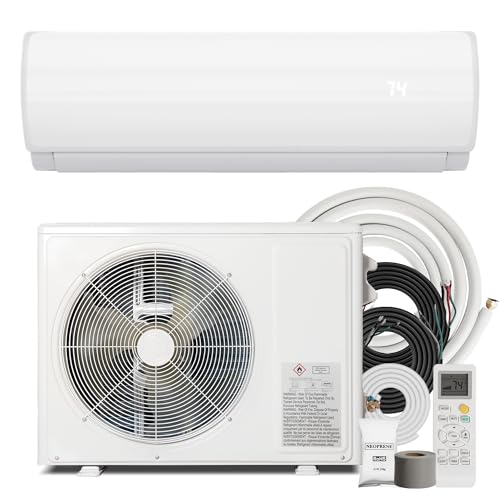

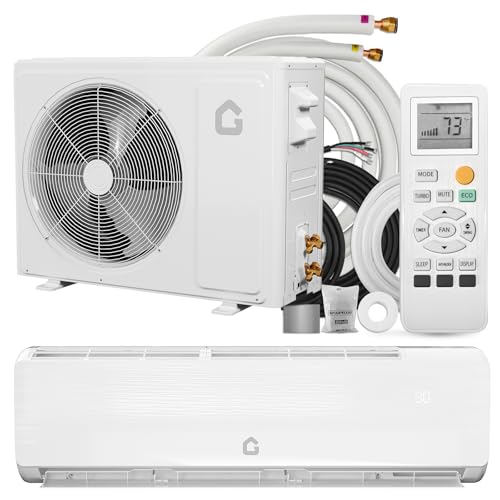

Cooling Capacity and Room Sizing Metrics
Cooling capacity is measured in British Thermal Units per hour and dictates the room volume a system can effectively manage. Selecting an undersized unit forces the compressor to run constantly without reaching your desired setpoint. Conversely, an oversized unit cools the space too quickly without removing ambient humidity, leaving the room feeling damp and clammy.
A standard 12,000 BTU ductless system typically handles spaces between 450 and 750 square feet under moderate insulation levels. Larger spaces spanning up to 1,250 square feet require an 18,000 BTU unit to maintain stable temperatures during peak afternoon heat. Always measure the length and width of your room before selecting a capacity tier.
As a practical rule of thumb, allocate approximately 20 BTU per square foot of living space for standard eight-foot ceilings. Increase this baseline calculation by 20 percent if the room features uninsulated south-facing windows, high vaulted ceilings, or heat-generating kitchen appliances. Accurate baseline calculations prevent premature compressor strain and maintain consistent airflow distribution.
Energy Efficiency Ratings (SEER2 and HSPF2)
Seasonal Energy Efficiency Ratio 2 represents the updated regulatory standard for measuring cooling efficiency over a standard operating season. Higher SEER2 numbers indicate that the air conditioner extracts more heat per watt of electricity consumed. Investing in higher efficiency equipment reduces recurring monthly electric bills significantly over the operating life of the equipment.
Heating Seasonal Performance Factor 2 measures the seasonal heating efficiency of the heat pump reverse cycle. Look for an HSPF2 rating of 8.5 or higher to ensure cost-effective warmth during colder autumn and winter periods. Modern units paired with advanced refrigerants like R32 provide superior heat transfer compared to older chemical blends.
Review the efficiency breakdown below to understand how varying SEER2 ratings influence long-term power consumption across typical residential installations.
| Efficiency Tier | SEER2 Rating | HSPF2 Rating | Ideal Room Application | Energy Savings Potential |
|---|---|---|---|---|
| Standard Inverter | 18.0 – 19.0 | 8.5 | Guest Rooms and Garages | Baseline Efficient |
| High Efficiency | 19.5 – 20.8 | 9.0 | Primary Living Rooms | Up to 25 Percent Lower |
| Ultra Premium | 22.0+ | 9.5+ | Continuous Daily Climate Control | Up to 35 Percent Lower |
When selecting your unit, prioritize systems carrying verified AHRI and ETL certifications to validate the manufacturer efficiency claims. Systems delivering 20 SEER2 or higher deliver rapid payback through reduced grid dependence, especially in regions with elevated kilowatt-hour utility rates.
Inverter Compressor Technology
Traditional single-stage air conditioners operate on an abrupt on-and-off schedule that creates sharp temperature swings and high electrical startup spikes. Inverter-driven compressors utilize direct current technology to modulate motor speeds dynamically based on real-time room requirements. This variable operation ensures smooth thermal management without jarring electrical surges.
Once the indoor space approaches your target temperature, the inverter slows compressor RPM to maintain the environment within half a degree. Modulating output eliminates the mechanical wear associated with frequent motor starts and stops. The continuous low-speed operation also maximizes ongoing dehumidification for improved physical comfort.
Ensure that any model you evaluate specifies full DC inverter architecture across both the compressor motor and outdoor fan assembly. Modern inverter systems consume up to 30 percent less power than non-inverter alternatives while extending mechanical longevity across years of steady use.
Voltage and Electrical Circuit Requirements
Ductless mini splits operate on specific electrical configurations that dictate installation complexity. Most 12,000 BTU systems run on a standard 110V to 115V single-phase circuit, making them ideal for retrofitting older homes without major breaker panel overhauls. These units connect easily to existing residential electrical services with minimal wiring modifications.
Higher-capacity systems delivering 18,000 BTU or greater generally mandate a dedicated 208V to 230V double-pole electrical line. Supplying insufficient voltage to a high-capacity compressor causes thermal overload tripping and permanently damages internal electronic control boards. Always verify your main service panel capacity before finalizing equipment purchases.
Always install a dedicated disconnect switch adjacent to the outdoor condensing unit in accordance with regional electrical safety codes. Pairing the system with an appropriately sized circuit breaker prevents line voltage drops from interrupting sensitive microprocessors during high-load summer afternoons.
Operating Noise and Sleep Acoustic Performance
Acoustic performance is a primary advantage of ductless systems because the loud compressor components reside outside the home. Indoor blower units utilize balanced cross-flow fans to move conditioned air across the evaporator coil with minimal turbulence. Low noise output makes these systems well suited for bedrooms, home recording studios, and private offices.
When comparing acoustic specifications, evaluate the low-speed decibel output of the indoor air handler. Premium systems operate as quietly as 23 to 30 decibels on sleep mode, which is quieter than a soft whisper. Standard baseline units generally produce between 38 and 42 decibels during regular cooling cycles.
If uninterrupted sleep is your primary concern, look for dedicated sleep curve programming and display blanking functions. Turning off front-panel LED indicators while dropping fan speeds creates an undisturbed resting environment throughout the night.
All-Weather Heating and Low-Ambient Operation
Ductless split systems are complete heat pumps capable of reversing refrigerant flow to extract thermal energy from outdoor air. High-performance heat pumps continue to produce reliable indoor heat even when outside temperatures plummet toward 5 degrees Fahrenheit. This makes mini splits an exceptional supplementary heating solution during harsh winter freezes.
Outdoor condensing units must incorporate intelligent auto-defrost programming to prevent ice buildup across the aluminum coil fins. During defrost cycles, the system briefly warms the outdoor coil to melt frost before resuming regular indoor heating mode. Condensate pan heaters prevent melted runoff from freezing into solid ice blocks.
Check the low-ambient heating threshold if you reside in a northern climate zone subject to prolonged freezing temperatures. Pairing your mini split with additional Home and Living climate tools ensures continuous comfort regardless of seasonal exterior temperature extremes.
Smart Controls, Automation, and Sensor Tech
Modern ductless split units provide advanced remote connectivity through smartphone applications and voice assistant integration. Integrated Wi-Fi modules let you adjust target temperatures, set weekly operating schedules, and engage economy modes while away from home. Remote scheduling ensures rooms are pre-cooled prior to your arrival without wasting power all day.
Another valuable technology is the Follow-Me or iFEEL remote thermostat sensor. Instead of measuring room temperature at the high wall-mounted indoor unit, the system reads ambient conditions directly from the handheld remote control. This prevents uneven cooling pockets by focusing climate adjustments where you are seated.
When selecting a connected model, ensure the software platform supports reliable automation routines. Simple timer adjustments and automated sleep profiles allow you to lower power draw during utility peak-rate hours without sacrificing baseline comfort.
Air Filtration, Self-Cleaning, and Anti-Mildew Modes
Indoor evaporator coils naturally collect airborne dust and condensation during the cooling season, which can foster mildew growth if left damp. Leading split systems feature high-temperature self-cleaning cycles that heat the internal coil up to 134 degrees Fahrenheit to sanitize surfaces. This thermal drying process clears moisture and eliminates stubborn organic odors.
Removable high-density air filters capture pet dander, lint, and airborne dust particles before air circulates through the heat exchanger. Washable filter designs allow you to rinse away debris beneath running tap water without purchasing recurring monthly replacements. Regular filter rinses preserve optimal airflow volume and maintain system efficiency.
Select units equipped with automatic fan-delay or anti-mildew drying modes. These settings keep the indoor fan running for several minutes after the cooling cycle stops to thoroughly evaporate leftover moisture from the drainage pan.
Installation Logistics, Line Sets, and Warranties
Most split systems include a pre-charged outdoor condenser and a packaged installation kit with copper line sets, communication wire, and wall sleeves. Pre-charged lines simplify the physical assembly process for qualified technicians. However, pulling a deep vacuum on the refrigerant lines remains a mandatory step to eliminate moisture and non-condensable air.
Manufacturer warranties vary widely and often dictate whether professional installation is required to validate coverage. Top brands provide five to eight years of parts replacement alongside extensive compressor coverage. Retaining certified installation receipts protects your financial investment against premature component failures.
Plan your indoor unit placement carefully on an exterior wall with adequate overhead clearance from the ceiling. Maintaining at least six inches of open space above the indoor air handler ensures unrestricted return airflow and effortless access during seasonal filter cleanings.
Why You Should Trust Us
Our review process relies on systematic data analysis and deep technical comparisons across leading ductless heating and cooling manufacturers. We cross-reference manufacturer specification sheets against third-party AHRI certifications, electrical safety ratings, and verified thermodynamic performance benchmarks. This objective approach ensures every recommendation reflects genuine engineering capability rather than marketing claims.
We continuously monitor regulatory efficiency updates, refrigerant transitions, and manufacturing changes across the residential HVAC landscape. Our comparative scoring weights energy efficiency, acoustic decibel performance, seasonal reliability, and long-term warranty backing. We provide honest and transparent guidance so you can make informed equipment investments for your home.
Final Thoughts
Choosing the Best Ductless Split Air Conditioners comes down to balancing your room dimensions, electrical setup, and desired efficiency tier. If maximizing long-term energy savings is your top objective, the Temprium 12000 BTU Mini Split Air Conditioner stands out as our premier high-efficiency pick. Its industry-leading 22 SEER2 inverter rating, ultra-quiet 23 dB sleep acoustic profile, and full Wi-Fi controls deliver top-tier performance.
Homeowners seeking exceptional value for standard bedroom or office cooling will appreciate the Rellytech Mini Split AC/Heating System, 12000 BTU. This unit provides balanced 19 SEER2 efficiency, four operating modes, and straightforward 115V electrical compatibility without an inflated price tag. It represents a practical climate upgrade for everyday residential spaces.
For expansive living spaces, basement suites, or commercial workshops up to 1,250 square feet, the GarveeHome 18000 BTU Mini Split Air Conditioner delivers the necessary high-output heating and cooling. You can also explore smart voice-assisted management with the Senville LETO Series Mini Split Air Conditioner for seamless home integration. Check out our comprehensive All Reviews section for more home upgrade breakdowns.
Frequently Asked Questions
What room size is a 12000 BTU ductless split system designed to cool?
A standard 12,000 BTU mini split air conditioner is engineered to cool and heat spaces ranging between 450 and 750 square feet. This makes it ideal for master bedrooms, mid-sized living rooms, detached offices, and home studios. Spaces with poor insulation, direct sunlight exposure, or high ceilings may reduce the effective cooling boundary.
Can Best Ductless Split Air Conditioners heat effectively during sub-zero winter freezes?
Yes, modern heat pump split systems are engineered with low-ambient heating technology that operates down to 5 degrees Fahrenheit. The system reverses refrigerant circulation to absorb latent thermal energy from cold outside air. Integrated automatic defrost modes prevent ice buildup on the outdoor condenser coils during freezing weather.
What is the difference between SEER and updated SEER2 efficiency standards?
SEER2 is the updated testing standard introduced to reflect real-world operating conditions more accurately by increasing external static pressure testing parameters. A SEER2 rating provides a more stringent and realistic measure of seasonal electrical efficiency than older SEER metrics. Choosing higher SEER2 systems ensures lower overall electricity usage.
What is the top-rated efficiency option among Best Ductless Split Air Conditioners in 2026?
Systems featuring a 22 SEER2 rating represent the top tier of energy efficiency in 2026. These units utilize direct-current modulating inverter compressors paired with R32 refrigerant to minimize grid electricity consumption. They offer substantial savings for homeowners who operate climate control systems continuously.
Do ductless split air conditioners require professional HVAC installation?
While DIY-friendly connection kits exist, hiring a licensed HVAC installer is strongly recommended to pull a proper vacuum on refrigerant line sets. Professional installation ensures flanged fittings are leak-free, electrical connections meet local codes, and manufacturer warranties remain fully intact. Improper line evacuation leads to premature compressor failure.
How frequently do indoor air filters on a mini split unit require cleaning?
You should inspect and rinse the washable mesh filters every two to four weeks during peak cooling and heating seasons. Dust accumulation restricts airflow across the evaporator coil, reducing cooling capacity and forcing the compressor to work harder. Keeping filters clean maintains optimal indoor air quality and low energy consumption.
What is the advantage of 115V voltage compared to 230V ductless systems?
A 115V system allows installation on standard single-pole residential circuits without requiring double-pole electrical panel upgrades. This provides a cost-effective installation path for 12,000 BTU units in bedrooms or additions. Systems rated at 18,000 BTU and above generally require 230V circuits to handle higher electrical loads safely.
How does the iFEEL or Follow-Me remote sensor feature function?
The iFEEL feature utilizes an internal temperature sensor built directly into the handheld remote control rather than the wall unit. The remote transmits localized ambient temperature data back to the indoor air handler every few minutes. This ensures the unit modulates airflow based on the exact temperature where you are sitting.
What is the expected operating lifespan of a modern inverter mini split system?
A well-maintained ductless split air conditioner typically lasts between 12 and 18 years with proper seasonal care. Regular filter cleanings, annual outdoor coil rinses, and clear condensate drainage help maximize component longevity. Inverter compressors last longer than traditional units because they avoid repetitive on-off cycling stress.
Can a ductless split unit run continuously all day without causing damage?
Yes, inverter-driven mini splits are explicitly engineered to run continuously at low, modulating speeds. Running continuously at steady low RPM is more energy-efficient and creates less mechanical strain than constantly switching on and off. It also provides superior ongoing dehumidification and steady indoor temperatures.








