

Home cooks often believe that preparing tender braises and bakery-style sourdough requires spending a fortune on luxury French cookware. Modern heavy-gauge cookware has changed the market by offering commercial-grade heat retention at approachable price points. Equipping your culinary space through our Home & Living guides allows passionate cooks to prepare restaurant-quality meals efficiently.
Navigating the options for Best Dutch Ovens under $150 in September 2026 reveals 7 capable options that match premium cookware in heat distribution. Many shoppers make the costly mistake of choosing flimsy pots that scorch delicate stews or shed exterior coatings after minimal use.
We evaluated leading choices from trusted brands like Amazon Basics, EDGING CASTING, nuovva and more to determine which models deliver genuine culinary longevity. This comprehensive guide helps you compare thermal capacity, interior enamel quality, and handle ergonomics to find the perfect match for your kitchen.

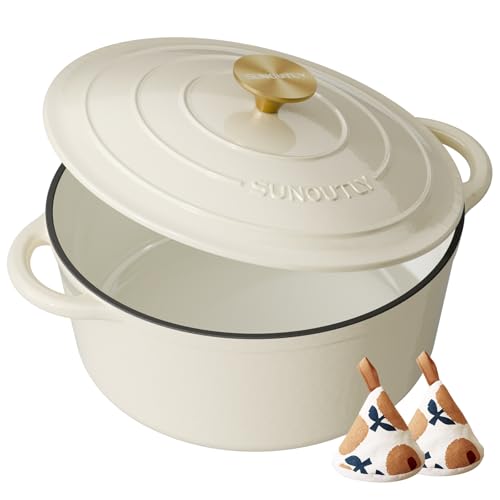


How to Choose the Best Dutch Ovens under $150
1. Material Construction and Raw vs. Enameled Cast Iron
The foundation of any traditional Dutch oven is thick cast iron, which stores massive thermal energy and releases it slowly. Bare cast iron requires ongoing seasoning with culinary oils, whereas enameled versions feature a vitrified glass coating that prevents reactive food interactions.
Raw cast iron withstands open campfire flames and metal utensils without fear of chipping, making it rugged and durable. In contrast, enameled surfaces allow you to simmer acidic tomato sauces and deglaze with dry wine without stripping the protective patina.
If you plan to simmer long sauces and prefer simple soapy cleanup, smooth porcelain enamel is the practical choice. For outdoor cooking, campfire use, and high-heat searing where metal tools are necessary, traditional pre-seasoned iron remains superior.
2. Liquid Capacity and Cooking Volume
Sizing dictates both the recipes you can execute and how much storage space your kitchen cabinets must allocate. Dutch ovens in this category typically range between five and seven quarts, accommodating anything from side dishes to whole poultry.
A five-quart pot fits standard sourdough boules and serves four adults comfortably without crowding your stovetop. Stepping up to six or seven quarts accommodates bone-in roasts, large batches of stock, and entertaining gatherings of six or more people.
Consider the general rule of allowing one quart of volume per person in your household, plus one extra quart for leftovers. Remember that larger capacities add considerable dead weight, so avoid oversizing unless your regular recipe volumes demand it.
3. Heat Distribution, Wall Thickness, and Thermal Retention
Thick cast iron walls prevent temperature drops when cold proteins hit the hot surface, guaranteeing a uniform brown crust. Thinner budget pots often create stubborn hot spots directly above the burner, scorching delicate garlic or dairy bases.
High thermal mass ensures steady, gentle simmering on low flame settings, which breaks down tough connective tissue in pot roasts. Check the base and sidewall thickness, as substantial iron mass is the true secret behind effortless slow cooking.
Always preheat your pot over medium-low heat for five to seven minutes before adding cooking fats. This deliberate warmup allows heat to spread evenly across the floor and walls, preventing thermal stress and optimizing sear quality.
4. Lid Seal, Steam Trapping, and Self-Basting Features
The lid serves as the pressure regulator and moisture preserver during extended oven braises. A loose lid allows vital moisture to escape into the oven cavity, turning fork-tender meat dry and tough over several hours.
Many modern budget lids incorporate raised condensation nodes or dimples on the underside that capture rising steam. Instead of draining down the pot walls, condensed juices drip uniformly across the center of your cooking ingredients.
When baking artisan bread, a heavy, tight-fitting lid creates a miniature steam chamber that delays crust formation. This trapped humidity produces a dramatic oven spring, resulting in a crisp blistered exterior and an open, airy crumb.
5. Oven Temperature Ratings and Knob Materials
Dutch ovens frequently migrate from high-heat searing on the stovetop straight into a hot oven for roasting or baking. Maximum temperature thresholds depend heavily on the materials used in the lid handle and the exterior enamel formulation.
Pots engineered for artisan sourdough baking must safely endure temperatures of 500 degrees Fahrenheit without thermal degradation. Inexpensive composite plastic knobs can warp or crack under sustained baking heat, whereas solid stainless steel or iron knobs remain unharmed.
Always verify the exact heat tolerance of the lid assembly before placing your cookware into a preheated oven. Choosing cookware with integrated metal hardware ensures you never need to purchase third-party replacement knobs for artisan bread recipes.
6. Enamel Quality, Stain Resistance, and Non-Toxic Glazes
Enamel coatings consist of powdered glass fused to cast iron at extreme kiln temperatures, creating an inert cooking barrier. Premium glazes are formulated without lead, cadmium, PFAS, or PFOA, providing a clean food contact surface for wholesome home cooking.
Lower-quality enamels may develop microscopic pits or show rapid discoloration after exposure to dark liquids like red wine and soy sauce. Multi-layer vitreous coatings provide superior gloss retention, resisting stubborn food stains while minimizing sticking during sautéing.
To protect enamel longevity, avoid scouring pads and sudden thermal shocks, such as plunging a hot vessel into cold tap water. Allow the pot to cool naturally for 45 minutes before washing with warm water and a soft non-abrasive sponge.
7. Handle Ergonomics and Vessel Weight Management
Empty cast iron pots often weigh between ten and fifteen pounds, and adding stew increases that weight significantly. Secure, wide-loop helper handles are essential for maintaining total control when lifting hot cookware with bulky oven mitts.
Integrated side handles cast directly into the iron body offer superior structural reliability compared to screwed-on metal brackets. Narrow or flush handles make maneuvering hazardous, especially when transferring heavy liquids across a busy kitchen.
Test how comfortably your gloved fingers fit through the handle openings before committing to a specific model. Opt for designs that include ergonomic curvature or bonus silicone handle covers to ensure safe transport from oven to table.
8. Stovetop Compatibility and Versatility
Versatility is a primary reason home cooks invest in cast iron cookware, as one pot handles frying, braising, and baking. The flat ferrous base of cast iron naturally works across all cooking surfaces, including modern induction cooktops and traditional gas burners.
Some innovative options feature 2-in-1 convertible lids that double as standalone shallow skillets for morning eggs or searing steaks. Exploring multipurpose tools in our broader All Reviews catalog helps budget-minded cooks maximize their overall kitchen utility.
If you cook on a glass-ceramic or induction surface, inspect the base for smooth enamel or polished iron finishing. Rough casting imperfections can scratch delicate glass cooktops when sliding heavy pots between burners, so lift rather than drag your cookware.
9. Cleaning Maintenance and Long-Term Durability
Cookware maintenance routines vary dramatically between bare cast iron vessels and modern porcelain-glazed pots. Bare iron requires immediate hand drying on a warm burner and a light application of neutral cooking oil to prevent surface rust.
Enameled interiors eliminate the seasoning routine entirely, allowing you to wash away fond and grease using mild dish soap. However, enameled surfaces can chip if struck by metal spoons or dropped on stone countertops, requiring mindful wooden or silicone utensil use.
For stubborn baked-on fond, simmer a mixture of water and two tablespoons of baking soda for ten minutes. This gentle process lifts caramelized residues effortlessly without scratching or degrading the lustrous enamel finish.
| Cookware Factor | Bare Pre-Seasoned Cast Iron | Enameled Cast Iron Cookware |
|---|---|---|
| Surface Coating | Natural polymerized oil seasoning | Multi-layer vitreous porcelain enamel |
| Acidic Food Cooking | Limited, can strip seasoning | Safe for tomatoes, wine, and citrus |
| Maximum Temperature | 500°F and above (campfire safe) | Up to 500°F (depends on knob) |
| Cleaning Routine | Hand wash with water, dry and oil | Hand wash with mild dish soap and sponge |
| Utensil Compatibility | Safe for metal spatulas and spoons | Requires wood, silicone, or nylon tools |
Why You Should Trust Us
Our evaluation process focuses on real-world engineering metrics, material integrity, and long-term culinary functionality. We thoroughly analyze manufacturing specifications, base thickness measurements, lid seal tolerances, and enamel coating compositions across the entire budget cast iron category.
We cross-reference manufacturer thermal ratings against established metallurgical standards to ensure products deliver safe performance during demanding sourdough bakes. By tracking customer feedback patterns regarding enamel chipping and handle comfort, we identify common points of failure before recommending any model.
Our assessments remain entirely objective and data-driven, helping home cooks invest in durable kitchenware without paying luxury brand premiums. We continuously update our comparative guides to reflect current production standards, ensuring your purchasing decisions remain practical and reliable.
Final Thoughts
Selecting among the Best Dutch Ovens under $150 comes down to matching vessel capacity and exterior finish to your cooking style. For home bakers seeking bakery-quality sourdough and effortless everyday dinners, the Parmedu 5.5QT Enameled Cast Iron Dutch Oven delivers exceptional steam retention and non-toxic enamel performance.
If you require maximum liquid volume for hosting family gatherings or simmering massive batches of broth, the Amazon Basics Pre-Seasoned Cast Iron Dutch Oven provides heavy-duty 7-quart capacity and bare iron durability. It represents the best overall value for cooks who appreciate traditional seasoning and high-heat resilience.
Outdoor enthusiasts and minimalist cooks will appreciate the versatile EDGING CASTING 2-in-1 Pre-Seasoned Cast Iron Dutch, which features a clever lid that doubles as a frying skillet. For even more smart household upgrades, explore our helpful guides on Furniture & Comfort to enhance your home living environment.
Investing in well-constructed cast iron cookware elevates your culinary potential while keeping your household budget intact. Take time to consider your usual batch sizes and maintenance preferences, and you will enjoy decades of dependable cooking performance.
Frequently Asked Questions
Why should I choose the Best Dutch Ovens under $150 instead of luxury high-end brands?
Modern manufacturing produces enameled and pre-seasoned cast iron with excellent thermal mass and durable glazes at a fraction of luxury brand prices. You get identical heat retention, reliable steam locking, and versatile stovetop-to-oven functionality without paying for high designer markups.
Can I safely bake sourdough bread in a budget enameled Dutch oven?
Yes, most quality enameled Dutch ovens under $150 feature oven-safe ratings up to 500 degrees Fahrenheit, which is ideal for artisan sourdough baking. The heavy cast iron construction and tight lid trap steam released by the dough, creating a crisp, blistered crust and dramatic loaf rise.
What is the main difference between enameled cast iron and bare cast iron Dutch ovens?
Enameled cast iron features a smooth porcelain glass coating that resists acidic foods like tomatoes and requires no seasoning routine. Bare cast iron requires periodic oil seasoning to prevent rust, but it can handle open flames, higher heat thresholds, and metal cooking utensils.
How do I prevent enameled cast iron from cracking or chipping?
Avoid thermal shock by never placing a piping hot pot into cold sink water or preheating an empty enameled pot on high heat. Always use wooden or silicone utensils instead of metal tools, and allow the cookware to cool completely before washing with soft sponges.
What size Dutch oven is best for a family of four?
A 5.5-quart or 6-quart Dutch oven provides the ideal volume for preparing four to six generous servings of soup, stew, or pot roast. This size fits a standard whole chicken comfortably while remaining manageable to clean, lift, and store in regular kitchen cabinets.
Can I use Best Dutch Ovens under $150 on an induction cooktop?
Yes, cast iron is naturally ferromagnetic, making both bare and enameled Dutch ovens fully compatible with modern induction cooktops. Ensure you lift the heavy pot rather than sliding it across the glass surface to prevent accidental scratches on your cooktop.
Why do some Dutch oven lids have raised bumps or nodes on the underside?
These raised nodes act as continuous self-basting systems that capture rising cooking steam during long braises. Instead of running down the sidewalls, the condensed liquid drips evenly across the top of your meats and vegetables, keeping dishes juicy and tender.
What temperature rating should I look for when buying Best Dutch Ovens under $150 in 2026?
Look for a model rated to at least 500 degrees Fahrenheit, especially if you plan to bake crusty artisan breads or roast poultry at high temperatures. Check that both the cast iron body and the lid knob share this rating, as plastic knobs often have lower thermal limits.
How do I clean stubborn burned food from the bottom of an enameled Dutch oven?
Fill the pot with warm water, add two tablespoons of baking soda, and simmer the mixture gently on your stovetop for ten minutes. Allow the water to cool, then wipe the loosened residue away with a soft sponge without using abrasive steel wool pads.
Do I need to season an enameled Dutch oven before its first use?
No, enameled Dutch ovens do not require any oil seasoning because the vitreous porcelain enamel glaze completely seals the underlying cast iron. Simply wash the pot with warm water and mild dish soap before your initial cooking session to remove packing dust.








