

Making piping hot, silky purees requires an appliance built specifically to handle thermal pressure and fibrous root vegetables. Standard countertop appliances often struggle with thick squashes or leak steam under heavy loads, creating messy kitchen spills and uneven textures.
Modern culinary engineering offers two distinct paths for hot purees: friction heating driven by high-velocity blades and integrated thermal elements that cook raw ingredients directly in the pitcher. Understanding these core design differences prevents costly buying mistakes and ensures your daily meal prep remains effortless.
For September 2026, our comprehensive comparison evaluates 5 models from leading manufacturers including Vitamix, YPCOO, ASTRALSHIP. Whether you need a dedicated thermal cooker or an immersion tool, explore our full library in All Reviews to find the best culinary tools for your kitchen workspace.


Motor Wattage and Friction Heating
Motor wattage directly dictates how efficiently an appliance pulverizes fibrous produce like kale, carrots, and butternut squash. Commercial-style motors rated between 1200 and 1500 watts spin blade tips fast enough to generate significant thermal friction, raising cold liquid to steam temperature within six minutes.
When evaluating motor power, consider continuous output alongside peak surge ratings to ensure sustained operation without thermal throttling. Heavy motors maintain high velocity even when handling thick, starchy root vegetables that create high mechanical resistance.
A practical rule of thumb is to aim for at least 1200 watts if you plan to make hot purees solely using blade friction. Lower-wattage units without built-in heaters will leave stringy celery fibers intact and require pre-cooking ingredients on the stove.
Built-In Heating Elements vs. Blade Friction
Appliances in this category split into two distinct heating mechanics: built-in thermal heating plates and pure kinetic blade friction. Integrated heating elements, typically drawing 800 watts, boil water directly inside the jar to simmer raw vegetables before blending.
Blade-friction models rely entirely on high rotational velocity to heat liquid through sheer mechanical energy without any internal coils. This method liquefies cell walls rapidly, producing an exceptionally smooth, micro-aerated restaurant texture in minutes.
Choose an integrated heating model if you prefer one-pot scratch cooking with raw potatoes and dried legumes. Select a high-velocity friction machine if you prioritize silky textures, shorter runtimes, and versatile multi-purpose food preparation.
Jar Material: Borosilicate Glass vs. Tritan Copolyester
Thermal safety depends heavily on pitcher construction when processing boiling liquids. High borosilicate glass provides exceptional thermal shock resistance, allowing immediate transitions between hot and cold recipes without cracking.
Heavy-duty BPA-free Tritan copolyester offers superior impact resistance and weighs substantially less than thick glass pitchers. Tritan jars flex slightly under intense vortex pressure, making them ideal for ultra-high-speed commercial-grade motors.
For dedicated cooking blenders with internal hot plates, thick borosilicate glass is mandatory to withstand direct conduction heat. For pure friction blenders, heavy-duty copolyester reduces strain on your wrists during pouring and cleanup routines.
Vessel Capacity for Hot Liquids
Pitcher capacity ratings change drastically between cold beverages and boiling hot recipes. Because hot liquids generate expanding steam, safe operating levels are always lower than the maximum physical volume of the container.
A container rated for 59 fluid ounces of cold smoothies typically supports a maximum of 47 fluid ounces of hot soup. Filling beyond the hot-liquid threshold risks forcing boiling liquid past the lid seals under internal pressure.
Always verify the dedicated hot-liquid fill line marked on the side of the container before loading ingredients. If you regularly batch-cook meals for four or more people, select a 64-ounce vessel to ensure adequate headspace for steam expansion.
| Heating Mechanism | Typical Power | Primary Vessel Material | Best Match |
|---|---|---|---|
| Internal Thermal Element | 1200W-1500W Blending + 800W Heat | Borosilicate Glass | One-Pot Scratch Cooking |
| High-Velocity Friction | 1400W-1600W Motor | BPA-Free Tritan | Silky Restaurant Textures |
| Immersion Hand Wand | 600W-650W Motor | Direct in Cooking Pot | Large Stovetop Batches |
Blade Geometry and Vortex Dynamics
Blade design determines how effectively dense ingredients are drawn down into the cutting zone. Multi-tiered assemblies featuring 6 or 8 laser-cut stainless steel blades create a deep multidirectional cyclone that prevents air pockets.
Blunt, hardened steel blades rely on brute force impact rather than razor sharpness to pulverize whole ingredients. This blunt engineering prevents edge degradation over years of crushing hard root vegetables and ice cubes.
Look for pitcher designs with internal ribs or asymmetrical contours that disrupt circular fluid flow. These structural facets force contents back into the spinning blades, eliminating unblended chunks in creamy vegetable soups.
Lid Ventilation and Thermal Safety Features
Blending steaming ingredients in a sealed container creates dangerous vapor pressure that can launch lids off their bases. Specialized soup blenders feature multi-part vented lids with internal baffles that let steam escape safely without splashing liquid.
Safety interlock mechanisms prevent motor engagement unless the lid is locked securely into position. High-end thermal models also incorporate overheating sensors and high-altitude calibration to prevent boil-overs during long cooking cycles.
Never process hot ingredients in a completely sealed bullet cup or single-serve personal jar lacking a steam vent. Choose countertop systems with removable center lid plugs so you can add broths or cream mid-cycle.
Preset Programs and Manual Speed Control
Automated soup programs adjust blade acceleration and heating cycles automatically, running through varying speeds to cook and puree without supervision. These cycles allow you to walk away while the machine handles timing and texture refinement.
Manual speed dials with 9 to 10 variable settings provide granular control over the final mouthfeel of your dish. Starting at low speeds prevents sudden thermal splattering before ramping up to maximum RPM for velvety purees.
A pulse switch is equally critical for finishing rustic stews, allowing you to leave tender vegetable pieces intact. If you enjoy diverse textures from chunky chowders to silky bisques, prioritize appliances offering both automated presets and manual dials.
Tamper Inclusion and Dense Ingredient Processing
Thick purees and nut-based cream soups frequently create cavitation bubbles where blades spin freely in trapped air. A custom tamper fits securely through the vented lid opening to press dense ingredients down into the cutting vortex.
The tamper collar is precisely measured to stop just short of the spinning blades, ensuring complete safety during high-speed operation. This tool eliminates the dangerous need to stop the machine and scrape container walls with a spatula.
When making rich vegan soups using soaked cashews or dense roasted squash, a tamper cuts prep time in half. Always verify that your chosen model includes a compatible tamper designed specifically for that container depth.
Self-Cleaning and Maintenance Cycles
Starchy vegetable broths, melted cheeses, and nut fats easily cling to blade assemblies and pitcher corners. Modern cooking blenders offer dedicated high-temperature auto-clean cycles that heat water up to 158 degrees Fahrenheit to loosen baked-on residue.
Running hot water with a drop of dish soap at maximum speed for sixty seconds cleans most friction pitchers effortlessly. Machines with fixed internal heating elements require smooth base coatings to prevent scorch marks from sticky broths.
Review the ease of cleaning around the blade base before purchasing, as fixed blade assemblies in deep glass jars require strong automated vortex cycles. For more kitchen setup advice, explore our guides in Home & Living.
Why You Should Trust Us
Our product evaluations rely on rigorous specification comparisons, structural teardown data, and verified manufacturer engineering benchmarks. We analyze motor torque curves, container materials, thermal safety certifications, and blade metallurgy across competing kitchen brands.
We track long-term consumer feedback patterns to identify common points of wear, such as drive socket durability, thermal sensor drift, and lid gasket degradation. This objective approach ensures our recommendations highlight machines built for lasting kitchen performance rather than short-lived convenience.
Every guide is periodically updated to reflect real-time marketplace availability, hardware revisions, and price shifts across authorized retailers. We maintain strict editorial independence to provide transparent, unbiased purchasing advice for your home.
Final Thoughts
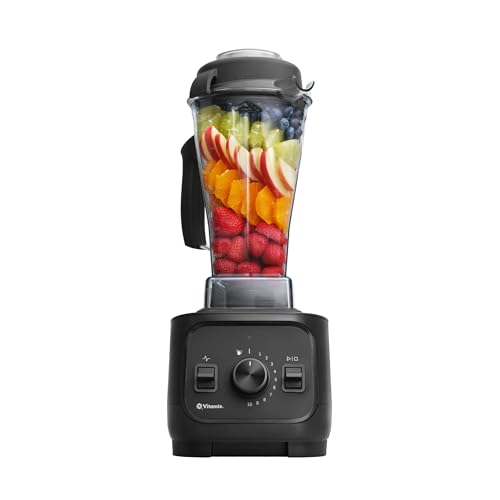
Selecting the right appliance transforms homemade meal preparation from a messy chore into a fast, rewarding routine. For culinary enthusiasts demanding ultra-fine purees and commercial longevity, the Vitamix VX1 Professional-Grade Blender represents our premier top pick. Its classic 64-ounce container, laser-cut blades, and commercial-grade motor handle fibrous vegetables with unmatched precision.
If you want the convenience of cooking raw ingredients directly inside the jar without dirtying stovetop cookware, the ASTRALSHIP 1500W Professional Glass Blender is an outstanding multi-functional option. Its 800-watt internal heater, borosilicate glass pitcher, and 24-hour delay timer make one-touch soup making accessible on any budget.
For home cooks seeking exceptional functionality at an entry-level price, the 1200W Countertop Blender delivers great versatility with 9 one-touch presets and dependable hot-cold processing. Those who prefer blending large batches directly in their Dutch ovens should consider the Vitamix 5-Speed Immersion Blender, 625-Watt Motor. Compare these with additional picks like the Glass Blenders for Kitchen with Tamper in our Heating, Cooling & Air resource section.
FAQs
How do Best High-Speed Blenders for Hot Soups heat liquid without a stove in 2026?
High-speed models heat liquids through rapid friction as blades spin at over 20,000 RPM, transferring kinetic energy into thermal heat within six minutes. Other models feature built-in 800-watt heating elements under a glass pitcher to boil and cook raw ingredients directly.
Can I put boiling hot liquid into any standard kitchen blender?
No, pouring boiling liquids into non-vented or lightweight plastic containers can cause thermal stress cracks and dangerous lid blowouts from expanding steam. Only use blenders equipped with ventilated lid caps and pitchers certified for high thermal resistance.
Is a glass pitcher better than a plastic jar for hot soup preparation?
Borosilicate glass is naturally stain-resistant, odor-free, and handles direct heat from built-in thermal elements without chemical leaching. However, heavy-duty BPA-free Tritan plastic is lighter and more durable against impact during high-speed vortex blending.
What is the benefit of an immersion blender compared to a countertop model?
An immersion blender lets you puree hot ingredients directly inside your stockpot on the stovetop, eliminating messy transfers of boiling liquids. Countertop models, however, deliver significantly more motor power for producing ultra-smooth, seed-free purees.
How much liquid can I safely blend when making hot soup?
You should generally fill a blender container to no more than two-thirds of its rated maximum capacity when processing hot liquids. Leaving substantial headspace allows steam to dissipate safely through the ventilated lid plug without overflowing onto countertops.
Do heating blenders cook raw vegetables from scratch?
Models equipped with integrated thermal heating coils can boil, steam, and cook raw root vegetables before pureeing them into soup. Pure friction blenders require pre-cooked or tender ingredients to achieve a fully cooked soup profile within their standard run cycle.
Why do I need a tamper when making thick vegetable purees?
Tampers push dense chunks like squash, potatoes, and soaked nuts down into the cutting vortex to eliminate air pockets around the blades. This tool ensures rapid processing without requiring you to stop the machine and scrape container walls manually.
How do I clean burnt-on residue from a thermal cooking blender jar?
Run the automated high-temperature cleaning cycle using warm water, mild dish detergent, and a tablespoon of baking soda to lift stubborn residue. For persistent spots on heating plates, let a mixture of warm water and white vinegar soak before wiping with a non-abrasive sponge.
What safety features should I look for in a hot soup blender?
Essential safety features include secure lid-lock detection switches, thermal overload motor protection, and multi-chamber steam vents. These systems prevent high-speed motor operation while the jar is open and regulate internal vapor pressure during long cooking cycles.
Can these appliances make dairy-free nut milks from raw nuts?
Yes, the combination of high-wattage pulverizing blades and thermal heating allows these machines to extract fresh almond, oat, and soy milk. Discover more versatile wellness and meal prep solutions in our Health & Family category.








