

Cutting metal in a residential workshop used to mean wrestling with noisy angle grinders or managing cumbersome oxy-acetylene tanks. Modern inverter technology now allows DIY enthusiasts to slice cleanly through steel, aluminum, and copper right on a garage workbench.
Finding Best Plasma Cutters for Home Use in September 2026 requires balancing cutting power against standard household electrical limits. Exploring our All Reviews section helps hobbyists avoid buying underpowered units that struggle on thicker stock.
We evaluated 7 leading machines from popular manufacturers like ARCCAPTAIN, YESWELDER, bestarc and more to find the most capable cutting tools for DIY spaces. This guide breaks down key specifications, including arc start mechanisms, compressor demands, and dual-voltage versatility.
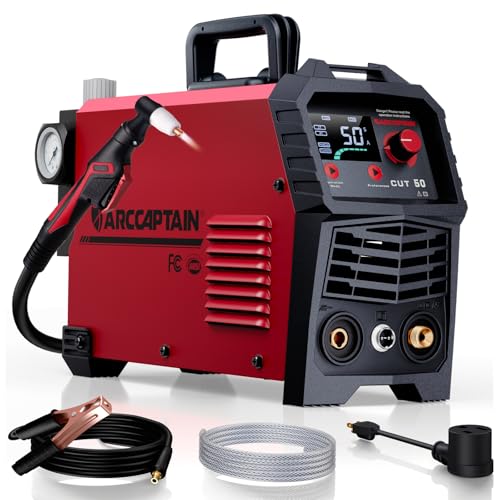


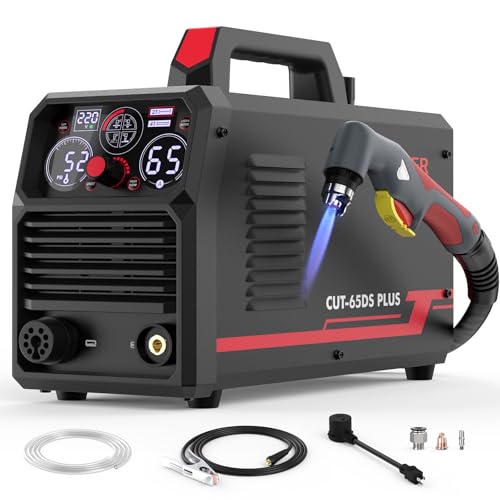
Investing in a plasma cutter can transform your home metal fabrication and automotive repair projects. Understanding the mechanical and electrical specifications ensures you choose a machine that integrates seamlessly with your existing workshop infrastructure.
Dual-Voltage Flexibility (110V vs 220V Input)
Input voltage determines where you can operate your plasma cutter and how much raw cutting power the inverter can deliver. A dual-voltage machine automatically detects whether it is plugged into a standard 110V or 120V household receptacle or a dedicated 220V or 240V outlet.
On a 110V circuit, most machines cap their output between 30 and 35 amps, which is sufficient for slicing 1/4-inch to 3/8-inch mild steel. Stepping up to a 220V power source unlocks the full 50 to 65 amp range, allowing clean cuts through material up to 1/2 inch or 5/8 inch thick.
If your garage only features standard outlets, look for machines with smart auto-sensing circuitry that prevents blown breakers. Keep in mind that running on 110V power requires a dedicated 20-amp breaker to avoid nuisance tripping during extended cutting passes.
Amperage Output and Metal Thickness Ratings
Amperage directly dictates the thickness of metal a plasma arc can melt and blow away cleanly. Manufacturers typically quote two different thickness metrics: clean cut capacity and maximum severance cut capacity.
A clean cut represents the thickness a machine cuts smoothly at a steady travel speed with minimal dross accumulation on the underside. A severance cut is the absolute maximum thickness the torch can push through, which typically leaves rough edges that require substantial grinding.
For general home maintenance, automotive sheet metal, and bracket fabrication, a 50-amp cutter offers an ideal balance of power and efficiency. As a practical rule of thumb, choose a machine rated for 25 percent thicker material than your typical everyday project demands.
Arc Starting Technology: Pilot Arc vs High-Frequency vs Blow-Back
How a plasma cutter initiates its electrical arc significantly affects ease of use, consumable longevity, and electrical interference. Basic scratch-start torches require touching the copper tip directly to bare metal, which accelerates nozzle wear and struggles on dirty surfaces.
Non-touch pilot arc systems create a small electrical spark inside the torch head before transferring the full cutting arc to the workpiece. This allows you to cut directly through painted, rusted, or coated metal without grinding down to bare steel beforehand.
Modern blow-back starting torches eliminate high-frequency electrical noise entirely, protecting sensitive electronics like home computers and CNC control boards. Opting for non-HF pilot arc torches ensures safer operation around modern garage equipment and reduces electromagnetic interference.
Air Compressor Requirements and Pressure Regulation
Plasma cutting requires a steady supply of dry, pressurized air to constrict the electric arc and blow molten metal out of the cut kerf. Operating a plasma cutter without adequate air pressure leads to poor cut quality, rapid nozzle erosion, and sudden torch flameouts.
Most home plasma cutters operate between 50 and 75 PSI and consume between 3.5 and 6.0 standard cubic feet per minute (CFM). A small pancake compressor cannot maintain this volume, so a workshop compressor with at least a 20-gallon tank is recommended for continuous work.
Moisture is the primary enemy of plasma cutting consumables, causing arc instability and pitting inside the swirl ring. Investing in an inline water separator or choosing a cutter with a built-in rear air filter dramatically improves cut smoothness and consumable lifespan.
| Amperage Output | Recommended Air Pressure | Clean Cut (Mild Steel) | Max Severance (220V) | Ideal Application |
|---|---|---|---|---|
| 35A – 40A | 50 – 60 PSI | 1/4 inch (6 mm) | 3/8 inch (10 mm) | Auto body panels, sheet metal art |
| 50A – 55A | 60 – 70 PSI | 1/2 inch (12 mm) | 5/8 inch (16 mm) | Chassis repair, structural brackets |
| 60A – 65A | 65 – 80 PSI | 9/16 inch (14 mm) | 1 inch (25 mm) | Heavy plate cutting, metal gouging |
Duty Cycle and Thermal Management
The duty cycle indicates how many minutes within a ten-minute window a plasma cutter can run continuously before overheating. A rating of 60 percent at 50 amps means the machine can cut for six continuous minutes before needing four minutes of fan cooling.
Home fabricators rarely make continuous six-minute cuts, making a 40 to 60 percent duty cycle more than adequate for intermittent shop tasks. Operating the machine at lower amperages significantly increases the duty cycle, often allowing near-continuous cutting on thin sheet metal.
Look for units equipped with smart cooling fans that run only when internal heat sinks reach designated thermal thresholds. Proper garage airflow also protects sensitive electronics, which you can optimize using tips from our Heating, Cooling & Air guides.
Torch Trigger Modes (2T vs 4T Operation)
Modern plasma cutters feature switchable 2T and 4T trigger modes to reduce operator hand fatigue during different cutting tasks. In 2T mode, the arc starts when you press the torch trigger and stops the moment you release it.
In 4T mode, pressing and releasing the trigger ignites and maintains the cutting arc automatically without needing continuous finger pressure. Pressing and releasing the trigger a second time extinguishes the arc cleanly when the cut is complete.
Using 4T mode is especially beneficial when making long, straight cuts across wide steel plates or following detailed contour templates. It allows you to adjust your hand positioning smoothly without accidentally breaking the cutting circuit midway through a pass.
Post-Flow Air Cooling and Consumable Conservation
When the plasma arc extinguishes, the torch electrode and nozzle remain extremely hot from the intense electrical discharge. Post-flow air cooling keeps compressed air flowing over the torch head for several seconds after the trigger is released.
Adjustable post-flow timers, typically ranging from 3 to 15 seconds, allow users to tailor cooling duration to their operational amperage. Running higher amperages requires longer post-flow durations to prevent copper nozzles from softening and degrading prematurely.
Setting an appropriate post-flow period can double or triple the working lifespan of your electrodes and cutting tips. Replacing consumables less frequently lowers your long-term operating costs and preserves sharp, bevel-free cutting edges.
Digital Displays, Air Sensors, and Smart Diagnostics
Digital LED control panels have largely replaced vague analog dials on modern residential cutting machines. A bright digital readout allows fabricators to view precise amperage settings, incoming line voltage, and real-time air pressure through dark welding helmets.
Advanced models now feature integrated electronic air pressure sensors directly on the front panel rather than relying on rear mechanical gauges. This makes it effortless to verify whether your air compressor is delivering optimal PSI before striking an arc.
Built-in diagnostic screens also display standardized error codes when thermal overloads, low air pressure, or voltage spikes occur. These visual alerts eliminate guesswork during troubleshooting and prevent operators from running the torch under damaging conditions.
Weight, Portability, and Chassis Construction
Thanks to lightweight Insulated Gate Bipolar Transistor (IGBT) inverters, modern plasma cutters weigh a fraction of older transformer units. Most portable home units weigh between 8 and 15 pounds, making them easy to carry up ladders or transport between job sites.
Sturdy metal outer casings and reinforced corner bumpers protect internal circuit boards against accidental drops and workshop debris. An integrated carrying handle or heavy-duty shoulder strap provides extra convenience when navigating tight garage spaces.
Check the length and flexibility of the included ground clamp and torch cable before making a final selection. A torch lead of at least 10 to 13 feet ensures you can work around large vehicle frames without constantly repositioning the power source.
Why You Should Trust Us
Our review process relies on rigorous technical analysis of electrical schematics, inverter duty cycles, and real-world metal cutting specifications. We assess how effectively each machine manages household power constraints while maintaining steady arc velocity and clean edge profiles.
We systematically compare current offerings from brands like ARCCAPTAIN, YESWELDER, bestarc and more against realistic home fabrication requirements. You can discover more tool and workshop organization advice by browsing our Home & Living guides.
By focusing entirely on verified manufacturing data, build quality metrics, and ergonomic torch design, we provide objective recommendations. Our mission is to help you select a dependable metal cutting tool that performs safely within your home budget.
Final Thoughts
Selecting the right machine from our 7 featured options depends on your electrical hookup and typical material thickness. If you want advanced digital controls and app-based parameter monitoring, the ARCCAPTAIN iControl CUT55 Pro Plasma Cutter delivers exceptional precision for serious DIY fabricators.
For budget-conscious metalworkers needing a lightweight, beginner-friendly solution for garage repairs, the Reboot 60A Plasma Cutter Dual Voltage 120V/240V provides remarkable cutting power in a compact package. Its intuitive setup and dual-voltage versatility make it an outstanding choice for first-time plasma users.
Hobbyists tackling demanding restoration jobs with expanded metal grating or gouging tasks will appreciate the YESWELDER CUT-65DS PLUS Plasma Cutter. Fabricators working on custom car trailers or body panels can also consult our Auto & Vehicles hub for related automotive workshop strategies.
Bringing a plasma cutter into your workshop eliminates the dust, noise, and physical effort associated with mechanical cutting wheels. Match your chosen machine to your available air supply and breaker capacity to enjoy clean, effortless metal cutting for years to come.
Frequently Asked Questions
Can I run Best Plasma Cutters for Home Use on a regular 110V household outlet?
Yes, dual-voltage plasma cutters can operate safely on standard 110V or 120V household outlets using an adapter plug. However, cutting current is typically capped around 30 to 35 amps, which limits your clean cutting capacity to metal under 3/8-inch thick.
What size air compressor is required for home plasma cutting?
A compressor delivering at least 4.0 to 6.0 CFM at 60 to 75 PSI with a 20-gallon or larger tank is recommended for home cutting. Smaller portable compressors cannot sustain the continuous volume required, causing pressure drops and inconsistent cuts.
Why is a non-touch pilot arc better for home metal fabrication?
Non-touch pilot arc torches allow you to cut through rusted, dirty, or painted metal without requiring the tip to touch the workpiece directly. This prevents premature nozzle wear, maintains a stable arc across metal mesh, and reduces prep time before cutting.
What is the top-rated option among Best Plasma Cutters for Home Use in 2026 for automotive repair?
For automotive repairs, a 50-amp to 55-amp pilot arc machine offers the best balance of precision on thin body panels and power for frame brackets. Review our full comparison in the All Reviews section to match specific features with your vehicle repair goals.
How often do plasma cutter consumables like nozzles and electrodes need replacement?
Consumable lifespan depends on air dryness, amperage levels, and cutting technique, but a set typically lasts between one and three hours of continuous arc time. Inspect the nozzle orifice regularly and replace it whenever the opening becomes oval or pitted.
Can plasma cutters slice through painted, dirty, or rusted metal?
Plasma cutters equipped with pilot arc technology easily slice through painted, powder-coated, and corroded metals. The high-temperature ionized gas arc vaporizes surface coatings instantly as long as the ground clamp is attached to a clean metal contact point.
What is the difference between clean cut thickness and severance cut thickness?
Clean cut thickness refers to the metal gauge a machine can cut smoothly with square edges and minimal dross at normal travel speeds. Severance cut thickness is the absolute maximum material thickness the arc can pierce, leaving rough edges that require post-cut grinding.
What safety gear is mandatory when using a plasma cutter at home?
You must wear a welding helmet or safety glasses with shade 5 to shade 8 optical filtering to protect your eyes from intense ultraviolet radiation. Heavy leather welding gloves, a flame-resistant jacket, and ear protection are also essential to guard against molten sparks and air noise.
How does post-flow air time affect the lifespan of cutting torch tips?
Post-flow air continues blowing cool compressed gas over the torch electrode and nozzle after the arc turns off. This rapid cooling prevents copper components from overheating, which significantly extends consumable longevity and maintains clean cut geometry.
Can I cut aluminum and stainless steel with a home plasma cutter?
Plasma cutters can slice through any electrically conductive metal, including aluminum, stainless steel, mild steel, copper, and brass. Because aluminum dissipates heat quickly, you may need slightly higher amperage settings compared to cutting standard mild steel of identical thickness.








