

Severe weather events and sudden electrical grid failures can leave entire neighborhoods without electricity for hours or even days. Having a dependable emergency power source at home ensures your family stays safe, warm, and connected during unexpected blackouts.
Modern backup power equipment has progressed far beyond noisy contractor units into ultra-quiet inverter generators and clean battery power stations. In our updated September 2026 guide, we compare 7 top models from Honda, Anker SOLIX, Anker to help you choose the ideal setup for your household needs.
Selecting the right backup system prevents common mistakes like purchasing an underpowered unit that stalls on refrigerator startup or buying equipment too heavy to maneuver. You can also explore our practical recommendations in Home & Living to improve overall household resilience during unexpected emergencies.




Starting Watts vs Running Watts
Understanding the difference between continuous running wattage and surge starting wattage is the most important step in choosing an emergency generator. Appliances with electric compressors, such as full-size refrigerators, sump pumps, and portable air conditioners, demand a quick surge of extra electrical power to start their motors.
Continuous running wattage represents the steady electrical output a generator can deliver safely over hours of non-stop operation. If your combined running load exceeds this rated capacity, your generator will trip its breaker or trigger internal overload protection instantly.
When calculating your household emergency needs, sum the running watts of all essential devices and add the highest single starting surge requirement. For example, a modern kitchen refrigerator typically consumes 150 to 200 running watts but can require up to 1,200 peak starting watts when the cooling cycle begins.
Always maintain a 20 percent safety buffer above your total estimated running requirements. This electrical headroom protects internal engine components, minimizes fuel consumption, and ensures stable operation when multiple appliances switch on simultaneously.
Power Source and Fuel Type Flexibility
Emergency power systems divide broadly into combustion fuel generators and zero-emission lithium iron phosphate battery stations. Traditional gas generators deliver massive continuous power and run as long as fuel is available, while battery stations offer silent indoor operation without exhaust fumes.
Dual-fuel generators that run on both gasoline and propane provide excellent flexibility during widespread regional outages when gas stations lose pumping capability. Liquid propane stores safely for years without degrading, unlike untreated gasoline which can spoil and clog small carburetors within a few months.
Portable battery power stations provide immediate plug-and-play safety directly inside living rooms, home offices, and bedrooms. These units recharge from standard wall outlets before a forecasted storm arrives, or via vehicle 12V ports and rooftop solar panels during prolonged blackouts.
Choose your power source based on where you plan to operate your equipment during extreme winter storms or severe hurricanes. Exploring complementary climate options in our Heating, Cooling & Air resource can also help you plan critical heating backups alongside your electrical supplies.
Inverter Technology and Clean Power Output
Inverter generators produce clean electrical current with low Total Harmonic Distortion (THD), usually measuring under three percent. Standard open-frame contractor generators frequently produce uneven electrical current with harmonic distortion levels reaching ten to twenty percent.
Delicate home electronics like laptops, smart televisions, Wi-Fi routers, and CPAP machines can overheat or suffer permanent motherboard damage from high electrical distortion. Pure sine wave inverter output closely replicates the stable utility grid power supplied by standard residential wall sockets.
Inverter models also adjust their internal engine speed automatically to match the exact wattage demanded by connected appliances. This electronic throttle management cuts fuel consumption drastically and reduces operating noise levels during lighter electrical usage.
If your emergency preparedness plan prioritizes running mobile phones, computers, and computerized medical equipment, investing in clean inverter technology is essential for device longevity.
Battery Capacity, Lifespan, and Standby Efficiency
For battery-based emergency power stations, total storage capacity is measured in watt-hours (Wh) or kilowatt-hours (kWh). A unit with 1,024Wh capacity can theoretically supply a constant 100-watt load for approximately eight to nine hours after factoring in standard inverter efficiency losses.
Internal battery chemistry determines how many years your backup system will remain ready for unexpected emergencies. Modern lithium iron phosphate (LiFePO4) cells deliver 3,000 to 10,000 charge cycles before dropping to 80 percent capacity, providing over a decade of dependable readiness.
Standby efficiency and idle power draw represent another critical factor often overlooked by emergency planners. Advanced power stations feature ultra-low idle consumption of under 10 watts, preventing your stored reserve energy from draining away while waiting for appliances to activate.
Look for power stations that support modular expansion batteries so you can scale your energy reserves as your household backup demands increase over time.
Operating Noise Levels and Neighborhood Compliance
Operating sound volume is measured in decibels (dBA) and determines whether a generator is suitable for dense suburban neighborhoods or urban living. Traditional open-frame engines produce 70 to 80 dBA of continuous noise, which sounds as loud as a commercial lawnmower operating nearby.
Enclosed inverter generators and battery power stations operate between 0 dBA and 58 dBA under typical household loads. Sound ratings below 60 dBA allow you to hold a normal conversation nearby without raising your voice.
Quieter backup systems significantly reduce personal stress during severe weather emergencies and prevent friction with nearby neighbors during nighttime municipal quiet hours. Many residential communities and municipal bylaws enforce strict decibel limits even during declared power emergencies.
Check if your prospective generator features multi-chamber mufflers, enclosed acoustic casing, and vibration-dampening rubber feet to keep operational sound as quiet as possible.
Recharging Speed and Solar Input Capability
When a severe storm is moving in quickly, the ability to fast-charge a battery power station from the wall in under an hour is invaluable. Modern high-speed charging systems allow premium power stations to intake 1,600W to 3,600W directly from standard home outlets without bulky external power bricks.
For extended multi-day electrical outages, solar input capability becomes your most sustainable source of replenishing power. Units supporting solar inputs from 400W up to 2,400W can fully recharge massive battery banks in just a few hours of clear daytime sun.
Ensure your chosen battery station features an integrated Maximum Power Point Tracking (MPPT) solar charge controller. MPPT controllers continuously optimize input voltage and current, extracting up to 30 percent more usable energy during partly cloudy weather conditions.
Having diverse recharge pathways, including wall outlets, vehicle 12V sockets, fuel generators, and solar panels, ensures you never get stranded without backup power when local infrastructure fails.
Outlet Variety, Voltage Options, and UPS Functionality
The type and quantity of output ports determine how many emergency appliances you can connect simultaneously during an outage. Essential configurations include standard 120V household outlets, high-amperage 30-amp twist-lock connections, and high-speed USB-C Power Delivery ports for modern mobile devices.
For homeowners needing to operate heavy-duty appliances like 240V well pumps or central air blowers, dual-voltage 120V/240V capability is required. Connecting a 240V generator to a manual transfer switch allows you to power critical household circuits directly through your home breaker panel.
Uninterruptible Power Supply (UPS) capability with transfer speeds under 10 milliseconds keeps sensitive computer workstations and medical hardware operating seamlessly when wall power drops. This rapid switchover prevents sudden device reboots and protects vital data from corruption.
Look for generators with organized outlet panels featuring dual-sided layouts or clear circuit breakers to prevent cord tangling and accidental electrical overloads.
Safety Protections and Carbon Monoxide Detection
Combustion fuel generators emit toxic carbon monoxide exhaust fumes, requiring outdoor operation placed at least 20 feet away from open windows and doors. Leading portable generators include automatic carbon monoxide detection sensors that shut the engine off immediately if dangerous gas levels accumulate.
Full Ground Fault Circuit Interrupter (GFCI) protection across all standard outlets protects operators from dangerous electrical shocks, especially when managing power cables in damp outdoor conditions. GFCI protection meets stringent jobsite safety standards and provides critical household peace of mind.
For battery power stations, an advanced Battery Management System (BMS) continuously monitors internal cell temperatures, voltage balance, and short-circuit risks. Multi-layer electronic protections ensure safe continuous operation inside living rooms and bedrooms without fire hazards.
Always verify that your equipment meets recognized international safety standards such as UL, ETL, or CSA before connecting high-draw household appliances.
Portability, Frame Durability, and Storage Footprint
During an emergency, you may need to transport your generator across wet grass, over patio thresholds, or into a vehicle storage area. Portable power weights range from under 40 pounds for compact power stations to over 150 pounds for high-capacity industrial fuel units.
Heavier generators must include heavy-duty steel roll cages, folding transport handles, and rugged never-flat wheels to allow manageable movement by a single individual. Balanced weight distribution prevents awkward tipping when navigating uneven ground during storm recovery.
For indoor battery stations, compact rectangular footprints and integrated carrying handles make room-to-room repositioning straightforward during changing emergency conditions. Space-saving designs also allow convenient off-season storage inside home closets or garage shelving units.
Ensure your storage location remains dry and easily accessible so you can deploy your emergency equipment within minutes when severe weather strikes.
Emergency Generator Specification Comparison
The table below highlights the essential performance attributes and operational trade-offs across common emergency power formats to help you select the right system for your home.
| Power System Type | Typical Continuous Output | Primary Fuel or Source | Indoor Safe | Noise Rating | Best Household Use |
|---|---|---|---|---|---|
| Compact Battery Power Station | 1,000W to 2,000W | AC Wall, Solar, 12V DC | Yes (Zero Emissions) | 0 to 45 dBA | Refrigerators, CPAP, phones, indoor living spaces |
| Heavy Battery Power Station | 2,000W to 3,600W | AC Wall, High-Voltage Solar | Yes (Zero Emissions) | 0 to 50 dBA | Multi-day appliance backup, power tools, subpanels |
| Compact Inverter Generator | 1,800W to 2,200W | Gasoline | No (Outdoors Only) | 48 to 57 dBA | Sensitive electronics, quiet neighborhood outages |
| Dual-Fuel Inverter Generator | 3,500W to 4,500W | Gasoline and Liquid Propane | No (Outdoors Only) | 58 to 68 dBA | Extended blackouts, RV backup, multiple large appliances |
| Industrial Heavy-Duty Generator | 5,000W to 7,000W+ | Gasoline | No (Outdoors Only) | 63 to 72 dBA | Whole-home transfer switch, 240V well pumps, job sites |
Why You Should Trust Us
Our editorial team analyzes power equipment by evaluating technical specifications, verified engineering data, safety certifications, and real-world runtime metrics. We examine continuous wattage ratings, peak surge capacities, inverter total harmonic distortion levels, and battery cell chemistry lifespans to provide transparent recommendations.
We stay updated on evolving electrical safety standards, carbon monoxide mitigation guidelines, and solar recharging technologies across the emergency preparedness industry. Our evaluations focus strictly on objective data points, helping you choose reliable backup hardware without commercial bias.
We routinely re-evaluate our power guides as new battery technologies, fuel-efficient engines, and hybrid power stations enter the market. This ongoing review process ensures our emergency power recommendations remain current, practical, and dependable for homeowners facing unpredictable weather events.
Final Thoughts
Selecting the right backup system depends directly on the specific appliances you need to keep running and whether you require indoor operation. For versatile indoor backup that recharges rapidly and safely powers kitchen refrigerators, computers, and medical equipment, we recommend the Anker SOLIX C1000 Gen 2 Portable Power Station. Its compact footprint, long-lasting LiFePO4 cells, and ultra-fast 49-minute AC recharge make it an outstanding all-around choice for residential storm prep.
For budget-conscious homeowners seeking dependable outdoor fuel generation with pure inverter output, the Oxseryn Power Equipment 4400 Watts Inverter offers impressive wattage and efficiency for household essentials. If you prefer the security of dual-fuel flexibility with push-button starting, the WEN 4,750-Watt 120V/240V Dual Fuel provides strong performance on both gasoline and stored liquid propane.
When high starting capacity and industrial reliability are essential for heavy tools or large household transfer switches, the Honda EB5000 5000 Watt 120/240V Quiet Generator delivers robust continuous power backed by intelligent voltage regulation and CO-MINDER protection. For ultra-quiet operation in dense neighborhoods, the Honda EB2200i 2200 Watt 120V Super Quiet Inverter remains a gold standard in fuel efficiency and acoustic dampening.
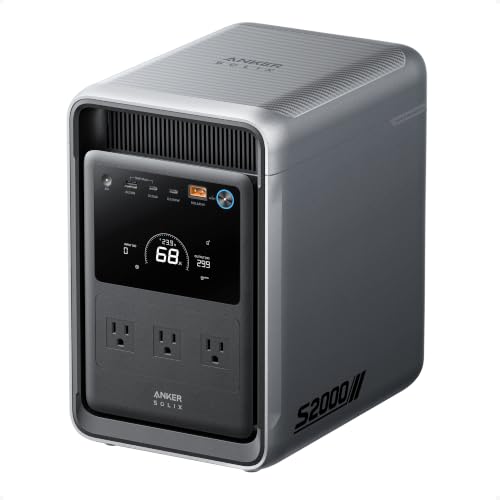
If you require massive multi-day off-grid storage with high-voltage solar capability, the Anker SOLIX F3000 Portable Power Station, 3,072Wh and the lightweight Anker SOLIX S2000 Portable Power Station, 2,010Wh provide exceptional zero-emission capacity. Explore our comprehensive reviews across All Reviews to discover additional high-performance solutions for your household preparedness plan.
Frequently Asked Questions
How many watts do I need in Best Portable Generators for Emergency Power during a blackout?
For basic emergency needs like keeping a refrigerator cold, charging mobile phones, running LED lights, and powering a Wi-Fi router, a unit offering 1,000 to 2,000 running watts is generally sufficient. If you need to run high-draw appliances like sump pumps, space heaters, or microwave ovens simultaneously, aim for 3,500 to 5,000 running watts with adequate surge headroom.
Can I run Best Portable Generators for Emergency Power inside my home or apartment?
Gasoline and propane generators must never be operated indoors, inside garages, or near open windows due to deadly carbon monoxide exhaust. Only zero-emission battery power stations are safe for direct indoor use inside bedrooms, apartments, and enclosed living areas during an outage.
What makes an inverter generator better than a standard generator for electronics?
Inverter generators convert raw alternating current to direct current and back into clean alternating current, producing pure sine wave electricity with very low harmonic distortion. This clean power prevents delicate microprocessors in laptops, smart televisions, and medical equipment from overheating or suffering electrical damage.
How long will a 1,000Wh or 2,000Wh battery power station keep a refrigerator running?
A standard modern refrigerator consumes approximately 150 to 200 watts when actively cooling and cycles on for roughly twenty minutes per hour. A 1,024Wh station typically powers an efficient refrigerator for 12 to 16 hours, while a 2,010Wh station can sustain refrigeration for up to 35 hours under normal household conditions.
What is the top-rated option among Best Portable Generators for Emergency Power in 2026 for solar recharging?
Units equipped with high-voltage solar inputs and integrated MPPT charge controllers offer the most dependable off-grid solar performance. Modern high-capacity battery stations can accept up to 2,400W of solar input, allowing you to fully replenish substantial battery banks within several hours of clear sunlight.
How often should I run maintenance on a gas-powered emergency generator?
You should exercise a gas generator every two to three months by running it under a light electrical load for fifteen to twenty minutes. Always add a fuel stabilizer to gasoline storage containers, change the engine oil annually, and inspect the spark plug and air filter before severe storm seasons begin.
Why is dual-fuel capability advantageous for emergency storm preparedness?
Dual-fuel generators give you the option to switch between standard gasoline and liquid propane tanks depending on regional fuel availability. Propane cylinders can be stored safely for years without going stale or gumming up internal carburetor jets, making them ideal for long-term emergency readiness.
What is the difference between starting watts and running watts?
Running watts represent the continuous electrical energy an appliance requires to operate constantly over time. Starting watts represent the momentary power spike, often lasting only a few seconds, needed to kickstart heavy electric motors in appliances like refrigerators, well pumps, and air conditioning units.
Do portable power stations lose their charge while sitting in storage?
High-quality LiFePO4 battery power stations have very low self-discharge rates, typically losing only one to three percent of their stored charge per month. However, it is best practice to inspect your battery station every three to six months and top it off to ensure complete emergency readiness.
Can I connect a portable generator directly to my home electrical panel?
You can connect a portable generator to your home breaker panel only through a professionally installed manual transfer switch or interlock kit. Never plug a generator directly into a standard wall socket, as this causes dangerous backfeeding that can electrocute utility line workers repairing the local power grid.








