

Moving gallons of near-boiling liquid across a brew space creates significant physical strain and serious safety hazards. Upgrading your equipment setup with dedicated fluid transfer gear eliminates heavy lifting while keeping mash temperatures stable and transfer lines clean.
Our updated guide highlights 5 Best Pumps for Home Brewing for September 2026, comparing heavy-duty magnetic drive units against compact electric transfer siphons. Whether you need continuous mash recirculation or effortless bottle filling, our research breaks down the essential mechanical factors.
Selecting the right model protects your motor from overheating and shields your finished beer from oxidation during packaging. To explore more in-depth buying advice across specialized equipment categories, check out our comprehensive All Reviews section.
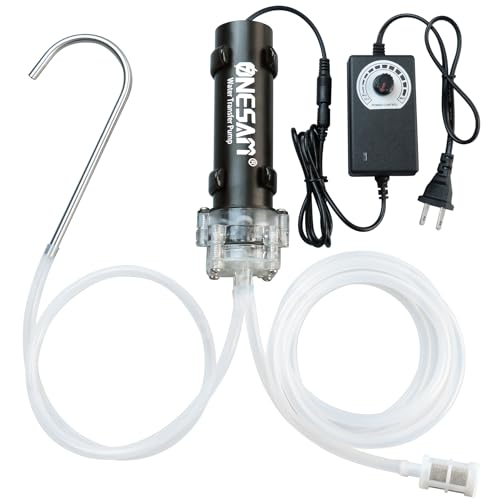


Brewing requires moving liquid at varying temperatures, volumes, and viscosities throughout the process. Understanding the engineering differences between magnetic drive units and small-scale transfer pumps ensures you select the right tool for your specific setup.
Magnetic Drive vs Direct Drive Mechanics
Magnetic drive pumps represent the industry benchmark for hot wort handling because they completely isolate the electric motor from the liquid chamber. Instead of a spinning drive shaft passing through a mechanical seal, an internal magnetic impeller couples with an external motor magnet across a sealed barrier. This design eliminates traditional shaft seals, which inevitably leak, degrade under heat, or harbor bacterial contaminants.
When comparing pump architectures, look closely at the housing separation and impeller mounting. Direct-drive units rely on rubberized O-rings and spinning seals that wear down quickly when exposed to grain particulate and hot sugars. A true magnetic coupling provides zero liquid path to the motor casing, safeguarding the internal electrical coils from catastrophic moisture damage.
For hot-side brewing operations such as mashing and boiling, a magnetic drive is mandatory for safety and equipment longevity. Direct drive or small diaphragm siphons remain useful exclusively for cold-side transfers, such as racking fermented beer or bottling finished beverages at room temperature.
Thermal Tolerance and Wort Boiling Temperatures
Wort transfers frequently take place right off the boil at temperatures between 200°F and 212°F (93°C to 100°C). High-end brewing pumps must feature thermal thresholds rated up to at least 120°C (248°F) to prevent head warping, impeller deformation, or chemical leaching. Pumping boiling wort through an under-rated pump head risks structural failure and introduces harmful plastic compounds into your beer.
Check the technical specifications for maximum continuous fluid operating temperatures before making a purchase. Magnetic drive units built with stainless steel heads and high-temperature polysulfone or stainless impellers handle near-boiling temperatures without loss of structural rigidity. In contrast, standard utility siphons often max out at 50°C to 60°C (122°F to 140°F) and should never touch hot kettle wort.
A practical rule of thumb is to verify thermal ratings on all connected components, including silicone hoses, camlock gaskets, and valve seals. If any single component in the transfer chain is not rated for boiling temperatures, you risk dangerous equipment failure mid-transfer.
Priming Requirements and Gravity-Feed Placement
Most dedicated magnetic drive brewing pumps are centrifugal and non-self-priming, meaning they cannot pull air out of an empty line. These units require flooded suction, where gravity forces liquid down into the pump head before the motor is activated. Running a magnetic pump dry causes immediate friction damage to the internal thrust washer and impeller shaft.
To ensure consistent priming, install your magnetic brew pump at least 12 inches below the bottom drain valve of your kettle or mash tun. Always open the kettle valve and bleed air through an outlet bleeder valve until solid liquid fills the pump head. Only after fluid completely saturates the housing should you turn on electrical power.
Conversely, compact electric bottling pumps and USB siphons often incorporate self-priming diaphragm mechanisms capable of drawing fluid from above a vessel. Understanding whether your chosen model requires gravity flooded suction or self-priming prevents motor burnout and stuck transfers during brew day.
Flow Rate Regulation and Mash Recirculation
Flow rate control is essential when performing continuous recirculation during the mash or running wort through a plate heat chiller. If fluid moves too rapidly through a grain bed, it compacts the grain and causes a stuck mash. Conversely, running too slowly through a counterflow chiller results in inadequate cooling rates.
With magnetic drive pumps, you can safely throttle the flow rate by installing a ball valve on the outlet side of the pump head. Because the impeller is magnetically coupled, restricting the discharge line simply creates minor magnetic slip without placing extra strain on the electric motor. However, you must never restrict the inlet line, as starving the intake causes cavitation, turbulence, and severe impeller wear.
For cold transfers and bottling tasks, look for units featuring integrated variable speed dials or adjustable DC adapters. Having direct electronic control over output volume allows you to fill bottles smoothly at 2 liters per minute without excessive foam generation or splashing.
| Pump Category | Max Temperature | Priming Mechanism | Primary Brewing Application |
|---|---|---|---|
| Magnetic Drive (304 Stainless) | 120°C / 248°F | Flooded Suction (Gravity) | Mash recirculation, kettle whirlpooling, plate chiller cooling |
| Electric Siphon (110V AC) | 60°C / 140°F | Self-Priming / Diaphragm | Fermenter transfers, carboy racking, bottling line feed |
| Compact USB Siphon (5V DC) | 50°C / 122°F | Self-Priming / Mini Impeller | Small-batch racking, kombucha bottling, table-top transfers |
Food-Grade Construction Materials and 304 Stainless Steel
Every single surface that touches your wort or beer must be certified food-grade and impervious to acidic liquids. Unhopped and hopped wort is mildly acidic, with a pH range typically between 5.0 and 5.6 during mashing and boiling. Non-food-grade metals or low-quality alloys will corrode, imparting harsh metallic off-flavors into your finished batch.
Pump heads constructed from 304 stainless steel offer the ultimate combination of structural durability, corrosion resistance, and thermal tolerance. Stainless steel stands up to aggressive chemical cleaners, high-temperature sanitizing solutions, and physical knocks during brew day setup. Food-grade silicone sealing rings and PTFE washers ensure leak-proof performance without degrading over multiple brewing seasons.
When choosing small utility transfer pumps, verify that the internal casing and hoses carry food-safe certifications. If you also manage domestic gear around the household, explore our Home & Living resource section for practical maintenance guidance.
Fitting Compatibility and Thread Standards
Connecting your pump to kettles, chillers, and fermenters requires standardized plumbing threads and secure hose adapters. The universal standard for homebrewing hardware is the 1/2-inch National Pipe Taper (NPT) or British Standard Pipe (BSP) thread. Choosing a pump head with standard 1/2-inch NPT male or female ports ensures effortless compatibility with existing brewing hardware.
Pairing your pump with stainless steel quick-disconnect fittings or camlock couplers drastically speeds up your brew day workflow. Quick disconnects allow you to switch hose pathways instantly between mash recirculation, kettle transfers, and chiller loops without unthreading tight fittings. Always apply food-grade PTFE thread seal tape across all threaded connections to eliminate air leaks and dripping fluid.
Make sure the inner diameter of your barb fittings matches your high-temperature silicone tubing, typically 1/2-inch inner diameter for hot wort and 3/8-inch or 1/4-inch for bottling lines. Oversized fittings restrict flow, while undersized barbs risk slipping under moderate liquid pressure.
Motor Run-Time Limits and Heat Dissipation
Brewing processes like extended 90-minute mashes, whirlpool additions, and slow chilling cycles demand sustained motor operation. Continuous duty generates significant heat within the motor casing, which must be dissipated effectively to prevent thermal cutoff or permanent winding damage. Aluminum alloy motor housings with integrated cooling fins provide superior heat dissipation compared to enclosed plastic bodies.
Pay close attention to manufacturer recommendations regarding continuous operational limits. Many compact magnetic pumps and electric siphons specify a maximum continuous run time of 1 to 2 hours before requiring a short cool-down rest. Ignoring these limits causes internal thermal fuses to trip, halting transfers mid-boil.
To maximize motor lifespan, keep the motor casing free of moisture splashes and position the unit in a well-ventilated area beneath your brew stand. Adding an inline power switch allows you to power down the pump instantly without fumbling with wall plugs.
Disassembly and Sanitary Clean-in-Place Maintenance
Even small traces of residual wort left inside a pump head can harbor wild yeast and bacteria that ruin subsequent batches. A high-quality brewing pump must support both clean-in-place (CIP) circulation and complete manual teardown for periodic visual inspection. Pumps with front-facing screws or tri-clamp housings make regular internal cleaning fast and painless.
After completing brew day transfers, immediately flush your pump by circulating warm water mixed with an alkaline brewery wash like PBW or sodium percarbonate. Circulating hot cleaning solution for 10 minutes strips out hop resins and caramelized sugars from the impeller cavity. Follow this cleaning cycle with a clean water rinse and an acid-based sanitizer circulation.
Disassemble the pump head every few brew cycles to inspect the ceramic thrust washer, impeller blades, and O-ring seals. Storing the pump with its housing completely dry prevents mineral scale buildup and preserves seal elasticity.
Power Configurations and Voltage Requirements
Brewing pumps generally fall into two distinct power classes: standard 110V/120V AC household current and low-voltage 5V to 12V DC power supplies. High-output magnetic drive pumps operate on 110V AC power, delivering the head pressure and flow volume needed to push wort through restrictive plate chillers. These units require a grounded outlet and a safe, water-resistant electrical setup near your brew stand.
On the other hand, compact electric siphons powered via 5V USB connections or 12V DC transformers provide unparalleled portability. These lower-voltage pumps operate quietly and can run off portable power banks, making them ideal for small-scale kitchen brewers or outdoor bottling sessions. However, DC motors produce lower head pressure and cannot lift heavy wort volumes across tall vertical distances.
Match your power choice to your brewing batch size and physical environment. Large 5-gallon to 10-gallon all-grain batches demand the torque of a 110V magnetic motor, while 1-gallon fermenter racking is perfectly handled by a compact DC siphon.
Why You Should Trust Us
Our gear evaluations are rooted in rigorous specification analysis, material certification tracking, and thermal tolerance verification. We cross-reference electrical duty cycles, impeller construction standards, and flow curve metrics across leading brewing hardware manufacturers. We do not accept sponsored product placements, ensuring every evaluation reflects objective equipment capabilities.
We analyze real-world user performance data, focusing on long-term seal reliability, motor noise profiles, and thermal endurance during extended mashing cycles. By comparing documented specifications against verified brewing workflows, we identify which pumps handle rigorous brew days and which models fall short under heat stress.
Our database updates continuously to reflect changes in manufacturing revisions, included accessory kits, and safety certifications. This commitment guarantees that our recommendations reflect dependable, up-to-date hardware ready for your brew space.
Final Thoughts
Choosing the right pump transforms your brew day from an exhausting physical chore into an efficient, controlled process. For homebrewers running all-grain setups with plate chillers and hot wort recirculation loops, the FERRODAY Wort Brewing Pump serves as our top overall recommendation. Its 304 stainless steel head, included quick-disconnect kit, and high-temperature magnetic drive provide exceptional thermal safety and durability.
If you need a dependable magnetic drive unit for kettle recirculation on a moderate budget, the Wort Beer Pump for Brewing delivers robust 304 stainless steel construction and a convenient inline power switch. For identical magnetic drive mechanics without the extra quick-disconnect accessories, the FERRODAY Wort Brewing Pump offers another reliable hot-side transfer option.
For cold-side operations like fermenter racking, bottling, and transferring wine or kombucha, the Food Grade Electric Water Transfer Pump Siphon provides adjustable speed control and food-grade safety. Brewers seeking ultra-portable, low-noise bottle filling from small carboys will appreciate the Portable USB Electric Auto siphon Self Priming for its plug-and-play simplicity.
Investing in the proper fluid transfer equipment protects your beer quality and keeps your brewing space safe. To explore additional equipment reviews and lifestyle upgrades, check out our guides in Furniture & Comfort as well as our specialized analysis on best breast pumps for first time moms.
FAQs
Why is a magnetic drive essential for Best Pumps for Home Brewing?
Magnetic drive pumps completely eliminate direct mechanical drive shaft seals, which are prone to leaks and bacterial buildup. The motor spins an external magnet that drives the impeller through a solid barrier, preventing electrical shorts and keeping wort strictly sanitary.
Can Best Pumps for Home Brewing handle liquids at boiling temperatures?
Pumps equipped with stainless steel heads and high-temperature magnetic drives are rated to handle liquids up to 120°C (248°F). This allows you to safely recirculate boiling wort, sanitize plate chillers with hot kettle liquid, and whirlpool without warping the pump head.
Why do magnetic brewing pumps need to be mounted below the kettle?
Centrifugal magnetic drive pumps are not self-priming and cannot draw air through an empty intake hose. Installing the pump at least 12 inches below the liquid source allows gravity to flood the pump chamber before the motor starts, preventing friction damage.
How do you properly prime a brewing pump before powering it on?
Connect your intake hose from the kettle valve to the lower pump port, open the kettle valve, and allow liquid to fill the housing. Open the pump outlet valve or a bleeder port to release trapped air until a solid stream of liquid flows, then turn on the motor.
Will restricting the output valve damage a magnetic drive pump motor?
Restricting flow on the outlet discharge valve is completely safe with magnetic drive pumps because the impeller will slip magnetically without bogging down the motor. However, you must never restrict the intake line, as this starves the pump and creates cavitation.
How do you clean and sanitize a brewing pump after use?
Immediately after brew day, circulate warm water mixed with an alkaline brewery cleaner like PBW through the pump for 10 minutes. Follow with a clean water rinse and a brief circulation of no-rinse sanitizer, then drain and allow the housing to dry completely.
What happens if a brewing pump runs completely dry?
Running a magnetic pump dry causes immediate friction and heat buildup between the spinning impeller, ceramic shaft, and thrust washer. Without liquid acting as a lubricant and coolant, the internal components will rapidly melt, crack, or seize.
Can I use Best Pumps for Home Brewing in 2026 for wine, cider, or kombucha?
Yes, food-grade transfer pumps and siphons are fully compatible with wine, hard cider, and kombucha. Electric siphons with adjustable speed dials are especially useful for gentle racking between demijohns without disturbing yeast sediment.
What is the recommended continuous run time for homebrew pumps?
Most compact homebrew magnetic pumps and small transfer motors should not be run continuously for more than 2 hours. Allowing the motor a brief 10 to 15 minute rest prevents internal winding overheating and extends overall equipment life.
How do quick disconnect fittings improve the brewing workflow?
Quick disconnect fittings let you switch hose lines instantly between mash recirculation, chilling loops, and fermenter fills without unthreading fittings. This reduces brew day setup time, minimizes hot liquid spills, and prevents thread wear on pump ports.








