

Maintaining a lush Zoysia lawn requires equipment that slices through stiff, dense turf blades cleanly without ripping or tearing. Standard rotary blades often shred the tips of fine warm-season grasses, leaving behind brown edges and inviting disease into the yard.
Reel mowers use a precise scissor-cutting action that shears each blade of grass against a stationary bedknife. This mechanical action creates a manicured, golf-course finish while promoting stronger root growth and tighter turf density throughout the growing season.
We analyzed 5 top options for September 2026 to determine which manual models handle tough turfgrass varieties effectively. Explore our complete collection in All Reviews to discover top-rated outdoor equipment designed for modern homes.



Reel Blade Count
Blade count dictates how frequently the spinning cylinder contacts the grass as you push the machine forward. Standard cool-season lawns often do well with 4 or 5 blades, but dense grasses like Zoysia demand higher cutting frequencies.
A 7-blade reel increases the number of cuts per forward foot of travel, preventing the mower from skipping over stiff, wiry stems. Choosing a higher blade count ensures every single leaf blade is sheared evenly on the very first pass.
When shopping for turf equipment, prioritize 7-blade configurations if your lawn consists of fine-textured cultivars like Zeon or Emerald. A 5-blade setup can suffice for coarser varieties like Zenith, provided you mow on a strict, frequent schedule.
Cutting Height Range and Micro-Adjustability
Zoysia thrives when maintained at lower heights between 0.5 inches and 2 inches depending on the specific cultivar. Standard rotary mowers rarely adjust below 1.5 inches without scalping uneven ground, making a dedicated reel necessary for low-cut turf.
Examine the minimum and maximum height settings on the wheel brackets and rear roller assembly before purchasing. A mower that adjusts down to 0.5 inches allows you to achieve a tight, fairway-level aesthetic during peak summer growth.
Look for toolless adjustment levers that allow quick changes in quarter-inch increments across both sides of the chassis. Even height distribution prevents uneven ridging and ensures your lawn maintains a uniform canopy across the entire yard.
Cutting Width and Maneuverability
Cutting width typically ranges from 16 inches to 20 inches on residential push reel mowers. A wider deck covers more square footage per pass, reducing total mowing time on wide open turf sections.
However, wider reels increase pushing resistance significantly because more steel blades contact the grass simultaneously. In dense Zoysia turf, an 18-inch or 20-inch reel requires noticeable physical effort when navigating slight slopes or thick patches.
For yards under 4000 square feet with landscape beds and tight corners, a 16-inch cutting width offers the ideal balance of coverage and agility. You can also explore functional yard tools and property solutions in our Home & Living section.
Blade Material and Heat Treatment
The durability of the cutting edge directly impacts how cleanly your mower performs over multiple seasons. Zoysia leaf blades contain high levels of silica, which can rapidly dull low-grade stamped carbon steel components.
Opt for reels manufactured from heat-treated alloy steel that resist abrasive wear from sandy soil and thick stems. Hardened steel edges maintain their factory sharpness much longer, reducing the frequency of mechanical backlapping and blade sharpening sessions.
Check whether the bedknife is also heat-treated and ground with high precision. A matched pair of hardened cutting surfaces creates a self-honing effect that keeps tolerances razor-sharp throughout regular seasonal maintenance routines.
Wheel Diameter and Drive Gearing
Wheel size determines how effortlessly the push mower rolls over uneven dirt and thick turf mats. Large 10-inch composite wheels provide superior mechanical leverage, preventing the chassis from sinking into plush grass carpets.
Internal drive gears transfer the rotational motion from the rolling wheels to the spinning cylinder reel. Premium mowers utilize sealed ball bearings and metal drive pinions to maximize gear efficiency and minimize user pushing fatigue.
Ensure the wheel tread pattern offers deep rubberized or molded grip without tearing the turf during sharp turns. Dual tracking wheels ensure constant contact with the ground, maintaining steady reel rotation even on damp morning grass.
Bedknife Adjustment System
The bedknife is the fixed horizontal blade that the spinning reel passes against to execute clean cuts. Proper clearance between the reel blades and bedknife is crucial to prevent binding while ensuring complete leaf shearing.
Mowers equipped with micro-adjustment spring screws make it simple to set the clearance to the thickness of a sheet of paper. Systems with coarse adjustment bolts often slip out of alignment, resulting in uneven cuts and chewed grass tips.
Test the blade alignment periodically by performing a classic paper-cut test along the entire length of the bedknife. If the reel cleanly cuts paper at every point, it will effortlessly shear through dense warm-season grass blades.
Grass Clipping Management and Catcher Compatibility
Because Zoysia turf grows dense and produces tough thatch, managing clippings is vital for long-term lawn health. Fine micro-clippings from frequent reel mowing can decompose quickly, returning valuable nitrogen back into the soil structure.
However, if you mow infrequently and cut off more than one-third of the leaf blade, heavy clippings can smother the canopy. Using a compatible rear grass catcher bag allows you to collect excess material and prevent unwanted fungal growth.
Look for catcher attachments made from rot-resistant polyester fabric supported by sturdy wireframes. Quick-release hooks make emptying clippings into the compost bin fast and effortless without requiring tools during your yard work routine.
Ergonomic Handle Design and Weight Distribution
Pushing a mechanical reel mower requires continuous physical effort, making handle ergonomics an important buying consideration. Ergonomically shaped loop handles with cushioned foam grips reduce hand fatigue and blister formation during extended sessions.
Total unit weight typically sits between 20 and 30 pounds on high-quality residential reel models. A slightly heavier chassis keeps the cutting head planted on thick grass, preventing the mower from bouncing over high spots.
Choose a model that features adjustable handle angles to accommodate users of different heights comfortably. Proper handle alignment ensures your pushing force is directed downward and forward through the drive wheels with minimal lower back strain.
Maintenance and Sharpening Requirements
Every manual reel mower requires periodic maintenance to preserve its cutting precision and extend equipment lifespan. Annual backlapping with abrasive valve grinding compound reshapes the mating edges of the blades and bedknife without removing metal unnecessarily.
Some premium mowers include dedicated hand sharpeners or backlapping crank kits right in the retail packaging. Having access to simple maintenance tools saves significant money compared to taking the reel to a commercial service shop.
Keep a can of silicone lubricant or light machine oil handy to coat the steel components after each use. Rinsing dirt away and oiling the contact surfaces prevents oxidation and ensures the reel spins freely for years to come.
Reel Mower Specifications Comparison
Comparing key physical specifications side by side helps you select the ideal chassis size and cutting capacity for your specific property layout. The table below outlines standard dimensions, blade counts, and height capabilities found across popular models.
| Feature | Compact 16-Inch 7-Blade | Standard 16-Inch 5-Blade | Wide 18-Inch 7-Blade |
|---|---|---|---|
| Blade Configuration | 7 Heat-Treated Blades | 5 Alloy Steel Blades | 7 Heat-Treated Blades |
| Cutting Width | 16 Inches | 16 Inches | 18 Inches |
| Height Range | 0.5″ to 2.5″ | 1.0″ to 2.5″ | 1.0″ to 3.0″ |
| Ideal Grass Type | Fine Zoysia & Bermuda | Coarse Zoysia & Fescue | Large Zoysia Lawns |
| Wheel Diameter | 10 Inches | 10 Inches | 10 Inches |
Why You Should Trust Us
Our evaluation process relies on comprehensive technical analysis of mechanical turf equipment, blade engineering, and manufacturer build standards. We systematically evaluate blade metallurgy, gear ratios, chassis stability, and cutting height parameters across major lawn care brands.
We consult agronomic research on warm-season turfgrass maintenance to establish strict performance benchmarks for clean cutting and thatch control. Our comparisons synthesize verified hardware specifications, user feedback trends, and long-term durability reports to deliver unbiased purchasing advice.
We continuously monitor product updates, design revisions, and replacement component availability to keep our recommendations relevant. Our goal is to equip property owners with clear, actionable insights so they can invest in reliable yard tools with complete confidence.
Final Thoughts
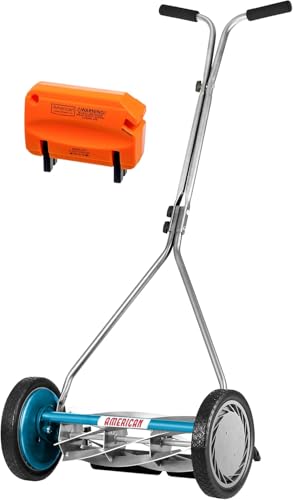
Selecting the right mower depends on the cultivar of your Zoysia lawn, the size of your yard, and how low you prefer to maintain the turf canopy. For most homeowners seeking a manicured finish, the American Lawn Mower 2607-16 16-Inch 7-Blade Reel is our best overall pick thanks to its ultra-low half-inch cutting capability and bundled hand sharpener.
If you have a tighter budget and maintain a coarse variety like Zenith at a slightly taller height, the LawnMaster LMRM1602 Push Reel Lawn Mower 16-Inch represents exceptional value. Its lightweight chassis and 4-position height adjusters make routine weekend maintenance effortless and budget-friendly.
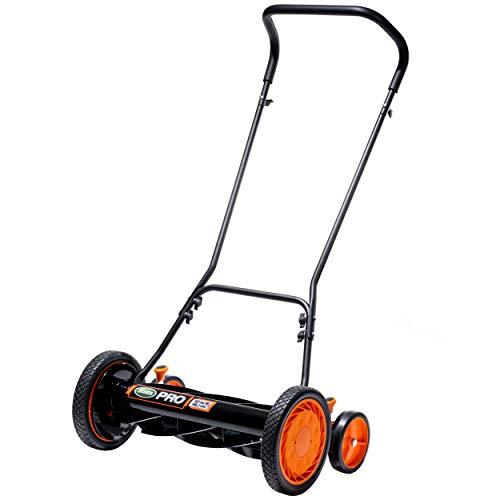
For expansive residential lawns where maximizing coverage per pass is the top priority, we recommend the Scotts 18-Inch 7-Blade Push Manual Reel Lawn Mower. Its wider 18-inch cutting path and included grass catcher allow you to manage large turf areas without leaving thick clippings behind.
Whichever model you choose, committing to a consistent mowing schedule will reward you with a dense, vibrant lawn that outcompetes weeds naturally. Regular blade lubrication and proper seasonal storage will keep your manual push reel operating smoothly for many seasons.
Frequently Asked Questions
Why is a 7-blade reel better than a 5-blade reel for Zoysia grass?
Zoysia features dense, stiff leaf blades that require frequent contact with cutting edges to prevent skipping and tearing. A 7-blade reel provides a significantly higher clipping frequency per foot of forward motion, resulting in an exceptionally smooth and even finish.
What is the top-rated option among Best Reel Mowers for Zoysia in 2026?
Models equipped with 7 heat-treated alloy steel blades and adjustable heights starting at 0.5 inches rank highest for warm-season turf care. These specifications provide the precision required to maintain tight, golf-course quality turf without scalping or damaging root crowns.
How short should I cut my Zoysia lawn with a manual reel mower?
Fine-textured cultivars like Emerald and Zeon flourish when cut between 0.5 and 1.5 inches during active summer growth. Coarser varieties like Zenith prefer heights between 1.5 and 2.0 inches to maintain optimal carbohydrate storage and drought tolerance.
How often do I need to mow Zoysia with a push reel mower?
During peak summer growth, you should mow every 4 to 5 days to adhere to the one-third rule and avoid removing too much green leaf tissue. Reel mowers work best on short grass growth, making frequent light cuts much easier to push than sporadic heavy sessions.
Can a manual reel mower handle overgrown Zoysia turf?
Manual reel mowers struggle in tall, overgrown grass because the spinning cylinder tends to push tall stems forward rather than slicing them. If your lawn has grown beyond 3 inches, you should cut it down gradually with a rotary mower before resuming regular reel maintenance.
How do I sharpen the blades on my manual reel mower?
You can maintain sharp edges by backlapping the reel with abrasive grinding paste applied across the blade edges while rotating the cylinder backward. Handheld sharpening tools with abrasive stones can also touch up minor nicks and restore keen slicing edges quickly at home.
Should I bag or mulch grass clippings when reel mowing Zoysia?
When mowing frequently, fine micro-clippings can be left on the turf to break down naturally and enrich the soil with valuable nitrogen. However, if you are cutting after rain or trimming heavy growth, using a rear catcher prevents thick clumps from suffocating the turf canopy.
Are manual reel mowers hard to push on dense turf?
Pushing resistance is moderate if you maintain proper blade sharpness, set correct bedknife clearance, and mow before the grass grows too tall. Models equipped with large 10-inch ball-bearing wheels roll smoothly over the lawn and minimize physical strain during operation.
How do I perform the paper test on a reel mower?
Insert a strip of standard printer paper between one reel blade and the stationary bedknife, then carefully rotate the cylinder forward by hand. The mower should cleanly slice the paper like a pair of sharp scissors at every point along the entire blade width.
Can I use a reel mower when the grass is wet?
Mowing wet grass with a manual reel is not recommended because damp blades stick to the cutting cylinder and increase friction against the bedknife. Wet soil also increases wheel slippage, preventing the internal drive gears from spinning the reel at optimal cutting speeds.








