

Ground-source climate systems provide exceptional home comfort and industry-leading energy efficiency throughout every season. Heating and cooling your home with ground loops requires a controller that understands multi-stage heat pump mechanics. Standard thermostats often trigger expensive electric resistance strips unnecessarily, undermining the financial advantages of your geothermal investment.
Modern smart controllers offer intelligent recovery algorithms, remote sensor integration, and precise compressor staging controls. In this updated guide for September 2026, we evaluated 5 top options from leading brands like Sensi, ecobee, Aqara. Whether you want seamless voice control or comprehensive runtime diagnostics, finding the right match protects your equipment and minimizes utility bills.
Selecting an incompatible device can lead to short cycling, high power bills, or uneven room temperatures across multi-level floor plans. Our comprehensive breakdown highlights the vital wiring and software capabilities required for optimal ground-source operation. Explore our broader analysis across the Heating, Cooling & Air category to modernize your entire home comfort setup.




Multi-Stage Compressor and Auxiliary Heat Control
Geothermal heat pumps operate differently from standard split systems by utilizing dual-stage or variable-capacity ground loops. A capable controller must independently manage stage one heating, stage two capacity, and emergency electric resistance strips. Without dedicated staging terminals, your equipment might run at maximum power when a gentle low-stage cycle would suffice.
Inspecting the wiring terminal configuration is essential before making any purchase for a ground-source system. Look for explicit support for multi-stage heat pumps, specifically designated Y1, Y2, W1, and AUX or E terminals. If a unit only supports single-stage cooling and heating, it cannot modulate the compressor to match moderate seasonal loads.
Setting an auxiliary lockout temperature prevents expensive electric heat strips from engaging during mild outdoor conditions. You should configure the thermostat to allow the geothermal compressor ample run time before calling for supplemental heat. This single adjustment can lower seasonal operating costs while protecting your ground loop hardware.
Intelligent Recovery and Temperature Setback Dynamics
Traditional furnaces reward aggressive nighttime temperature setbacks because they can reheat a structure quickly with high-heat flames. Geothermal systems deliver steady, moderate air temperatures, making sudden jumps of four degrees counterproductive. If a thermostat attempts rapid recovery, it frequently activates auxiliary resistance coils that consume excessive electricity.
Premium smart thermostats feature adaptive recovery algorithms that calculate how long your home takes to warm up. They start the heating cycle earlier using low-stage geothermal output rather than engaging emergency heat strips. When evaluating models, verify that the software includes specific heat pump recovery settings or compressor ramp modes.
A reliable rule of thumb for geothermal setups is to limit daily setbacks to no more than two degrees. Setting wider swings forces supplemental electric heaters to turn on during the morning recovery phase. Choosing a controller that understands thermal inertia ensures consistent comfort without sudden spikes in utility consumption.
Dedicated C-Wire Power Delivery and Continuous 24VAC Supply
Geothermal controls and smart thermostats require a continuous 24-volt alternating current supply to power radios and displays. Systems that rely on power stealing can pulse small electrical currents through heating relays, causing unintended contactor chatter. That chattering can damage compressor relays and disrupt sensitive control boards in high-efficiency heat pumps.
Check your existing wall plate to verify whether a dedicated blue or black common wire is present. If your home lacks a fifth wire, select a model that includes a dedicated power extender kit in the retail package. An external adapter module delivers clean voltage directly from the furnace control board without needing new wall wiring.
Always verify that your geothermal air handler transformer provides sufficient volt-ampere capacity for connected accessories. A standard 40VA transformer handles most smart thermostats, but systems with motorized zone dampers may need 50VA units. Stable power protects your internal settings and prevents Wi-Fi disconnects during long heating cycles.
Smart Home Ecosystem Protocols and Local Control
Modern homes often combine climate hardware with lighting, security sensors, and voice platforms across diverse brands. Selecting a thermostat with cross-platform support like Matter or Apple HomeKit ensures long-term operational flexibility. Local communication protocols allow your automations to function even when your home internet connection experiences temporary outages.
Compare whether a thermostat depends entirely on manufacturer cloud servers or exposes local application programming interfaces. Cloud-only devices introduce latency and can lose scheduling functions if the vendor modifies subscription terms. Products supporting local Matter over Thread or open local network controls maintain instant responsiveness year after year.
You should map out your existing smart accessories before deciding on a specific controller ecosystem. If you use automated motorized shades, connecting them to your thermostat can reduce geothermal cooling loads during sunny afternoons. Integrated ecosystem routines maximize overall home efficiency without requiring manual adjustments.
Remote Room Sensors and Multi-Point Temperature Averaging
Geothermal units often serve spacious floor plans where a single hallway thermostat cannot represent actual living conditions. Remote sensors placed in bedrooms or home offices transmit real-time temperature and occupancy metrics back to the main unit. This allows the system to prioritize comfort in occupied spaces rather than balancing an empty hallway.
When reviewing remote sensor options, examine their wireless range, battery longevity, and included mounting hardware. Models that incorporate passive infrared or millimeter-wave radar can detect subtle movement to switch profiles automatically. Look for platforms that let you designate specific active sensors for sleep, home, and away schedules.
Place remote sensors on interior walls at eye level, far away from supply registers and sunny windows. Averaging two or three well-positioned sensors prevents short cycling caused by localized drafts. This distribution creates uniform temperatures across multi-level homes heated by a central ground-source unit.
Humidity Regulation and Dehumidification Terminals
Ground-source heat pumps excel at summer cooling, but tightly sealed homes can retain unwanted indoor moisture. Thermostats equipped with dedicated dehumidification relays can slow down blower speeds to remove extra moisture during cooling cycles. Managing relative humidity allows you to maintain comfort at higher thermostat setpoints, saving significant seasonal cooling energy.
Review the thermostat terminal block for auxiliary output labels such as ACC+, DEHUM, or HUM connections. Advanced software lets you establish a target indoor humidity percentage between forty and fifty percent during summer months. If humidity rises above the target, the thermostat commands the variable-speed blower to run at lower CFM rates.
Never assume every smart thermostat includes independent humidity relay contacts on its backplate. Basic models display indoor humidity for information only, without offering physical switching terminals for humidifiers or dehumidifiers. Selecting a full-featured controller gives you complete command over whole-house air quality equipment.
Equipment Diagnostics, Runtime Reports, and Filter Reminders
Geothermal heat pumps represent substantial investments that benefit from diligent maintenance and active runtime monitoring. A smart thermostat should provide detailed historical data showing daily compressor hours and auxiliary heat engagement times. Reviewing these charts allows homeowners to identify sudden performance drops before minor issues become major component failures.
Evaluate the reporting interface in the companion mobile app to ensure it tracks filter lifecycle by actual run hours. Generic calendar alerts often prompt filter changes too early or too late depending on seasonal fan usage. Run-hour tracking protects the air handler evaporator coil from airflow restrictions and static pressure strain.
High auxiliary heat runtimes on your monthly reports usually indicate improper balance points or declining ground loop performance. If electric resistance strips run frequently in mild weather, check your outdoor lockout configuration immediately. Detailed energy diagnostics help you fine-tune staging rules to achieve maximum seasonal coefficient of performance.
User Interface, Display Clarity, and On-Device Controls
While smartphone applications offer deep scheduling menus, daily adjustments often happen directly on the wall hardware. A vibrant full-color touchscreen with responsive touch controls allows family members to adjust comfort levels effortlessly. Clear temperature readouts, current outdoor conditions, and system operating mode icons prevent confusing menu navigation.
Consider the viewing angles and proximity sensing capabilities built into modern thermostat front bezels. Models featuring radar or proximity sensors illuminate the display as you approach, saving standby power when the room is empty. Physical tactile buttons provide an accessible alternative for users who prefer traditional push-button operation.
A well-designed wall unit should fit neatly over existing junction boxes and cover previous paint discoloration. Including a wide trim plate in the packaging eliminates the hassle of patching and painting drywall during installation. High aesthetic appeal ensures the controller complements modern interior decor while delivering high-tech climate automation.
Geofencing Logistics vs. Geothermal Heat Pump Physics
Mobile geofencing seems attractive for energy conservation, but it requires caution when paired with geothermal heat pumps. If you set a large setback when leaving the house, returning home can trigger aggressive auxiliary heating. Geothermal systems operate with maximum efficiency when maintaining steady thermal mass rather than making large recovery jumps.
Look for smart thermostats that permit soft geofencing offsets of only one or two degrees Fahrenheit. Some advanced platforms integrate travel time estimations, initiating gradual heating while you are still commuting home. This preheats the home using purely low-stage geothermal energy long before you unlock your front door.
If your daily schedule varies wildly, prioritize occupancy sensors over abrupt phone-based geofencing triggers. Gentle setbacks combined with slow recovery ramps preserve the high efficiency ratings of ground-source equipment. Mastering this balance ensures you never sacrifice comfort or inflate electric utility bills.
| Feature Consideration | Geothermal Requirement | Energy Impact | Recommended Configuration |
|---|---|---|---|
| Multi-Stage Staging (Y1/Y2/AUX) | Dedicated multi-stage compressor and auxiliary terminals | Prevents high-draw resistance strip usage | 2-Stage Heat Pump with Aux Lockout |
| Temperature Setback Limits | Soft setbacks limited to 1 to 2 degrees | Avoids recovery surges that trigger electric heaters | 1 to 2 degree maximum deviation |
| Power Delivery | Continuous 24VAC C-Wire or PEK adapter | Prevents contactor chatter and relay wear | Dedicated 24VAC with 40VA transformer |
| Auxiliary Lockout Threshold | Outdoor temperature balance point cutoff | Disables resistance coils in mild weather | Set lockout between 25°F and 30°F |
| Humidity Management | Variable blower or dehumidifier relay terminal | Lowers cooling demand through moisture removal | 45% to 50% relative humidity target |
Why You Should Trust Us
Our review process centers on comprehensive technical analysis of heating hardware specifications, wiring schematics, and smart home software ecosystems. We compared 5 models available in September 2026 to identify controllers capable of handling ground-source heat pump staging. Our evaluations prioritize steady-state efficiency, auxiliary heat management, and reliable connectivity.
We analyze real manufacturer documentation, wiring compatibility databases, and firmware changelogs to verify real-world performance claims. Rather than accepting generic marketing claims, we verify terminal block designations and multi-stage compressor recovery logic. This rigorous approach ensures our recommendations solve the specific mechanical challenges of geothermal heating.
Our editorial guidelines remain strictly independent from hardware manufacturers and smart home platform vendors. We update our comparisons regularly to reflect new firmware updates, Matter compatibility rollouts, and evolving industry standards. Explore our broader analysis in the Heating, Cooling & Air hub for more climate guides.
Final Thoughts
Choosing the Best Smart Thermostat for Geothermal requires balancing precise staging control with intuitive smart automation. Ground-source heat pumps need controllers that protect equipment efficiency by prioritizing continuous low-stage compressor cycles over emergency electric coils. Upgrading to a modern smart controller brings effortless remote management while optimizing seasonal energy savings.
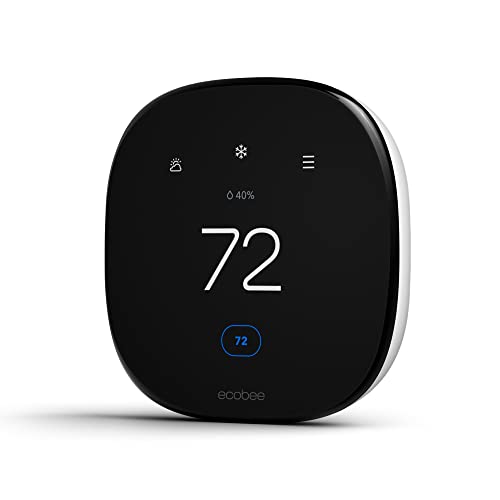
For most homeowners seeking the best balance of multi-stage control and smart features, we recommend the ecobee Smart Thermostat Enhanced. Its built-in occupancy sensing and comprehensive heat pump staging logic prevent unnecessary auxiliary heating spikes. The included power extender kit and broad ecosystem compatibility make it an outstanding central controller.
If you prefer straightforward push-button operation with dependable multi-stage compatibility, consider the Sensi Smart Thermostat, Wi-Fi, DIY, Alexa. It delivers essential scheduling and runtime reports while fitting existing wall footprints without extra patching. Homeowners interested in next-generation Matter support and Apple Home integration will appreciate the sleek design of the Aqara Smart Thermostat W200 with Apple Adaptive.
Investing in a properly configured smart controller ensures your ground-source heating system delivers optimal comfort throughout 2026. Review your system wiring, choose the controller that matches your equipment staging, and start enjoying lower utility costs. Check out our all reviews collection and Home & Living section for more home upgrade recommendations.
Frequently Asked Questions
Can any standard smart thermostat work with a geothermal heat pump?
Not every standard thermostat supports the multi-stage compressor and auxiliary heating terminals required by geothermal systems. Ground-source heat pumps often need dedicated Y1, Y2, W1, and AUX connections to operate efficiently. Always verify that the thermostat explicitly supports multi-stage heat pump configurations before installation.
Why is temperature setback different for geothermal heat pumps?
Geothermal heat pumps heat homes through steady, moderate water-to-air heat exchange rather than rapid high-temperature blasts. Large setbacks force the system into aggressive recovery modes that engage costly electric resistance strips. Maintaining a steady setpoint or using small setbacks of one to two degrees delivers optimal seasonal efficiency.
What is the top-rated option among Best Smart Thermostat for Geothermal in 2026?
The top-rated controller among Best Smart Thermostat for Geothermal in 2026 combines multi-stage heat pump staging with intelligent recovery algorithms. Devices like the ecobee series excel because they manage auxiliary heat lockouts effectively while providing remote room sensor data. Selecting a model with proven compressor staging safeguards both your comfort and your energy savings.
Do I need a C-wire to install a smart thermostat on a geothermal system?
A dedicated C-wire is highly recommended to supply continuous 24-volt power to your smart thermostat radios and screens. Power-stealing models without a common wire can cause contactor buzzing or relay damage on sensitive geothermal circuit boards. If your wiring harness lacks a common wire, install a reliable power extender kit at the air handler.
What is auxiliary heat lockout and why is it important?
Auxiliary heat lockout is a software setting that prevents supplemental electric heating elements from activating above a specific outdoor temperature. Because electric resistance heating consumes significant power, locking it out during mild weather forces the efficient geothermal compressor to carry the load. This setting is one of the most effective ways to lower winter heating expenses.
How do remote room sensors improve geothermal heating performance?
Remote sensors measure temperature and occupancy in frequently used rooms rather than relying solely on a hallway wall unit. The thermostat averages these readings to eliminate hot and cold spots across different living zones. This multi-point monitoring helps the geothermal system maintain balanced comfort throughout the entire house.
Can a smart thermostat help control indoor humidity with geothermal cooling?
Thermostats equipped with humidity terminals can signal your variable-speed geothermal blower to run at lower speeds during cooling cycles. Slower airflow allows the evaporator coil to pull more moisture out of the air without overcooling your living space. Managing humidity enhances indoor comfort and lets you keep summer temperature setpoints higher.
Will aggressive geofencing save money on a geothermal heating system?
Aggressive geofencing with deep temperature drops often increases energy bills on geothermal systems by triggering backup resistance heat upon return. Geofencing works best when limited to gentle setbacks of one to two degrees with extended recovery windows. For deeper guides on climate equipment management, explore our Heating, Cooling & Air resources.
What does staging mean for ground-source heat pump operation?
Staging refers to running the geothermal compressor at lower capacity during mild weather and ramping up to full capacity during extreme weather. Multi-stage operation matches heating and cooling output to real-time outdoor conditions for maximum efficiency. A compatible smart thermostat controls these stages automatically based on temperature differentials and runtime timers.
How does Matter support benefit smart thermostat installations?
Matter connectivity allows smart thermostats to communicate locally with multiple smart home hubs without relying on vendor cloud servers. This local protocol ensures faster response times, enhanced security, and continuous automation even if your internet service drops. Matter also simplifies cross-platform control across Apple Home, Google Home, and Alexa networks.








