

Preparing a homemade breakfast should feel rewarding rather than stressful. Traditional waffle irons require constant vigilance because leaving batter on high heat for an extra minute can ruin your meal and create burnt residue on the plates. Upgrading to a model equipped with integrated safety sensors eliminates this guesswork and prevents dangerous overheating in busy household kitchens.
For September 2026, we analyzed 7 standout models representing the Best Waffle Makers with Automatic Shut Off. Leading appliances from brands like Breville, KRUPS, Chefman and more now combine advanced thermal regulation, audible readiness alerts, and automated power cutoff mechanisms to deliver golden waffles reliably. If you enjoy creating practical kitchen setups, explore our curated Home & Living guides for additional countertop inspiration.
Many home cooks mistakenly assume that every electric griddle shuts down automatically once baking finishes. In reality, basic machines keep heating until someone pulls the power cord from the wall. This comprehensive guide breaks down the essential safety circuits, browning capabilities, and plate coatings so you can choose the ideal appliance for your family breakfast routine.


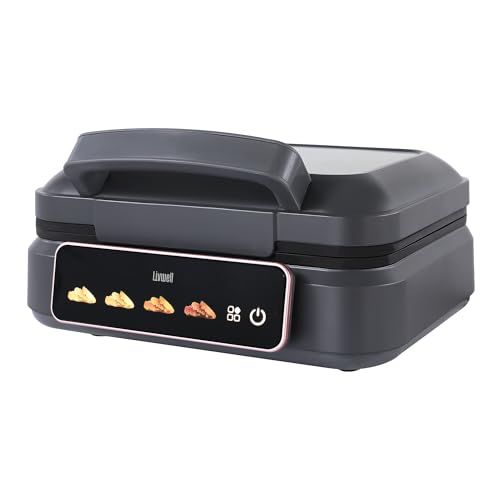


Selecting the right appliance involves balancing safety engineering, heating precision, and overall ease of maintenance. The sections below outline the core technical factors you should evaluate before making an investment for your kitchen.
Automatic Shut-Off Mechanisms and Overheat Protection
The primary advantage of an automatic shut off system is fire prevention and thermal stability. In entry-level appliances, heating coils remain energized indefinitely, which can degrade non-stick coatings and present serious hazard risks if forgotten. Premium units feature internal thermal fuses that cut electrical flow immediately whenever internal temperatures exceed safe operating thresholds.
When reviewing product specifications, distinguish between cycle-completion shut off and emergency overheat protection. A cycle-based timer automatically stops active heating once the selected browning duration elapses, shifting the device to a dormant state. Overheat protection acts as a secondary failsafe that prevents electronic component damage if the internal thermostat fails during continuous baking sessions.
As a practical rule of thumb, look for appliances certified by recognized safety bodies such as UL or ETL. Units with digital countdown controllers typically offer the most dependable automatic shut off integration. If your morning routine involves juggling multiple breakfast tasks simultaneously, prioritize irons that provide an audible shut down confirmation tone alongside their visual indicators.
Heating Power and Thermal Recovery Times
Waffle iron wattage directly influences how fast cooking plates reach target temperatures and recover between batches. When cold batter hits hot metal plates, the surface temperature drops rapidly and requires robust power to rebound. High-wattage heating elements ranging between 1200W and 1600W restore optimal baking temperatures swiftly, ensuring that the waffle exterior crisps before the interior dries out.
Lower-powered units under 900W often struggle with sluggish heat recovery, which can result in pale, rubbery waffles. Examining element density behind the cooking plates reveals whether heat spreads evenly across the entire surface. Die-cast aluminum plates paired with wrapped thermal coils deliver consistent results without cold spots near the plate edges.
If you regularly cook for a family, calculate your batch turnaround time before choosing a model. A 1600W appliance can bake four full slices in under four minutes with virtually zero preheat delay between pours. High-output heating systems save substantial time during weekend breakfasts while keeping energy consumption efficient through rapid cooking cycles. For broader household appliance assessments, browse our All Reviews hub.
Browning Control and Precision Shade Settings
Everyone has different preferences when it comes to waffle texture, ranging from soft and pale to deeply browned and crunchy. Basic waffle irons rely on rudimentary bi-metal switches that offer minimal control over internal plate temperature. Advanced machines provide dedicated browning dials with 5 to 7 distinct settings that adjust both temperature thresholds and cooking durations.
Smart darkness control systems calculate baking time dynamically based on the batter type you select. For instance, dense Belgian yeast dough requires a different thermal profile than light buttermilk or chocolate dessert batter. Units with preset programs automatically modify internal heat curves to prevent high-sugar recipes from charring on the plate surface.
When testing browning consistency, check whether the appliance includes a temporary extension button. Features like a dedicated extra-time function let you add 20 to 30 seconds of baking without restarting an entire cycle. This level of precision ensures you achieve the exact texture you desire without risking overcooked edges.
Non-Stick Plate Materials and Coating Durability
The quality of non-stick coating determines how easily waffles release from deep grid pockets. Traditional PTFE coatings provide smooth release properties but require careful temperature management to avoid premature wear. Modern ceramic coatings offer an alternative that is free from PFOA and PFAS chemicals while maintaining impressive non-stick performance under high heat.
Inspect the thickness of the metal substrate beneath the non-stick layer before purchasing. Heavy die-cast aluminum holds heat substantially better than thin stamped metal and resists warping over years of regular thermal expansion. A resilient coating applied over heavy-gauge plates prevents batter from clinging into sharp corners and simplifies post-cooking cleanup.
To preserve non-stick coatings, never use aerosol cooking sprays containing chemical propellants, as they leave an invisible sticky residue that degrades the finish. Instead, brush plates lightly with melted butter or neutral vegetable oil using a heat-resistant silicone pastry brush. Selecting quality non-stick surfaces guarantees smooth extraction and prolongs the lifespan of your appliance.
Deep Pocket Design and Overflow Protection Channels
Belgian waffles are famous for their deep square pockets that capture fruit toppings, whipped cream, and warm syrup. Achieving those thick pockets requires deeper grid patterns that hold substantially more batter than standard flat irons. However, pouring extra batter increases the risk of messy counter spills if the appliance lacks adequate perimeter containment.
Evaluate whether a waffle iron includes an integrated overflow moat around the perimeter of its cooking plates. A wide surround channel catches excess rising batter and cooks it directly on the plate edge rather than letting it drip onto kitchen counters. This thoughtful design feature dramatically reduces post-breakfast scrubbing and keeps your food preparation space clean.
A practical tip for calculating batter volume is to fill your grid pockets to roughly 80 percent capacity during initial use. Allow the expanding steam to push batter naturally toward the outer edges without forcing overflow. Choosing an appliance with built-in spill moats provides an extra buffer while you dial in exact measurements for custom recipes.
Rotating Flip Mechanism vs Stationary Grids
Waffle iron configurations generally fall into two distinct mechanical categories: 180-degree rotary designs and stationary clamshell units. Rotating waffle makers use gravity to distribute liquid batter evenly across both upper and lower grid plates immediately after closing. This flipping action creates uniform pocket depth, promotes consistent rising, and yields a crispy exterior on both sides.
Stationary clamshell models rely instead on engineered lid weight and precise steam release vents to distribute batter. While stationary irons require less vertical counter clearance, they demand balanced heating elements to prevent the top surface from undercooking. Premium stationary designs compensate for gravity by using top-plate heating elements that deliver equal thermal energy.
If your priority is authentic restaurant-style Belgian waffles with towering thickness, a rotating iron offers noticeable structural advantages. Conversely, if countertop space and vertical cabinet storage are limited, a compact stationary 4-slice iron provides higher cooking capacity within a smaller footprint. Weigh these spatial trade-offs against your preferred waffle thickness.
Audible Ready Alerts and Digital Display Feedback
Clear communication between the appliance and the cook prevents undercooked batter and eliminates unnecessary lid opening during baking. Basic indicator lamps can be hard to spot across a brightly lit kitchen or while preparing other dishes. Models with audible beepers alert you the moment preheating finishes and sound again when the baking cycle concludes.
Digital LCD screens offer clear visual countdown timers that display exact seconds remaining in the cooking process. This real-time feedback helps you time side dishes like bacon, eggs, and freshly brewed coffee with perfect synchronization. Some smart models even change the backlight color of the screen from blue to orange to indicate active heating status.
Avoid waffle irons that rely solely on a single faint light bulb with no sound support. Lifting the lid prematurely releases trapped steam, lowering the internal baking temperature and causing the delicate waffle structure to collapse. Investing in units with loud audible alerts ensures perfect results even during chaotic family mornings.
Removable Plates vs Integrated Fixed Plates
Cleaning convenience represents a major consideration when selecting any countertop cooking appliance. Removable plates release from the main chassis with a single click, allowing you to wash them in warm soapy water without risking electrical components. Fixed plates require manual wiping with damp microfiber cloths, which can take extra effort around tight hinges.
However, fixed plate designs often provide superior thermal conductivity because the heating coils sit directly bonded against the cast metal. Removable plates introduce a small air gap between the heating element and the plate bottom, which can slightly slow heat transfer. High-end fixed models compensate for this with superior non-stick quality that wipes clean in seconds.
Consider your personal kitchen cleanup habits before deciding between these two construction styles. If you frequently make dessert waffles with sticky inclusions like chocolate chips or caramel, removable dishwasher-safe plates offer great peace of mind. For traditional batter recipes, high-grade fixed plates with overflow moats provide faster heating with minimal cleaning effort.
Capacity and Storage Design Efficiency
Kitchen storage space is valuable, making appliance dimensions an important purchasing factor. Single-round waffle makers produce one 7-inch waffle per cycle, making them ideal for solo breakfasts or small apartments. Larger 4-slice square irons bake four generous portions at once, keeping the entire family eating together without waiting between batches.
Examine whether the machine features vertical standing locks and integrated cord wraps for compact cabinet organization. Models designed with locking handles can stand upright on their rear feet, reducing their storage footprint by over 60 percent. Sturdy stainless steel housing protects internal switches while looking attractive when stored on open shelves.
Check the overall weight of the appliance to ensure easy portability in your kitchen. Heavy-duty die-cast construction provides excellent stability during operation so the unit will not slide across smooth granite countertops. Choose a size that matches your typical household serving requirements while fitting your kitchen cabinets comfortably.
Feature Comparison of Leading Waffle Maker Configurations
The table below summarizes key structural differences between popular waffle iron configurations to help you identify the best format for your household needs.
| Design Type | Typical Power | Capacity | Best For | Storage Style |
|---|---|---|---|---|
| Rotating Flip Style | 1000W to 1200W | 1 Round Belgian | Crispy restaurant-style waffles | Vertical base or folding handle |
| Smart 4-Slice Square | 1200W to 1600W | 4 Square Slices | Family breakfasts with custom settings | Flat countertop or upright latch |
| Double Vertical/Side | 1400W to 1600W | 2 Thick Rounds | High-volume weekend brunch | Countertop footprint |
| Compact Touchscreen | 1000W to 1200W | 2 to 4 Slices | Modern kitchens and quick cleanup | Upright slim storage |
Why You Should Trust Us
Our review process relies on systematic data analysis, objective specification comparison, and verified consumer performance metrics. We evaluate electrical safety ratings, heating coil wattage distribution, thermal sensor accuracy, and non-stick coating longevity across top consumer kitchen brands. Our team studies product schematics and verified user experiences to identify real-world strengths and potential design shortcomings.
We do not accept paid manufacturer placements or sponsored rankings, ensuring that our recommendations remain strictly unbiased. Every product included in our comparison is assessed across standardized criteria including safety certifications, browning uniformity, overflow control, and durability. This rigorous methodology helps consumers invest with confidence in appliances that deliver lasting value.
Our appliance databases are continuously refreshed to reflect the latest product revisions, safety updates, and manufacturing enhancements. By monitoring user feedback over extended ownership periods, we verify whether non-stick surfaces and auto-cutoff switches hold up through years of regular use. You can depend on our transparent analysis to guide your kitchen purchasing decisions.
Final Thoughts
Investing in an automated breakfast appliance brings peace of mind and delicious consistency to your morning routine. For home chefs seeking professional-grade thermal management and precise batter programming, the Breville BWM604BSS Smart Waffle Maker, 4 Slice stands out as our top overall recommendation. Its intelligent Waffle IQ system automatically calculates ideal cooking durations while the wrap-around moat prevents counter messes entirely.
If you want exceptional restaurant-quality texture on a modest budget, the Chefman Rotating Belgian Waffle Maker delivers outstanding value. Its 180-degree rotating hinge ensures complete batter distribution across deep non-stick plates, producing airy interiors with crisp golden ridges. It packs away vertically in seconds, making it an ideal choice for compact kitchens and casual weekend cooks.
For large households needing rapid batch production and effortless cleanup, the KRUPS 4-Slice Belgian Waffle Maker provides the convenience of removable dishwasher-safe plates paired with clear audible alerts. If dual-sided high-power output is your goal, the Reemix 1600W Double Belgian Waffle Maker offers 1600W performance with versatile preset batter modes. Match your selection to your family size to enjoy hassle-free breakfast favorites every morning.
Explore our wide selection of home appliance guides in the Home & Living section to upgrade your kitchen tools. Choosing a waffle iron with reliable safety shut off transforms weekend cooking into an effortless pleasure for everyone involved.
Frequently Asked Questions
How does an automatic shut off function work on a waffle maker?
An automatic shut off system utilizes internal thermostats and electronic timing circuits to regulate power delivery. When the preset cooking time finishes or internal sensors detect abnormal overheating, the switch cuts electrical current to the heating coils. This mechanism prevents waffle burning, minimizes fire risk, and protects the non-stick coating from extreme thermal stress.
What makes Best Waffle Makers with Automatic Shut Off safer than basic irons?
Basic waffle irons continue to heat indefinitely as long as they stay plugged into the wall, which creates severe burn and fire hazards. Models featured among the Best Waffle Makers with Automatic Shut Off incorporate redundant safety fuses and thermal cutoff switches. These protective features ensure the device powers down safely even if you leave the kitchen during a busy morning.
Do waffle makers with automatic shut off stop cooking completely?
Most advanced models cut active power to the heating elements when the cycle ends, but the cast metal plates will retain residual heat for several minutes. To prevent waffles from drying out, you should remove them promptly once the audible completion alert sounds. Some intelligent models switch to a gentle keep-warm mode instead of shutting down entirely.
Can I use cooking spray on non-stick waffle plates?
You should avoid using aerosol cooking sprays on non-stick waffle iron plates because chemical propellants create an invisible sticky film that degrades the non-stick surface over time. Instead, apply a light coating of melted butter or vegetable oil using a silicone pastry brush before pouring batter. This method ensures clean release while preserving the integrity of the coating.
Why are rotating waffle makers popular for Belgian waffles?
Rotating waffle makers utilize gravity to spread liquid batter evenly across both upper and lower heating plates right after closing the lid. This immediate distribution fills deep grid pockets completely, allowing the waffle to rise evenly and develop a light, fluffy interior with a uniformly crispy exterior crust on both sides.
How do I know when my waffle maker is ready for batter?
Modern waffle makers include ready indicator lights and audible beepers that signal when the cooking plates reach your chosen operating temperature. Pouring batter onto underheated plates leads to soggy textures and sticking issues, so always wait for the confirmation beep or green light before adding batter.
Are removable waffle plates better than fixed plates?
Removable plates offer superior cleaning convenience because you can detach them easily and wash them in the sink or dishwasher. Fixed plates provide slightly faster and more uniform heat transfer because the heating element connects directly to the metal grid. Both styles perform well when paired with high-quality non-stick surfaces.
How do I clean a waffle maker with fixed plates safely?
Unplug the appliance and allow it to cool until the plates are slightly warm to the touch before starting the cleaning process. Wipe away loose crumbs with a soft dry brush, then use a damp microfiber cloth with mild dish soap to clean the grid pockets. Never submerge an appliance with fixed plates in water or use abrasive scrubbing pads.
What wattage should I look for in a family-sized waffle maker?
For family-sized four-slice waffle irons, look for a power rating between 1200W and 1600W to ensure rapid heating and quick temperature recovery between batches. Higher wattage maintains consistent plate heat when cold batter is poured, producing evenly browned waffles without long preheating delays between rounds.
Can I make other foods in a Belgian waffle maker?
Belgian waffle makers are versatile appliances capable of cooking shredded hash browns, cinnamon rolls, cornbread, and chocolate brownie batter. Dense doughs and shredded potato mixtures crisp up delightfully in the deep grid pockets. For more versatile cooking ideas across household appliances, check out our comprehensive All Reviews section.








