

Maintaining a lush green lawn requires an understanding of water pressure dynamics rather than simply opening the outdoor spigot all the way. Residential irrigation systems frequently suffer from uneven coverage and water waste because spray heads operate outside their designed pressure specifications.
Identifying the Best Water Pressure for Sprinklers in September 2026 allows homeowners to achieve uniform precipitation across flower beds and turf without driving up utility bills. We evaluated 7 top options from leading brands like Rain Bird, Eden, AIPER to help you dial in exact zone metrics for your yard.
Upgrading your outdoor hardware can turn weak dribbles or aerosolized fog into heavy, uniform droplets that soak directly into root systems. You can also explore our Home & Living section to discover more practical ideas for your property.



Finding the ideal pressure threshold depends heavily on your specific irrigation gear, landscape layout, and municipal main line delivery. Selecting the proper components guarantees that your watering system operates efficiently without damaging delicate internal mechanisms.
| Sprinkler / System Type | Optimal Operating PSI | Typical Flow Range (GPM) | Primary Risk of Incorrect Pressure |
|---|---|---|---|
| Fixed Pop-Up Spray Heads | 30 PSI | 0.5 – 4.0 GPM | Severe misting and wind drift above 40 PSI |
| Rotary Stream Sprinklers | 40 – 50 PSI | 1.5 – 8.0 GPM | Stalled rotation or uneven throw arcs |
| Oscillating Lawn Sprinklers | 30 – 50 PSI | 2.0 – 6.0 GPM | Narrow sweep patterns under low line pressure |
| Smart Autonomous Systems | 35 – 60 PSI | 3.0 – 10.0 GPM | Inaccurate sensor-guided trajectory mapping |
| Micro Drip Irrigation Lines | 15 – 25 PSI | 0.1 – 2.0 GPM | Blown-out emitter caps above 30 PSI |
1. Static Versus Dynamic Working Pressure
Static pressure measures the closed hydraulic force inside your plumbing lines when no water flows through any fixture. Dynamic working pressure measures the actual force remaining while water actively discharges through your open sprinkler nozzles.
Homeowners often make the mistake of measuring pressure solely at an idle outdoor spigot before choosing high-demand equipment. Friction loss through interior pipes and valves can drop an 80 PSI static reading down to an insufficient 25 PSI working level.
Always gauge dynamic pressure by attaching a test gauge with a tee fitting while your irrigation zone runs at full output. This reading reveals true operating conditions and tells you whether your system needs booster equipment or pressure reduction valves.
2. Sprinkler Head Design and PSI Thresholds
Different irrigation heads require distinct operational pressures to produce their intended spray patterns and droplet sizes. Fixed pop-up spray nozzles perform best at exactly 30 PSI, creating consistent droplets that resist wind drift.
Gear-driven rotary sprinklers require higher pressures between 40 and 50 PSI to turn their internal drive mechanisms reliably. Running rotors below their minimum rating results in a sluggish rotation speed and puddles near the head base.
Oscillating units thrive across a moderate 30 to 50 PSI range, utilizing incoming velocity to power internal camshaft gears. Matching your hardware to nozzle specifications prevents localized dry spots and doughnut-shaped dry rings across your turf.
3. Flow Rate Capacity and Gallons Per Minute
Water pressure and volume flow rate work together to determine how many sprinkler heads can run simultaneously on one zone circuit. Pressure represents the pushing force of the water, whereas flow rate measures the physical volume delivered in gallons per minute.
You can calculate your available volume by timing how quickly an outdoor spigot fills a standard five-gallon bucket. Dividing 300 by the seconds required to fill the container yields your home baseline delivery rate in gallons per minute.
Compare this figure against the combined flow requirements of all sprinkler heads planned for that single zone circuit. If the total nozzle demand exceeds your available flow rate, water pressure drops sharply across the entire zone.
4. In-Line Pressure Regulators and PRS Stems
Municipal supply lines frequently deliver water at pressures exceeding 70 to 90 PSI, which overwhelms standard residential nozzles. Excess pressure destroys spray patterns by atomizing water into fine airborne vapor that evaporates before touching grass blades.
Pressure-regulated stems like those on specialized pop-up bodies mechanically cap internal water force at a constant 30 PSI. This integrated regulation prevents pressure spikes from distorting spray geometry even when elevation shifts along the irrigation line.
Installing regulated bodies or dedicated inline valves can save up to fifty percent of water consumption during breezy periods. For drip connections, dedicated hose-end regulators safely drop incoming force down to 25 PSI to protect delicate tubing.
5. Supply Pipe Sizing and Friction Resistance
Water experiences physical resistance as it travels along the interior walls of underground PVC, poly, or copper supply lines. Smaller pipe diameters create severe friction loss that starves distant sprinkler heads of necessary operating force.
A three-quarter-inch delivery pipe carries significantly more water volume with less pressure drop than a standard half-inch supply line. As water velocity exceeds five feet per second, friction losses increase dramatically across long residential runs.
Plan pipe layouts with minimal sharp ninety-degree elbows to preserve maximum kinetic energy from the municipal meter to each sprinkler. Check out our All Reviews hub to browse more home efficiency and lawn equipment guides.
6. Smart Irrigation and Autonomous Pressure Modulation
Modern autonomous lawn watering units use advanced software algorithms to distribute water across custom yard zones and distinct plant profiles. These smart multi-zone units require consistent supply pressure to accurately project streams according to mapped digital boundaries.
If incoming water pressure fluctuates unpredictably, smart trajectory motors cannot maintain precise spray targets near garden edges and patios. Consistent line pressure ensures that intelligent weather-adaptive cycles deliver uniform precipitation depth across mapped sectors.
Pairing smart controllers with reliable hose lines guarantees that specialized spray motors operate at peak electronic and hydraulic efficiency. This integration eliminates overspray onto hardscapes while protecting delicate perennial flower beds from harsh high-pressure streams.
7. Misting, Fogging, and High-Pressure Damage
When water pressure exceeds manufacturer specifications, spray heads produce an extremely fine cloud of microscopic water droplets. This misting phenomenon causes up to forty percent of dispensed water to drift away on gentle ambient breezes.
Excessive operating pressure also accelerates mechanical wear on internal wiper seals, ratchet rings, and spray nozzle orifices. Over time, high hydraulic stress causes sprinkler bodies to crack, leak around the cap, or fail to retract.
If you observe a hovering white mist above your lawn while watering, your system is operating at excessive line pressure. Adding pressure-reducing regulators instantly restores proper droplet size, improving soil penetration and lowering monthly utility bills.
8. Diagnosing Low Pressure and Pressure Boosting
Low water pressure is characterized by limp spray streams that fail to overlap properly, leaving dead rings between heads. Common culprits include undersized main pipes, mineral scale accumulation, partially closed gate valves, or simultaneous indoor plumbing usage.
You can resolve low pressure by subdividing overloaded irrigation zones into two smaller, independently valved circuits. Splitting a single eight-head zone into dual four-head circuits immediately doubles the dynamic pressure delivered to each remaining nozzle.
In properties with persistently inadequate municipal supply, installing an auxiliary booster pump can restore necessary hydraulic force. Alternatively, switching to low-pressure rotary nozzles allows effective coverage even when dynamic pressure hovers below thirty-five PSI.
9. Elevation Variations and Slope Dynamics
Gravity exerts a continuous physical force on water moving through outdoor plumbing lines across sloped terrain. Water pressure increases by approximately 0.433 PSI for every vertical foot of drop down a sloping residential yard.
Conversely, pushing water uphill causes an identical loss of 0.433 PSI per vertical foot of elevation rise. Sprinklers placed at the top of an incline receive substantially less pressure than heads installed at the bottom.
Install check valves and pressure-compensating stems on slope-bottom heads to prevent gravity drainage and unequal delivery. Balancing pressure variations caused by elevation changes prevents low-lying turf from becoming oversaturated and swampy.
10. Filtration and Backflow Prevention Pressure Drops
Backflow preventers and inline sediment filters are critical safety components that protect potable drinking water from landscape contamination. However, every mechanical valve, screen, and directional check assembly creates measurable resistance against incoming water flow.
Reduced pressure zone backflow devices can cause an immediate drop of eight to twelve PSI across the assembly. Sediment filters with dense stainless steel mesh screens can also restrict flow if mineral deposits accumulate over time.
Factor backflow and filtration head loss into your initial system calculations before selecting sprinkler head nozzle sizes. Inspecting and cleaning mesh filter washers periodically prevents unnecessary pressure drops from choking your sprinkler circuits.
Why You Should Trust Us
Our evaluation process relies on objective engineering standards, manufacturer performance charts, and hydraulic specifications gathered across leading irrigation brands. We analyze dynamic pressure requirements, gallons-per-minute consumption rates, and structural durability without commercial bias.
We continuously track product updates, WaterSense efficiency ratings, and real-world performance metrics across both traditional pop-up systems and modern smart controllers. This methodical analysis ensures our recommendations reflect dependable hardware built to withstand seasonal weather extremes.
By cross-referencing flow dynamics with practical residential plumbing layouts, we help homeowners avoid costly trial-and-error mistakes. Our goal is to provide clear, actionable guidance that maximizes lawn health while conserving valuable water resources.
Final Thoughts
Balancing hydraulic pressure is the single most impactful adjustment you can make to improve lawn health and reduce water bills. Operating within the optimal 30 to 50 PSI window protects mechanical components while eliminating wasteful misting and dry patches.
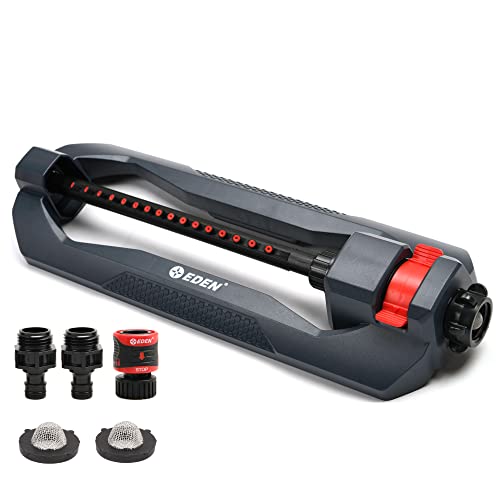
For underground in-ground installations, we recommend the Rain Bird 1804APPRS Pressure Regulated 4 Inch Pop as the best overall choice due to its integrated 30 PSI regulation. If you need portable surface coverage for rectangular turf, the Eden 96213 Weighted Essential Oscillating provides dependable value with its smooth turbo-drive motor and weighted stability.
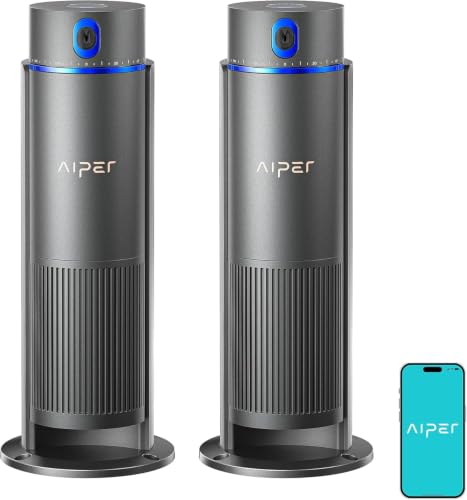
Homeowners seeking automated mapping and plant-specific scheduling across expansive lawns will appreciate the Aiper IrriSense 2 Smart Sprinklers for Yard for its intelligent multi-zone distribution. If your landscape incorporates low-volume garden beds, installing the Rain Bird HT07525PSI Drip Pressure Regulator, 3/4″ prevents blown emitters by keeping pressure at a safe 25 PSI.
Taking the time to measure your dynamic flow rate and match nozzle types will save thousands of gallons of water every season. For more home infrastructure guides and practical maintenance advice, explore our Heating, Cooling & Air section.
FAQs
What is the ideal water pressure for residential lawn sprinklers?
Most standard residential spray sprinklers operate best between 30 and 40 PSI, while rotary sprinklers generally require 40 to 50 PSI. Drip irrigation lines need a lower pressure around 15 to 25 PSI to avoid dislodging emitter caps.
What is the top-rated option among Best Water Pressure for Sprinklers in 2026?
Pressure-regulated pop-up bodies like the 1800 series from Rain Bird stand out for in-ground systems because they lock working pressure at exactly 30 PSI. For smart above-ground management, multi-zone automated controllers offer superior precipitation control across varied yard layouts.
What happens if water pressure is too high for my sprinklers?
Excessive pressure causes water to shatter into fine mist that drifts away in the wind rather than soaking into soil. It also places excessive mechanical stress on internal seals, gears, and nozzle threads, leading to premature leaks and blowouts.
How can I measure my home dynamic water pressure?
Attach a standard water pressure gauge fitted with a tee-valve to an outdoor hose bib while other sprinklers run on that same line. Reading the gauge while water actively discharges provides your true dynamic working pressure rather than static line force.
Why are my sprinkler heads barely popping up?
Sprinkler heads fail to rise when dynamic line pressure drops below the force needed to overcome the internal stainless steel retraction spring. This usually indicates an overloaded zone, a cracked underground pipe leak, or a clogged inlet filter screen.
Can I run multiple sprinklers on a single outdoor hose faucet?
You can operate multiple units simultaneously only if their combined flow rate does not exceed the gallons-per-minute capacity of your spigot. Running too many heads concurrently divides available volume and drastically lowers the dynamic pressure at each nozzle.
How does pipe diameter affect sprinkler water pressure?
Narrow pipes create higher friction resistance, which robs water of its dynamic pushing force over extended distances. Upgrading main feeder lines from half-inch to three-quarter-inch tubing dramatically reduces pressure loss across long sprinkler runs.
What is the difference between static and working water pressure?
Static pressure represents the closed hydraulic force inside your pipes when all valves and faucets remain completely shut. Working or dynamic pressure is the operational force remaining once water begins flowing freely through open sprinkler nozzles.
Do oscillating sprinklers need high water pressure to work?
Oscillating units function effectively between 30 and 50 PSI to power their internal water-driven turbine motors. If pressure drops below 25 PSI, the sprinkler may stall at the end of its sweep and create localized puddling.
How do pressure regulators save water in irrigation systems?
Regulators prevent water from atomizing into airborne fog by maintaining optimal droplet size across fluctuating supply conditions. Keeping pressure at specified levels ensures water lands directly on the turf canopy, reducing overall consumption by up to forty percent.








